 Back to Inflammation diet checker
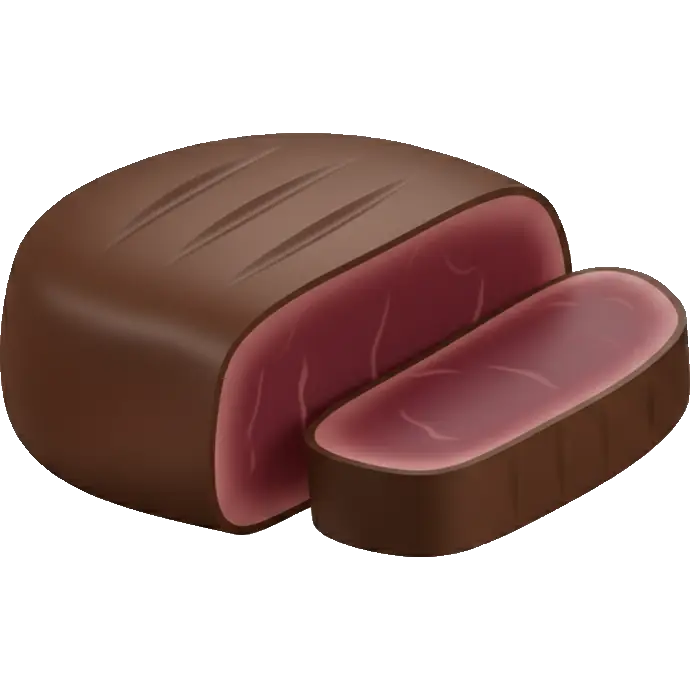
kangaroo
Meat
Is kangaroo inflammation-compatible?

See whether kangaroo fits an inflammation diet, with a clear compatible-or-avoid verdict plus its FODMAP, histamine and other trigger ratings in one place.

Related checkers
Compare kangaroo across criteria

Sensitivity notes
Why inflammation diet checker matters
An anti-inflammatory diet focuses on foods that help reduce chronic inflammation in the body. It emphasizes fruits, vegetables, fatty fish, nuts, and whole grains while limiting processed foods, refined sugars, and certain oils.
- Focus on omega-3 rich foods like fatty fish, walnuts, and flaxseed
- Colorful fruits and vegetables provide anti-inflammatory antioxidants
- Extra virgin olive oil is a cornerstone of anti-inflammatory eating
- Limit refined sugars, processed foods, and industrial seed oils
- Turmeric and ginger are powerful anti-inflammatory spices

Sensitivities
What kangaroo contains
FODMAPs







Histamine & Amines



Plant compounds




Irritants




Additives



Allergens
















Diet fit
Where kangaroo fits
Therapeutic diets










Lifestyle diets









Religious diets






What to know about kangaroo
Kangaroo has the cleanest chart of any red meat in this database. Every food-chemistry column returns A: histamine, histamine liberation, tyramine, free glutamate, salicylate, oxalate, nickel, sulfite, nitrite, gluten, lactose, nightshade and all four FODMAP groups, and unlike beef, lamb or bison it does not even pick up a poor inflammation mark, because a wild kangaroo carcass carries around two percent fat. If you need a red meat that will not muddy an elimination trial, this is the strongest candidate on the list. Its two real caveats are both about handling rather than chemistry: kangaroo is the meat Australian food safety advice is most insistent about cooking through, and being a mammal it is not the alpha-gal escape route its exotic reputation suggests.
Watch for
- Cook it through, especially mince and sausages.Macropods are unusually susceptible to Toxoplasma gondii and kangaroo is singled out in Australian food safety guidance for thorough cooking, which matters most in pregnancy and for anyone immunosuppressed. The habit of serving roo fillet blue is where the risk sits.
- Alpha-gal syndrome is species-wide across mammals, and a kangaroo is a mammal.It is normally kept on the avoid list rather than treated as a marsupial exception. If you need a genuinely non-mammalian meat with red meat texture, ostrich or emu is the reliable route.
- Because it is so lean it is almost never cooked plain.Soy, teriyaki, Worcestershire sauce and garlic marinades are the standard treatment, and those bring the glutamate, amine and fructan load that the meat itself does not have.
- Kangaroo is wild harvested and field dressed, so time and temperature between the shot and the chiller are the only variables that move its histamine.Buy it dated, freeze what you are not cooking, and treat leftovers the way you would any other mince.
- It is often reached for as a novel protein, a meat the immune system has never met.That is genuinely useful in a structured exclusion diet, but novel is not the same as hypoallergenic, and kangaroo meat allergy does exist.




Explore related in Meat
Compare similar foods to build a personalized list of swaps that work for your system.

Inflammation Guide
Everything you need to know about inflammation compatibility and smart food choices.
An anti-inflammatory diet focuses on foods that help reduce chronic inflammation in the body. It emphasizes fruits, vegetables, fatty fish, nuts, and whole grains while limiting processed foods, refined sugars, and certain oils.
These foods are typically compatible with a Inflammation approach:
View all safe options





Practical guidance for following a Inflammation diet:
- 1Focus on omega-3 rich foods like fatty fish, walnuts, and flaxseed
- 2Colorful fruits and vegetables provide anti-inflammatory antioxidants
- 3Extra virgin olive oil is a cornerstone of anti-inflammatory eating
- 4Limit refined sugars, processed foods, and industrial seed oils
- 5Turmeric and ginger are powerful anti-inflammatory spices
Pro tip: Keep a food diary to track your reactions. The Triggerbites app makes this easy with automatic pattern detection.
Want personalized tracking?
Download Triggerbites to log meals, track symptoms, and discover your unique triggers.
Get the AppFAQ
Does kangaroo fit an inflammation diet?
Inflammation: mixed fit - check ingredients.
What if I eat it occasionally?
Keep portions small and verify ingredients.
What are safer swaps?
More swaps coming soon.