 Back to Inflammation diet checker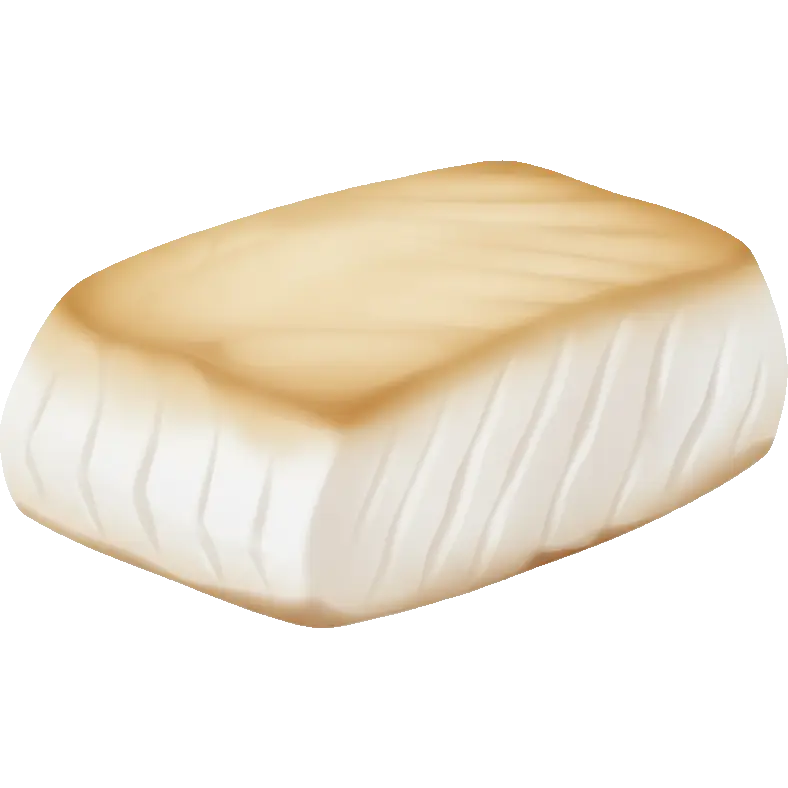
halibut
Seafood
Is halibut inflammation-compatible?
See whether halibut fits an inflammation diet, with a clear compatible-or-avoid verdict plus its FODMAP, histamine and other trigger ratings in one place.

Related checkers
Compare halibut across criteria

Sensitivity notes
Why inflammation diet checker matters
An anti-inflammatory diet focuses on foods that help reduce chronic inflammation in the body. It emphasizes fruits, vegetables, fatty fish, nuts, and whole grains while limiting processed foods, refined sugars, and certain oils.
- Focus on omega-3 rich foods like fatty fish, walnuts, and flaxseed
- Colorful fruits and vegetables provide anti-inflammatory antioxidants
- Extra virgin olive oil is a cornerstone of anti-inflammatory eating
- Limit refined sugars, processed foods, and industrial seed oils
- Turmeric and ginger are powerful anti-inflammatory spices

Sensitivities
What halibut contains
FODMAPs







Histamine & Amines



Plant compounds




Irritants




Additives



Allergens
















Diet fit
Where halibut fits
Therapeutic diets










Lifestyle diets









Religious diets






What to know about halibut
Halibut grades clean across the food chemistry columns that matter most in a trigger journal: every FODMAP group, gluten, lactose, dairy protein, salicylates, oxalates, nickel, sulfites, nitrites, glutamates, lectins and nightshades, with histamine and tyramine at borderline. What makes halibut different from the other white fish on this chart is size and age. It is the largest of the flatfish and it can live for decades, so it accumulates mercury at a level that puts it a tier above cod, haddock and pollock in official fish advice. The other thing worth knowing is that most quality halibut is frozen on the boat, which makes the frozen block a better buy than a fillet labelled fresh out of season.
Watch for
- Mercury is the real halibut caveat, and it comes from biology rather than handling.A long lived predatory flatfish concentrates more methylmercury than a small, short lived one, which is why the FDA and EPA place halibut in their middle tier at roughly one serving a week while haddock, pollock and tilapia sit in the lowest tier. This matters most in pregnancy, while breastfeeding and for young children.
- Frozen at sea beats fresh here.The Pacific halibut fishery runs on a defined season, so a fillet sold as fresh outside it is thawed previously frozen fish whose clock you cannot see. Halibut that was headed, gutted and blast frozen on deck has a documented history, and that is the version with the lowest histamine risk.
- Halibut is exceptionally lean, so it is nearly always rescued with fat.Butter, cream sauce and white wine reductions are standard, and wine grades high on both histamine and salicylates while cream brings lactose and dairy protein. The sauce usually outranks the fish as a trigger, so log them separately.
- Borderline on histamine and tyramine.Halibut is not a scombroid species and has none of the histidine heavy dark muscle that drives histamine fish poisoning, so this grade tracks age and temperature. Thawed fish that then sits for two days in the fridge is where it climbs.
- The name is loose at the counter.Atlantic and Pacific halibut are different species with different fisheries, and cheaper flatfish such as arrowtooth flounder or Greenland turbot are sometimes sold under halibut style names. Noting which one you ate helps explain inconsistent results.



Explore related in Seafood
Compare similar foods to build a personalized list of swaps that work for your system.


Inflammation Guide
Everything you need to know about inflammation compatibility and smart food choices.
An anti-inflammatory diet focuses on foods that help reduce chronic inflammation in the body. It emphasizes fruits, vegetables, fatty fish, nuts, and whole grains while limiting processed foods, refined sugars, and certain oils.
These foods are typically compatible with a Inflammation approach:
View all safe options






Practical guidance for following a Inflammation diet:
- 1Focus on omega-3 rich foods like fatty fish, walnuts, and flaxseed
- 2Colorful fruits and vegetables provide anti-inflammatory antioxidants
- 3Extra virgin olive oil is a cornerstone of anti-inflammatory eating
- 4Limit refined sugars, processed foods, and industrial seed oils
- 5Turmeric and ginger are powerful anti-inflammatory spices
Pro tip: Keep a food diary to track your reactions. The Triggerbites app makes this easy with automatic pattern detection.
Want personalized tracking?
Download Triggerbites to log meals, track symptoms, and discover your unique triggers.
Get the AppFAQ
Does halibut fit an inflammation diet?
Inflammation: fits well for most plans.
What if I eat it occasionally?
Still check preparation and add-ins.
What are safer swaps?
More swaps coming soon.