
casein protein
Dairy & Alternatives
Is casein protein inflammation-compatible?
See whether casein protein fits an inflammation diet, with a clear compatible-or-avoid verdict plus its FODMAP, histamine and other trigger ratings in one place.
Related checkers
Compare casein protein across criteria
Sensitivity notes
Why inflammation diet checker matters
An anti-inflammatory diet focuses on foods that help reduce chronic inflammation in the body. It emphasizes fruits, vegetables, fatty fish, nuts, and whole grains while limiting processed foods, refined sugars, and certain oils.
- Focus on omega-3 rich foods like fatty fish, walnuts, and flaxseed
- Colorful fruits and vegetables provide anti-inflammatory antioxidants
- Extra virgin olive oil is a cornerstone of anti-inflammatory eating
- Limit refined sugars, processed foods, and industrial seed oils
- Turmeric and ginger are powerful anti-inflammatory spices
Sensitivities
What casein protein contains
FODMAPs
Histamine & Amines
Plant compounds
Irritants
Additives
Allergens
Diet fit
Where casein protein fits
Therapeutic diets
Lifestyle diets
Religious diets
What to know about casein protein
Casein protein is the slow-digesting fraction of milk, sold as a night-time protein powder because it gels in the stomach and releases amino acids over hours. It is graded high on dairy protein, and that is the point most labels obscure: casein is one of the two proteins (with whey) responsible for cow's milk protein allergy, so a tub marked lactose free or low lactose is still made of the exact molecule a milk allergy reacts to. Residual lactose is graded moderate, low enough that many lactose intolerant people tolerate it and high enough that some do not. On everything else it is clean: no gluten, no FODMAPs, no histamine, no oxalate, no nickel, no caffeine.
Watch for
- Graded high on dairy protein.Lactose free casein is not milk allergy safe, because the allergy is to the protein and casein is the protein
- Moderate residual lactose.Micellar casein and caseinate powders are filtered, not lactose free, so a large night-time serve can still bloat a lactose intolerant gut
- Casein is the milk protein most likely to survive heat and processing, so cooked-in casein in a bar or ready-to-drink shake stays reactive
- Read the tub, not the front label.Blends marketed as slow-release routinely mix casein with whey, and milk protein concentrate and sodium or calcium caseinate are all casein under another name
- Clean on the food chemistry side: no gluten, FODMAPs, histamine, oxalate, nickel or caffeine, so a reaction to it points squarely at the dairy
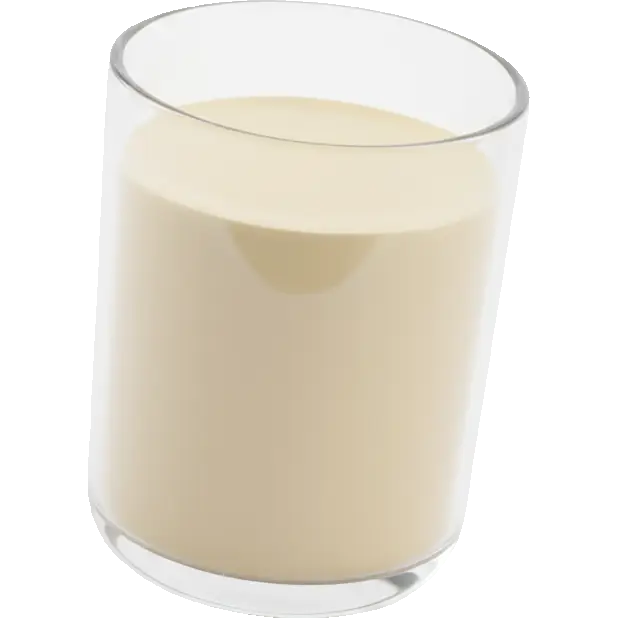
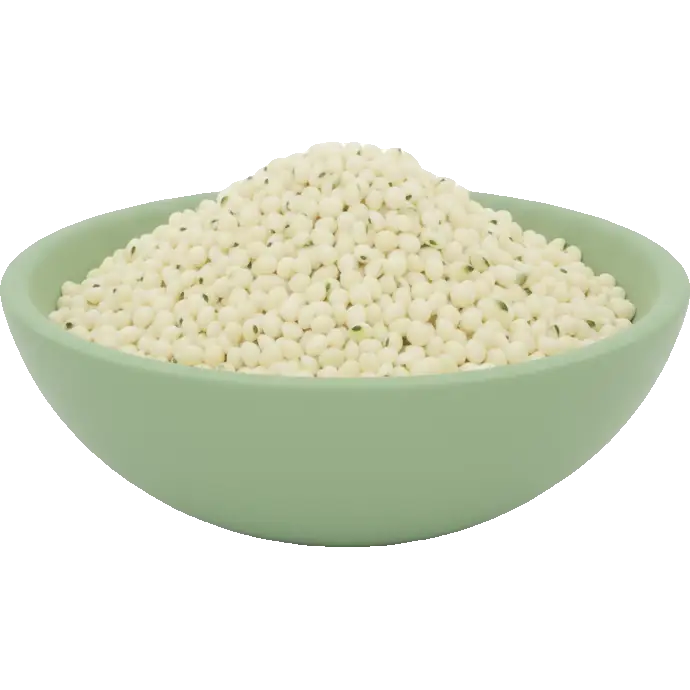



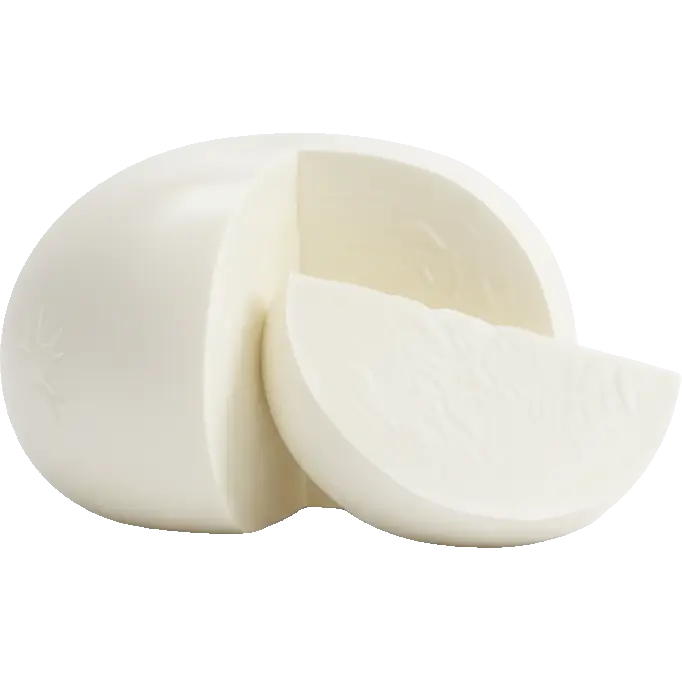


Explore related in Dairy & Alternatives
Compare similar foods to build a personalized list of swaps that work for your system.

Inflammation Guide
Everything you need to know about inflammation compatibility and smart food choices.
An anti-inflammatory diet focuses on foods that help reduce chronic inflammation in the body. It emphasizes fruits, vegetables, fatty fish, nuts, and whole grains while limiting processed foods, refined sugars, and certain oils.
These foods are typically compatible with a Inflammation approach:
View all safe options





Practical guidance for following a Inflammation diet:
- 1Focus on omega-3 rich foods like fatty fish, walnuts, and flaxseed
- 2Colorful fruits and vegetables provide anti-inflammatory antioxidants
- 3Extra virgin olive oil is a cornerstone of anti-inflammatory eating
- 4Limit refined sugars, processed foods, and industrial seed oils
- 5Turmeric and ginger are powerful anti-inflammatory spices
Pro tip: Keep a food diary to track your reactions. The Triggerbites app makes this easy with automatic pattern detection.
Want personalized tracking?
Download Triggerbites to log meals, track symptoms, and discover your unique triggers.
Get the AppFAQ
Does casein protein fit an inflammation diet?
Inflammation: fits well for most plans.
What if I eat it occasionally?
Still check preparation and add-ins.
What are safer swaps?
Compare within the Dairy & Alternatives group.