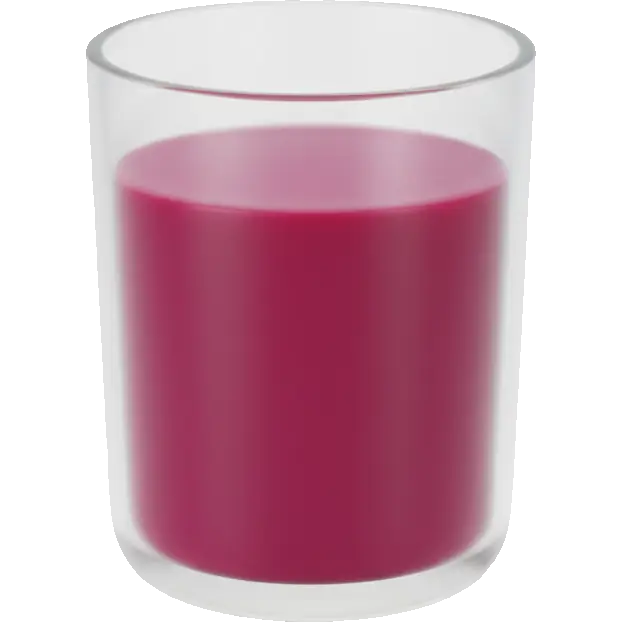
beet juice
Beverages
Is beet juice inflammation-compatible?
See whether beet juice fits an inflammation diet, with a clear compatible-or-avoid verdict plus its FODMAP, histamine and other trigger ratings in one place.
Related checkers
Compare beet juice across criteria
Sensitivity notes
Why inflammation diet checker matters
An anti-inflammatory diet focuses on foods that help reduce chronic inflammation in the body. It emphasizes fruits, vegetables, fatty fish, nuts, and whole grains while limiting processed foods, refined sugars, and certain oils.
- Focus on omega-3 rich foods like fatty fish, walnuts, and flaxseed
- Colorful fruits and vegetables provide anti-inflammatory antioxidants
- Extra virgin olive oil is a cornerstone of anti-inflammatory eating
- Limit refined sugars, processed foods, and industrial seed oils
- Turmeric and ginger are powerful anti-inflammatory spices
Sensitivities
What beet juice contains
FODMAPs
Histamine & Amines
Plant compounds
Irritants
Additives
Allergens
Diet fit
Where beet juice fits
Therapeutic diets
Lifestyle diets
Religious diets
What to know about beet juice
Beet juice is graded high FODMAP with borderline fructans and sorbitol, and clean on everything else: no histamine, no salicylate, no nickel, no free glutamate, no gluten and no sulfites. It is a rare case where you can see the effect of processing directly in the data, because whole beetroot grades a step lower on FODMAPs than the juice does. Pressing takes out the fibre but leaves the fructans and sugars behind, and a glass takes several roots. The other two things people search for are the nitrate to nitric oxide pathway that made beet juice a sports supplement, and beeturia, the alarming but harmless red urine.
Watch for
- Graded high FODMAP, a step above whole beetroot in our own data.Juicing removes the fibre but not the fructans or the sugar, and it takes several roots to fill a glass, so a juice delivers a load you would never eat in one sitting
- Fructans and sorbitol both sit at borderline, which is why a small shot is often tolerated while a full glass is not.Dose is the variable to test, not presence
- One of the richest dietary nitrate sources there is.Bacteria on the tongue reduce that nitrate to nitrite, the body converts it onward to nitric oxide, and that is the mechanism behind the blood pressure and endurance claims. An antibacterial mouthwash largely cancels the effect, and if you already take blood pressure or nitrate based heart medication the added drop is worth raising with your prescriber
- Beeturia is the pink or red urine and sometimes stool that follows beet juice in roughly one person in ten.It is betalain pigment passing through, not bleeding, and it is more common in people who are low in iron or short on stomach acid
- Our data grades beet juice clean on oxalate while whole beet grades high, a genuine divergence in the source data.If you form calcium oxalate stones, treat a concentrated daily juice as something to log carefully rather than assume is free




Explore related in Beverages
Compare similar foods to build a personalized list of swaps that work for your system.



Inflammation Guide
Everything you need to know about inflammation compatibility and smart food choices.
An anti-inflammatory diet focuses on foods that help reduce chronic inflammation in the body. It emphasizes fruits, vegetables, fatty fish, nuts, and whole grains while limiting processed foods, refined sugars, and certain oils.
These foods are typically compatible with a Inflammation approach:
View all safe options





Practical guidance for following a Inflammation diet:
- 1Focus on omega-3 rich foods like fatty fish, walnuts, and flaxseed
- 2Colorful fruits and vegetables provide anti-inflammatory antioxidants
- 3Extra virgin olive oil is a cornerstone of anti-inflammatory eating
- 4Limit refined sugars, processed foods, and industrial seed oils
- 5Turmeric and ginger are powerful anti-inflammatory spices
Pro tip: Keep a food diary to track your reactions. The Triggerbites app makes this easy with automatic pattern detection.
Want personalized tracking?
Download Triggerbites to log meals, track symptoms, and discover your unique triggers.
Get the AppFAQ
Does beet juice fit an inflammation diet?
Inflammation: fits well for most plans.
What if I eat it occasionally?
Still check preparation and add-ins.
What are safer swaps?
Compare within the Beverages group.