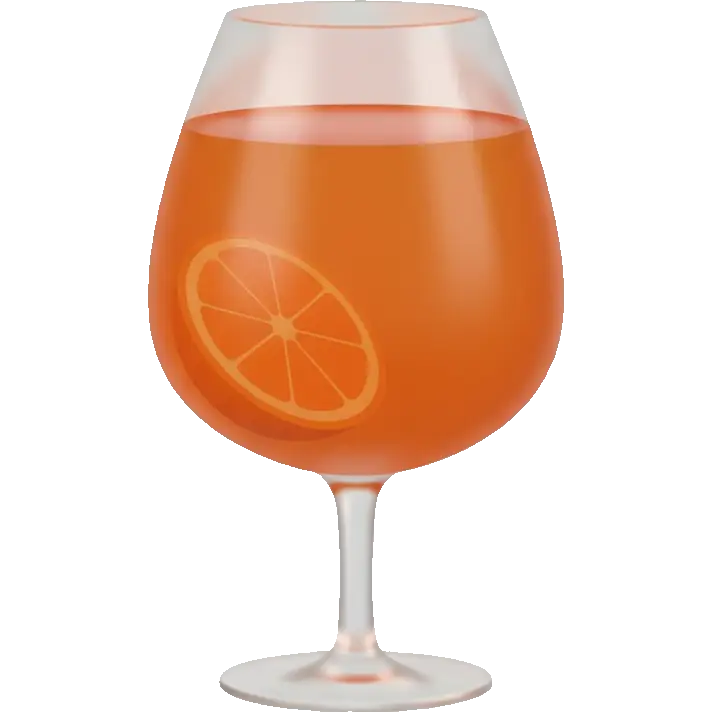
aperitif
Beverages
Is aperitif inflammation-compatible?
See whether aperitif fits an inflammation diet, with a clear compatible-or-avoid verdict plus its FODMAP, histamine and other trigger ratings in one place.
Related checkers
Compare aperitif across criteria
Sensitivity notes
Why inflammation diet checker matters
An anti-inflammatory diet focuses on foods that help reduce chronic inflammation in the body. It emphasizes fruits, vegetables, fatty fish, nuts, and whole grains while limiting processed foods, refined sugars, and certain oils.
- Focus on omega-3 rich foods like fatty fish, walnuts, and flaxseed
- Colorful fruits and vegetables provide anti-inflammatory antioxidants
- Extra virgin olive oil is a cornerstone of anti-inflammatory eating
- Limit refined sugars, processed foods, and industrial seed oils
- Turmeric and ginger are powerful anti-inflammatory spices
Sensitivities
What aperitif contains
FODMAPs
Histamine & Amines
Plant compounds
Irritants
Additives
Allergens
Diet fit
Where aperitif fits
Therapeutic diets
Lifestyle diets
Religious diets
What to know about aperitif
Aperitif is an umbrella rather than a single drink: vermouth, Lillet, quinquina, amari and the various bitter pre dinner pours all sit under it. What unites them for trigger purposes is a shared construction. Most are aromatised fortified wines, meaning a wine base, a shot of neutral spirit and a long infusion of bitter botanicals, usually finished with sugar. That construction stacks the wine problems on top of the botanical ones, which is why the category is graded high for histamine and high for sulfites at the same time. It also comes in graded moderate for FODMAPs and excess fructose from the sweetening, moderate for histamine liberation, and moderate for tyramine and salicylates from the fermented base and the herbs. The category is clean where you would expect a wine based drink to be clean: no lactose, no dairy protein, no nickel, no free glutamate, no oxalate concern. If you are trying to work out which pre dinner drink your body objects to, the useful move is to stop logging aperitif as one thing and record the actual bottle.
Watch for
- High for histamine.The base is fermented wine and the alcohol also blunts the enzyme that clears histamine, so an aperitif can be the drink that tips a borderline evening over
- High for sulfites, which are standard in the wine base and are not removed by fortification or by infusing botanicals into it
- Graded borderline on gluten, not because a wine based vermouth contains any, but because the umbrella stretches to grain based bitters and liqueurs.Read the specific bottle rather than trusting the category
- Moderate for FODMAPs and excess fructose from the sweetening.Dry vermouth and a sweet red vermouth are not the same sugar load
- Moderate for tyramine and for histamine liberation, a combination that shows up on migraine and MAOI diet handouts more often than the individual grades suggest





Explore related in Beverages
Compare similar foods to build a personalized list of swaps that work for your system.



Inflammation Guide
Everything you need to know about inflammation compatibility and smart food choices.
An anti-inflammatory diet focuses on foods that help reduce chronic inflammation in the body. It emphasizes fruits, vegetables, fatty fish, nuts, and whole grains while limiting processed foods, refined sugars, and certain oils.
These foods are typically compatible with a Inflammation approach:
View all safe options





Practical guidance for following a Inflammation diet:
- 1Focus on omega-3 rich foods like fatty fish, walnuts, and flaxseed
- 2Colorful fruits and vegetables provide anti-inflammatory antioxidants
- 3Extra virgin olive oil is a cornerstone of anti-inflammatory eating
- 4Limit refined sugars, processed foods, and industrial seed oils
- 5Turmeric and ginger are powerful anti-inflammatory spices
Pro tip: Keep a food diary to track your reactions. The Triggerbites app makes this easy with automatic pattern detection.
Want personalized tracking?
Download Triggerbites to log meals, track symptoms, and discover your unique triggers.
Get the AppFAQ
Does aperitif fit an inflammation diet?
Inflammation: avoid for strict plans.
What if I eat it occasionally?
Occasional use may break strict plans.
What are safer swaps?
Compare within the Beverages group.