 Back to Alcohol food checker
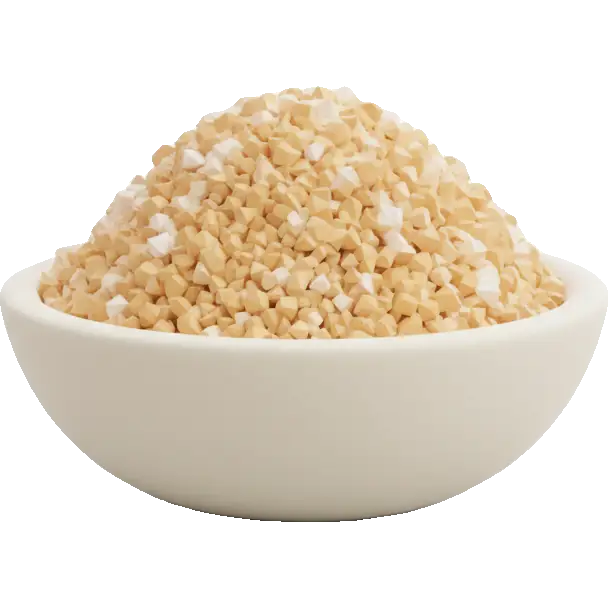
evaporated cane juice
Sweeteners
Is evaporated cane juice high in alcohol?
Is evaporated cane juice high or low in alcohol? See its exact rating, how much counts as a portion, and its FODMAP, salicylate, oxalate and diet compatibility in one place.

Related checkers
Compare evaporated cane juice across criteria

Sensitivity notes
Why alcohol food checker matters
Alcohol affects how your body responds to certain foods. Understanding your personal tolerance helps you make informed choices.
- Keep a detailed food and symptom diary to track your personal reactions
- Eliminate the suspected trigger completely for 2-4 weeks
- Reintroduce gradually to find your personal tolerance threshold
- Work with a healthcare provider or registered dietitian for guidance
- Remember that food sensitivities can change over time

Sensitivities
What evaporated cane juice contains
FODMAPs







Histamine & Amines



Plant compounds




Irritants




Additives



Allergens
















Diet fit
Where evaporated cane juice fits
Therapeutic diets










Lifestyle diets









Religious diets






What to know about evaporated cane juice
Evaporated cane juice is sugar. The FDA settled the argument in final guidance published in May 2016, stating that the term is not the common or usual name of any sweetener and that it is false or misleading because it implies a fruit or vegetable juice while hiding that the ingredient is, in its basic nature, cane sugar. The guidance told manufacturers to declare it as "sugar", optionally with an honest descriptor such as "cane sugar". For a trigger journal the label fight matters more than the chemistry does. Evaporated cane juice grades A on every food-chemistry column we track: histamine content and histamine liberation, salicylates, oxalates, nickel, sulfites, glutamates, tyramine, gluten, lactose and dairy protein. It is also A for total FODMAPs and A for excess fructose, because the fructose in sucrose comes bound one to one with glucose and the pair is absorbed together, which is what separates it from honey, agave or high fructose corn syrup. The real caveat is the one the name was designed to obscure: this is refined sugar, graded E for anti-inflammatory eating and E against both DASH and Mediterranean patterns.
Watch for
- Read it as sugar on the label.FDA final guidance from May 2016 asks manufacturers to stop using the term because it misleads people into reading a juice rather than a sweetener, and it counts toward added sugar exactly like cane sugar does
- Genuinely clean on food chemicals: A for histamine, histamine liberation, salicylates, oxalates, nickel, sulfites, glutamates and gluten.If an organic cereal bar sets you off, the sweetener is rarely the culprit
- Low FODMAP and A for excess fructose, since sucrose supplies glucose alongside its fructose.Do not lump it in with the fructose-dominant sweeteners you may already be avoiding
- Graded E for anti-inflammatory eating and E against DASH and Mediterranean patterns.Minimal refining changes the colour and the trace minerals, not the metabolic load
- It clusters in products marketed as natural or organic, so if you log by ingredient name rather than by grams it is easy to underestimate how much sugar a day actually carried


Explore related in Sweeteners
Compare similar foods to build a personalized list of swaps that work for your system.
Alcohol Guide
Everything you need to know about alcohol sensitivity and smart food choices.
Alcohol affects how your body responds to certain foods. Understanding your personal tolerance helps you make informed choices.
Sensitivity varies widely. What triggers one person may be fine for another. Track your reactions to find your personal threshold.

These foods are generally well-tolerated for Alcohol sensitivity:
View all safe options








These foods are high in alcohol and may trigger symptoms:
View full list


If you're sensitive to Alcohol, consider these strategies:
- 1Keep a detailed food and symptom diary to track your personal reactions
- 2Eliminate the suspected trigger completely for 2-4 weeks
- 3Reintroduce gradually to find your personal tolerance threshold
- 4Work with a healthcare provider or registered dietitian for guidance
- 5Remember that food sensitivities can change over time
Pro tip: Keep a food diary to track your reactions. The Triggerbites app makes this easy with automatic pattern detection.
Want personalized tracking?
Download Triggerbites to log meals, track symptoms, and discover your unique triggers.
Get the AppFAQ
Is evaporated cane juice high in Alcohol?
Alcohol: low signal for most people.
Can I still eat evaporated cane juice if I'm sensitive to Alcohol?
Usually fine in normal portions.
What else should I check?
Check AIP, Mediterranean, and DASH Diet next for a fuller picture.