
black coffee
Beverages
Is black coffee high in alcohol?
Is black coffee high or low in alcohol? See its exact rating, how much counts as a portion, and its FODMAP, salicylate, oxalate and diet compatibility in one place.
Related checkers
Compare black coffee across criteria
Sensitivity notes
Why alcohol food checker matters
Alcohol affects how your body responds to certain foods. Understanding your personal tolerance helps you make informed choices.
- Keep a detailed food and symptom diary to track your personal reactions
- Eliminate the suspected trigger completely for 2-4 weeks
- Reintroduce gradually to find your personal tolerance threshold
- Work with a healthcare provider or registered dietitian for guidance
- Remember that food sensitivities can change over time
Sensitivities
What black coffee contains
FODMAPs
Histamine & Amines
Plant compounds
Irritants
Additives
Allergens
Diet fit
Where black coffee fits
Therapeutic diets
Lifestyle diets
Religious diets
What to know about black coffee
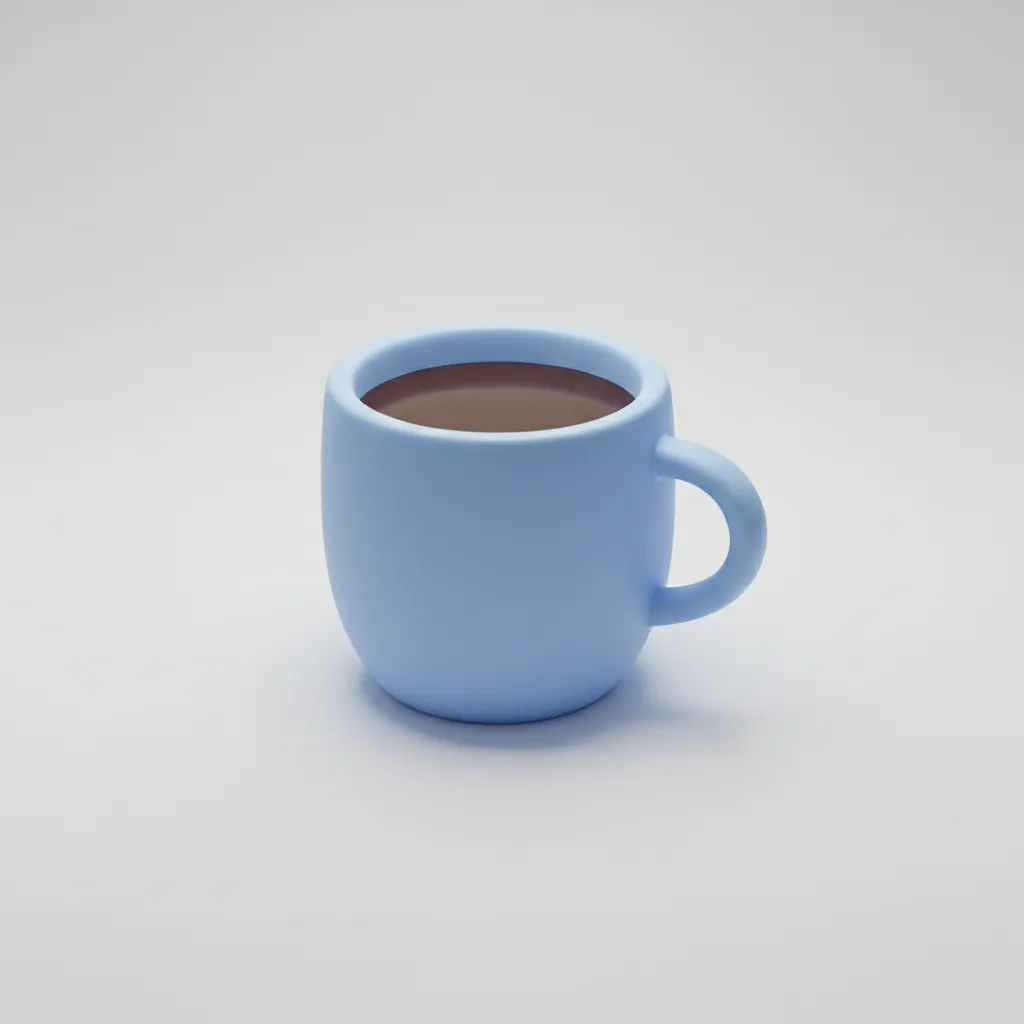
Black coffee is the classic high-caffeine trigger: it sits at the top of the caffeine scale, and a single cup delivers roughly 80 to 120 mg. For sensitive people that is enough to spark jitters, a racing heart, anxiety, disrupted sleep or a sudden dash to the bathroom. Coffee is also naturally acidic, a separate issue for reflux and sensitive stomachs even though the acidity is not a histamine or salicylate problem. The upside is that black coffee is otherwise clean, with no gluten, lactose, FODMAPs or nightshade, so if caffeine is your trigger, moving to decaf keeps almost everything you like about the cup.
Watch for
- Very high in caffeine (roughly 80 to 120 mg a cup), the main driver of jitters, palpitations, anxiety and broken sleep
- Naturally acidic, which can aggravate acid reflux, GERD and a sensitive stomach independently of the caffeine
- Caffeine is a diuretic and gut stimulant, so coffee often triggers urgency or loose stools on an empty stomach
- Decaf still contains a little caffeine (usually 2 to 5 mg a cup), not zero, but low enough for most caffeine-sensitive people



Explore related in Beverages
Compare similar foods to build a personalized list of swaps that work for your system.

Alcohol Guide
Everything you need to know about alcohol sensitivity and smart food choices.
Alcohol affects how your body responds to certain foods. Understanding your personal tolerance helps you make informed choices.
Sensitivity varies widely. What triggers one person may be fine for another. Track your reactions to find your personal threshold.
These foods are generally well-tolerated for Alcohol sensitivity:
View all safe options





These foods are high in alcohol and may trigger symptoms:
View full list

If you're sensitive to Alcohol, consider these strategies:
- 1Keep a detailed food and symptom diary to track your personal reactions
- 2Eliminate the suspected trigger completely for 2-4 weeks
- 3Reintroduce gradually to find your personal tolerance threshold
- 4Work with a healthcare provider or registered dietitian for guidance
- 5Remember that food sensitivities can change over time
Pro tip: Keep a food diary to track your reactions. The Triggerbites app makes this easy with automatic pattern detection.
Want personalized tracking?
Download Triggerbites to log meals, track symptoms, and discover your unique triggers.
Get the AppFAQ
Is black coffee high in Alcohol?
Alcohol: low signal for most people.
Can I still eat black coffee if I'm sensitive to Alcohol?
Usually fine in normal portions.
What else should I check?
Check Caffeine, AIP, and Reflux Diet next for a fuller picture.