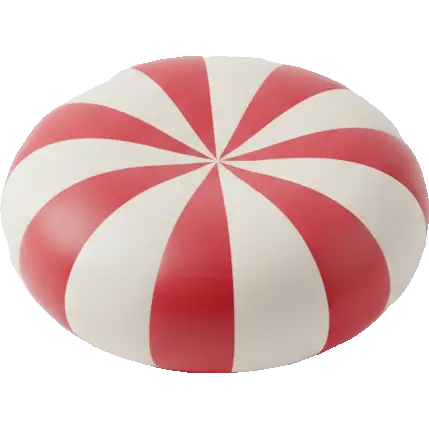
peppermint
Herbs & Spices
Is peppermint vegetarian-compatible?
See whether peppermint fits a vegetarian diet, with a clear compatible-or-avoid verdict plus its FODMAP, histamine and other trigger ratings in one place.
Related checkers
Compare peppermint across criteria
Sensitivity notes
Why vegetarian diet checker matters
A vegetarian diet excludes meat and fish but may include dairy products and eggs. It focuses on plant foods with optional animal-derived products like milk, cheese, and eggs.
- Eggs and dairy can help meet protein needs
- Include a variety of plant proteins for balanced nutrition
- Iron-rich foods pair well with vitamin C
- Don't rely too heavily on cheese as a protein source
- B12 is still important if limiting animal products
Sensitivities
What peppermint contains
FODMAPs
Histamine & Amines
Plant compounds
Irritants
Additives
Allergens
Diet fit
Where peppermint fits
Therapeutic diets
Lifestyle diets
Religious diets
What to know about peppermint
Peppermint is one of the few foods that is genuinely both medicine and trigger, and which one you get depends on where in the gut it lands. Enteric coated peppermint oil is among the better evidenced treatments for IBS: menthol blocks calcium channels in intestinal smooth muscle, which relaxes spasm and eases pain and bloating. The catch is that the same relaxing effect works on the lower oesophageal sphincter, the valve keeping stomach acid down, so peppermint is a classic reflux aggravator and heartburn is the most reported side effect of uncoated peppermint oil. On the food chemistry side peppermint grades C for salicylates and C for oxalate, with everything else clean: A for histamine, A across all FODMAP columns and A for paleo or AIP.
Watch for
- Relaxes the lower oesophageal sphincter, so peppermint oil, strong mints and mint flavoured foods can worsen reflux, heartburn and that burning throat feeling even in people whose IBS improves on it
- Salicylates grade C, which puts peppermint in the moderate band: relevant if you follow an RPAH style elimination, and the oil is many times more concentrated than the leaf
- Oxalate grades C, so peppermint is a moderate rather than trivial contributor if you are managing kidney stones and using mint heavily
- Enteric coated capsules exist precisely so the oil does not release in the stomach: an uncoated oil, a peppermint sweet or a mint chewing gum gives the reflux downside without the targeted intestinal benefit
- Peppermint oil is potent enough to matter at very small doses, so treat it as a supplement to log rather than as a herb


Explore related in Herbs & Spices
Compare similar foods to build a personalized list of swaps that work for your system.

Vegetarian Guide
Everything you need to know about vegetarian compatibility and smart food choices.
A vegetarian diet excludes meat and fish but may include dairy products and eggs. It focuses on plant foods with optional animal-derived products like milk, cheese, and eggs.
These foods are typically compatible with a Vegetarian approach:
View all safe options







Practical guidance for following a Vegetarian diet:
- 1Eggs and dairy can help meet protein needs
- 2Include a variety of plant proteins for balanced nutrition
- 3Iron-rich foods pair well with vitamin C
- 4Don't rely too heavily on cheese as a protein source
- 5B12 is still important if limiting animal products
Pro tip: Keep a food diary to track your reactions. The Triggerbites app makes this easy with automatic pattern detection.
Want personalized tracking?
Download Triggerbites to log meals, track symptoms, and discover your unique triggers.
Get the AppFAQ
Does peppermint fit a vegetarian diet?
Vegetarian: fits well for most plans.
What if I eat it occasionally?
Still check preparation and add-ins.
What are safer swaps?
Compare within the Herbs & Spices group.