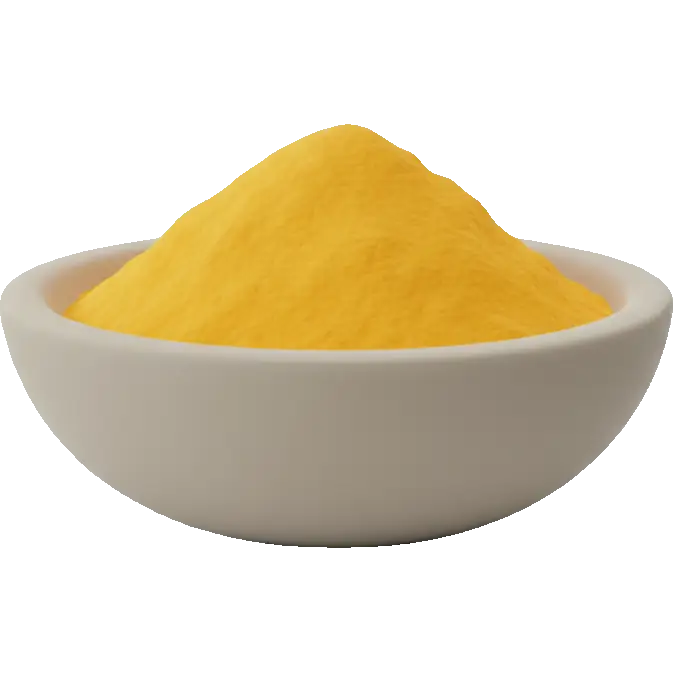
turmeric powder
Herbs & Spices
Is turmeric powder vegan-compatible?
See whether turmeric powder fits a vegan diet, with a clear compatible-or-avoid verdict plus its FODMAP, histamine and other trigger ratings in one place.
Related checkers
Compare turmeric powder across criteria
Sensitivity notes
Why vegan diet checker matters
A vegan diet excludes all animal products including meat, dairy, eggs, and honey. It focuses on plant-based foods like vegetables, fruits, grains, legumes, nuts, and seeds.
- Ensure adequate protein from varied plant sources
- Supplement B12 - it's essential and not available from plants
- Consider omega-3 from algae-based supplements
- Iron from plants requires vitamin C for better absorption
- Plan meals to ensure complete amino acid profiles
Sensitivities
What turmeric powder contains
FODMAPs
Histamine & Amines
Plant compounds
Irritants
Additives
Allergens
Diet fit
Where turmeric powder fits
Therapeutic diets
Lifestyle diets
Religious diets
What to know about turmeric powder
Turmeric powder is the dried and ground rhizome, typically a few percent curcuminoids by weight. On triggers it is mild: no gluten, no lactose, low FODMAP, no nightshade content despite the curry-shelf company it keeps, and it rates strongly anti-inflammatory. Its one moderate flag is salicylates, which matters if you are partway through an elimination protocol, alongside mild ratings for histamine, tyramine, oxalate, nickel and free glutamates. The two facts worth knowing about the powder specifically are not about food chemistry at all. Turmeric powder is among the most frequently adulterated spices in global trade, with lead chromate historically added to brighten the colour, and the curcumin that makes it interesting is absorbed so poorly on its own that pairing with piperine or fat is the difference between a trace and a dose.
Watch for
- Adulteration is the real risk with ground turmeric.Lead chromate has been added to brighten dull roots and has been traced to raised blood lead levels in South Asian populations, prompting repeated import alerts and recalls. Metanil yellow, starch and chalk also turn up. Buying whole rhizomes, or powder from a brand that publishes heavy metal testing, is the practical fix.
- Curcumin absorbs badly on its own and is cleared quickly.Piperine from black pepper and a source of fat both raise absorption substantially, which is why traditional cooking pairs turmeric with pepper and oil. Note the trade-off: black pepper is high in salicylates, so that pairing costs you something if salicylates are your issue.
- Moderate on salicylates.A pinch stirred into a curry is a small exposure, but a daily gram-level supplement is an entirely different one and is a common hidden salicylate load in people who think they have eliminated everything.
- Moderate on oxalate and nickel.Culinary quantities are tiny, but concentrated extracts are the version that shows up in kidney stone and nickel dermatitis discussions, so dose rather than the spice jar is what to look at.
- Mild on histamine, tyramine and free glutamates, so it is rarely the culprit when a fermented or umami-heavy meal sets you off, even when turmeric was in the pan.

Explore related in Herbs & Spices
Compare similar foods to build a personalized list of swaps that work for your system.

Vegan Guide
Everything you need to know about vegan compatibility and smart food choices.
A vegan diet excludes all animal products including meat, dairy, eggs, and honey. It focuses on plant-based foods like vegetables, fruits, grains, legumes, nuts, and seeds.
These foods are typically compatible with a Vegan approach:
View all safe options







Practical guidance for following a Vegan diet:
- 1Ensure adequate protein from varied plant sources
- 2Supplement B12 - it's essential and not available from plants
- 3Consider omega-3 from algae-based supplements
- 4Iron from plants requires vitamin C for better absorption
- 5Plan meals to ensure complete amino acid profiles
Pro tip: Keep a food diary to track your reactions. The Triggerbites app makes this easy with automatic pattern detection.
Want personalized tracking?
Download Triggerbites to log meals, track symptoms, and discover your unique triggers.
Get the AppFAQ
Does turmeric powder fit a vegan diet?
Vegan: fits well for most plans.
What if I eat it occasionally?
Still check preparation and add-ins.
What are safer swaps?
Compare within the Herbs & Spices group.