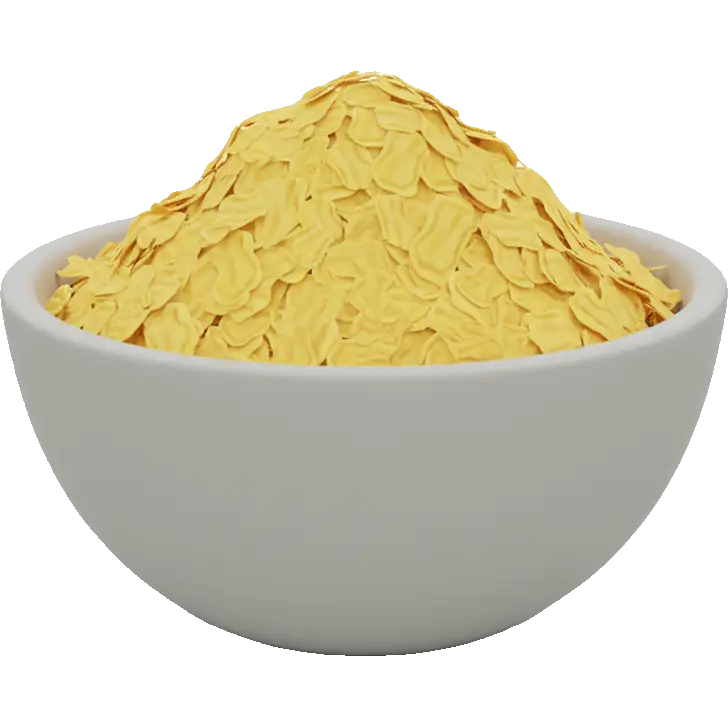
nutritional yeast
Condiments & Sauces
Is nutritional yeast high in mustard?
Is nutritional yeast high or low in mustard? See its exact rating, how much counts as a portion, and its FODMAP, salicylate, oxalate and diet compatibility in one place.
Related checkers
Compare nutritional yeast across criteria
Sensitivity notes
Why mustard food checker matters
Mustard affects how your body responds to certain foods. Understanding your personal tolerance helps you make informed choices.
- Keep a detailed food and symptom diary to track your personal reactions
- Eliminate the suspected trigger completely for 2-4 weeks
- Reintroduce gradually to find your personal tolerance threshold
- Work with a healthcare provider or registered dietitian for guidance
- Remember that food sensitivities can change over time
Sensitivities
What nutritional yeast contains
FODMAPs
Histamine & Amines
Plant compounds
Irritants
Additives
Allergens
Diet fit
Where nutritional yeast fits
Therapeutic diets
Lifestyle diets
Religious diets
What to know about nutritional yeast
Nutritional yeast is deactivated Saccharomyces cerevisiae, dried into flakes that taste savoury and faintly cheesy, which is why it turns up on almost every dairy free recipe going. On our grades it is a mostly gentle ingredient with one real caveat: histamine is graded C, moderate, because it is a yeast, and yeast is one of the food groups histamine intolerant eaters are routinely asked to watch. FODMAPs sit at B, so a teaspoon behaves very differently from the heaped tablespoons a cheese sauce calls for. Everything else reads clean: gluten A, lactose A, dairy protein A, nickel A, sulfite A, and, unlike concentrated yeast extract, free glutamate is graded A rather than high. The other thing worth knowing is that the vitamin B12 nutritional yeast is famous for is added at the factory, not made by the yeast, so an unfortified brand looks identical in the bowl and does nothing for your B12. If dairy free cheese sauces sit badly with you and lactose has already been ruled out, the flakes themselves are the next thing to test.
Watch for
- Histamine graded C.A teaspoon over pasta is a different proposition from the three or four tablespoons a vegan cheese sauce uses, and histamine reactions here are dose led
- The B12 is fortification, not biology.Fortified brands are the reason it became a vegan staple, unfortified brands exist and are common in bulk bins, so read the nutrition panel before relying on it
- FODMAPs graded B: fine in seasoning amounts, worth portioning if you are in an elimination phase
- It is a yeast.That matters if you are avoiding yeast for reasons other than histamine, and it is graded E on the AIP column, where yeasts are excluded outright
- Yeast is a high purine food, which is a genuine consideration if you manage gout, and it hides inside vegan cheese sauces, cheesy popcorn seasonings, dairy free pesto and plant based ready meals rather than only appearing as flakes you add yourself



Explore related in Condiments & Sauces
Compare similar foods to build a personalized list of swaps that work for your system.
Mustard Guide
Everything you need to know about mustard sensitivity and smart food choices.
Mustard affects how your body responds to certain foods. Understanding your personal tolerance helps you make informed choices.
Sensitivity varies widely. What triggers one person may be fine for another. Track your reactions to find your personal threshold.
These foods are generally well-tolerated for Mustard sensitivity:
View all safe options







These foods have moderate levels and may be tolerated in small amounts:

These foods are high in mustard and may trigger symptoms:

If you're sensitive to Mustard, consider these strategies:
- 1Keep a detailed food and symptom diary to track your personal reactions
- 2Eliminate the suspected trigger completely for 2-4 weeks
- 3Reintroduce gradually to find your personal tolerance threshold
- 4Work with a healthcare provider or registered dietitian for guidance
- 5Remember that food sensitivities can change over time
Pro tip: Keep a food diary to track your reactions. The Triggerbites app makes this easy with automatic pattern detection.
Want personalized tracking?
Download Triggerbites to log meals, track symptoms, and discover your unique triggers.
Get the AppFAQ
Is nutritional yeast high in Mustard?
Mustard: low signal for most people.
Can I still eat nutritional yeast if I'm sensitive to Mustard?
Usually fine in normal portions.
What else should I check?
Check Inflammation, AIP, and Histamine next for a fuller picture.