 Back to Mediterranean diet checker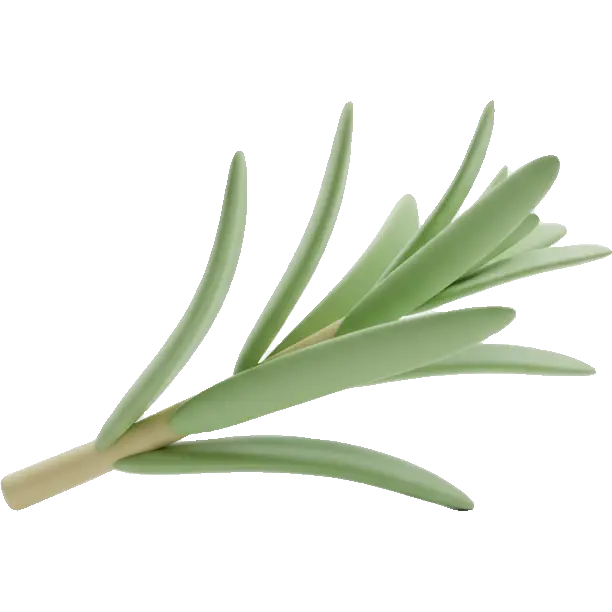
tarragon
Herbs & Spices
Is tarragon mediterranean-compatible?
See whether tarragon fits a mediterranean diet, with a clear compatible-or-avoid verdict plus its FODMAP, histamine and other trigger ratings in one place.

Related checkers
Compare tarragon across criteria

Sensitivity notes
Why mediterranean diet checker matters
The Mediterranean diet is based on traditional foods from countries bordering the Mediterranean Sea. It emphasizes olive oil, fish, vegetables, whole grains, and moderate wine consumption while limiting red meat and processed foods.
- Make olive oil your primary fat source
- Eat fish at least twice per week
- Enjoy meals with family and friends - it's part of the lifestyle
- Red wine in moderation (optional) with meals
- Limit red meat to a few times per month

Sensitivities
What tarragon contains
FODMAPs







Histamine & Amines



Plant compounds




Irritants




Additives



Allergens
















Diet fit
Where tarragon fits
Therapeutic diets










Lifestyle diets









Religious diets






What to know about tarragon
Tarragon is the anise-scented herb that holds classic French cooking together. It is the reduction that defines bearnaise and one of the four fines herbes alongside parsley, chives and chervil. Which tarragon you have matters more than with most herbs: French tarragon (Artemisia dracunculus var. sativa) is propagated from cuttings because it rarely sets viable seed, and its oil is dominated by estragole, while the seed-grown Russian type is coarser, blunter and considerably weaker. On triggers the herb itself is quiet. Histamine grades A, and so do gluten, lactose, nickel, sulfites, nitrites and tyramine, with A across all four FODMAP subgroups, so tarragon will not add fructans to a low FODMAP plate. Salicylate sits at a moderate C, with mild B marks for histamine liberation, oxalate and free glutamate.
Watch for
- Moderate salicylate (C), which is the only grade on this page that asks for portioning.Fresh sprigs folded into a sauce at the end are a smaller dose than dried tarragon rubbed on by the spoonful
- Tarragon dries badly.Its estragole is highly volatile and largely evaporates, leaving a flat, hay-like powder, so cooks compensate by using two or three times as much. That habit quietly multiplies the salicylate exposure while giving back very little flavour
- The dish is usually the trigger, not the herb.Bearnaise pairs tarragon with a vinegar and wine reduction, and vinegar grades histamine C, sulfite C and tyramine B, on top of egg yolk and a lot of butter. If bearnaise reliably sets you off, work backwards through the sauce before you blame the tarragon
- Tarragon vinegar is the same problem in a bottle.You are buying the vinegar base with its histamine and sulfite grades, not a concentrated form of a low-trigger herb
- Essential oil is a different exposure class entirely.Tarragon oil is concentrated estragole and has nothing to do with the amount of leaf that goes into a chicken dish; do not read a herb grade as clearance for an oil or supplement



Explore related in Herbs & Spices
Compare similar foods to build a personalized list of swaps that work for your system.
Mediterranean Guide
Everything you need to know about mediterranean compatibility and smart food choices.
The Mediterranean diet is based on traditional foods from countries bordering the Mediterranean Sea. It emphasizes olive oil, fish, vegetables, whole grains, and moderate wine consumption while limiting red meat and processed foods.
These foods are typically compatible with a Mediterranean approach:
View all safe options








Practical guidance for following a Mediterranean diet:
- 1Make olive oil your primary fat source
- 2Eat fish at least twice per week
- 3Enjoy meals with family and friends - it's part of the lifestyle
- 4Red wine in moderation (optional) with meals
- 5Limit red meat to a few times per month
Pro tip: Keep a food diary to track your reactions. The Triggerbites app makes this easy with automatic pattern detection.
Want personalized tracking?
Download Triggerbites to log meals, track symptoms, and discover your unique triggers.
Get the AppFAQ
Does tarragon fit a mediterranean diet?
Mediterranean: fits well for most plans.
What if I eat it occasionally?
Still check preparation and add-ins.
What are safer swaps?
Compare within the Herbs & Spices group.