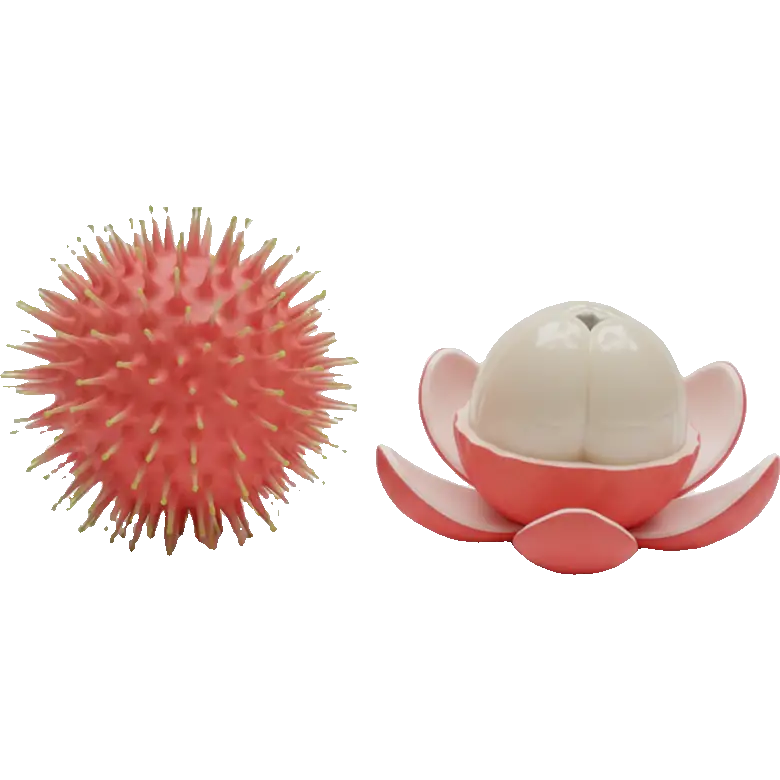
rambutan
Fruit
Is rambutan mediterranean-compatible?
See whether rambutan fits a mediterranean diet, with a clear compatible-or-avoid verdict plus its FODMAP, histamine and other trigger ratings in one place.
Related checkers
Compare rambutan across criteria
Sensitivity notes
Why mediterranean diet checker matters
The Mediterranean diet is based on traditional foods from countries bordering the Mediterranean Sea. It emphasizes olive oil, fish, vegetables, whole grains, and moderate wine consumption while limiting red meat and processed foods.
- Make olive oil your primary fat source
- Eat fish at least twice per week
- Enjoy meals with family and friends - it's part of the lifestyle
- Red wine in moderation (optional) with meals
- Limit red meat to a few times per month
Sensitivities
What rambutan contains
FODMAPs
Histamine & Amines
Plant compounds
Irritants
Additives
Allergens
Diet fit
Where rambutan fits
Therapeutic diets
Lifestyle diets
Religious diets
What to know about rambutan
Rambutan is the gentlest of the three soapberry fruits we grade, and that is the whole point of the page. It comes out one full step below lychee and longan on every gut measure that matters: D rather than E for total FODMAPs, D rather than E for excess fructose, C rather than D for polyols and D rather than E for low-fermentation SIBO protocols. It is also cleaner on trace minerals, grading A for nickel where lychee and longan both sit at B, and A for oxalates. That is why it appears as a swap on our lychee page, and it is an honest swap rather than a cosmetic one: it is safer on the exact triggers lychee is flagged for, and it does not introduce a new high grade anywhere. What it is not is a low FODMAP fruit. A D grade still means a real fructose and polyol load, so rambutan is a step down rather than a green light, and the hairy shell that makes it slow to peel is quietly doing you a favour by slowing the portion.
Watch for
- Still D for total FODMAPs and D for excess fructose.Milder than lychee is not the same as safe, and a bowl of rambutan will find a sensitive gut
- C for polyols, so the sorbitol contribution is real but secondary.Portion is the variable that decides whether you notice it
- Do not eat the seed.Rambutan seeds contain saponins and are not eaten raw in any culinary tradition that uses the fruit. Eat the translucent flesh and discard the stone
- Canned rambutan, often sold stuffed with pineapple in syrup, changes the picture completely: the syrup adds free sugars and the pineapple adds its own load, so canned is not a fair test of whether fresh rambutan suits you
- Rated A for nickel and A for oxalates, which makes it a reasonable tropical fruit to keep in rotation if either of those is your issue





Explore related in Fruit
Compare similar foods to build a personalized list of swaps that work for your system.

Mediterranean Guide
Everything you need to know about mediterranean compatibility and smart food choices.
The Mediterranean diet is based on traditional foods from countries bordering the Mediterranean Sea. It emphasizes olive oil, fish, vegetables, whole grains, and moderate wine consumption while limiting red meat and processed foods.
These foods are typically compatible with a Mediterranean approach:
View all safe options





Practical guidance for following a Mediterranean diet:
- 1Make olive oil your primary fat source
- 2Eat fish at least twice per week
- 3Enjoy meals with family and friends - it's part of the lifestyle
- 4Red wine in moderation (optional) with meals
- 5Limit red meat to a few times per month
Pro tip: Keep a food diary to track your reactions. The Triggerbites app makes this easy with automatic pattern detection.
Want personalized tracking?
Download Triggerbites to log meals, track symptoms, and discover your unique triggers.
Get the AppFAQ
Does rambutan fit a mediterranean diet?
Mediterranean: fits well for most plans.
What if I eat it occasionally?
Still check preparation and add-ins.
What are safer swaps?
Compare within the Fruit group.