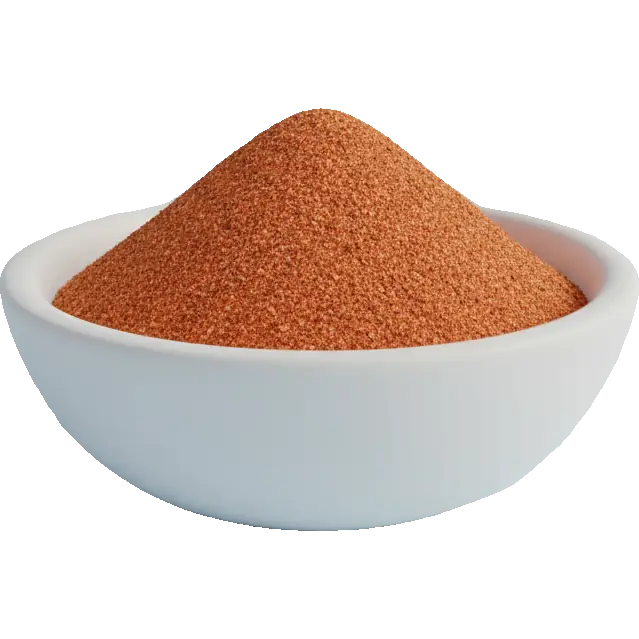
old bay seasoning
Herbs & Spices
Is old bay seasoning mediterranean-compatible?
See whether old bay seasoning fits a mediterranean diet, with a clear compatible-or-avoid verdict plus its FODMAP, histamine and other trigger ratings in one place.
Related checkers
Compare old bay seasoning across criteria
Sensitivity notes
Why mediterranean diet checker matters
The Mediterranean diet is based on traditional foods from countries bordering the Mediterranean Sea. It emphasizes olive oil, fish, vegetables, whole grains, and moderate wine consumption while limiting red meat and processed foods.
- Make olive oil your primary fat source
- Eat fish at least twice per week
- Enjoy meals with family and friends - it's part of the lifestyle
- Red wine in moderation (optional) with meals
- Limit red meat to a few times per month
Sensitivities
What old bay seasoning contains
FODMAPs
Histamine & Amines
Plant compounds
Irritants
Additives
Allergens
Diet fit
Where old bay seasoning fits
Therapeutic diets
Lifestyle diets
Religious diets
What to know about old bay seasoning
Old Bay is a branded blend, and its published ingredient statement is short: celery salt (salt and celery seed), spices including red pepper and black pepper, and paprika. Two things follow from that for anyone tracking triggers. First, paprika and red pepper are nightshades, which is why the blend grades nightshade C even though nobody thinks of a seasoning jar as a nightshade food. Second, celery sits at the front of the label, and celery is one of the declarable allergens in the EU and UK, making a spice blend a genuinely unexpected route to it. Beyond those, salicylate is C from the paprika and spice load, and the rest is quiet: gluten A, lactose A, dairy protein A, histamine A, nickel A, with mild Bs on FODMAP, sulfite, glutamate and oxalate.
Watch for
- Nightshade C: paprika is named on the label and red pepper is named inside the spice blend.Both are Capsicum, so a strict nightshade elimination has to drop the jar, not just the obvious peppers and tomatoes
- Celery is the other half of celery salt, and it is a declarable allergen in the EU and UK.It is not a FALCPA major allergen in the US, so an American label may only mention it inside the ingredient list with no allergen statement attached
- Salicylate C, driven mostly by the paprika and the concentrated dried spices.Seasoning blends punch above their weight here because you are eating dried, concentrated plant material
- A cluster of mild Bs sits under the surface: FODMAP and fructans B (blends of this style typically carry garlic or onion notes), sulfite B, glutamates B and oxalate B.None is a headline, but they add up on a heavy crab boil
- Copycat and homemade versions are not the same product.Home recipes usually lean much harder on paprika and cayenne, which pushes the nightshade and salicylate exposure above what these grades describe


Explore related in Herbs & Spices
Compare similar foods to build a personalized list of swaps that work for your system.


Mediterranean Guide
Everything you need to know about mediterranean compatibility and smart food choices.
The Mediterranean diet is based on traditional foods from countries bordering the Mediterranean Sea. It emphasizes olive oil, fish, vegetables, whole grains, and moderate wine consumption while limiting red meat and processed foods.
These foods are typically compatible with a Mediterranean approach:
View all safe options







Practical guidance for following a Mediterranean diet:
- 1Make olive oil your primary fat source
- 2Eat fish at least twice per week
- 3Enjoy meals with family and friends - it's part of the lifestyle
- 4Red wine in moderation (optional) with meals
- 5Limit red meat to a few times per month
Pro tip: Keep a food diary to track your reactions. The Triggerbites app makes this easy with automatic pattern detection.
Want personalized tracking?
Download Triggerbites to log meals, track symptoms, and discover your unique triggers.
Get the AppFAQ
Does old bay seasoning fit a mediterranean diet?
Mediterranean: fits well for most plans.
What if I eat it occasionally?
Still check preparation and add-ins.
What are safer swaps?
Compare within the Herbs & Spices group.