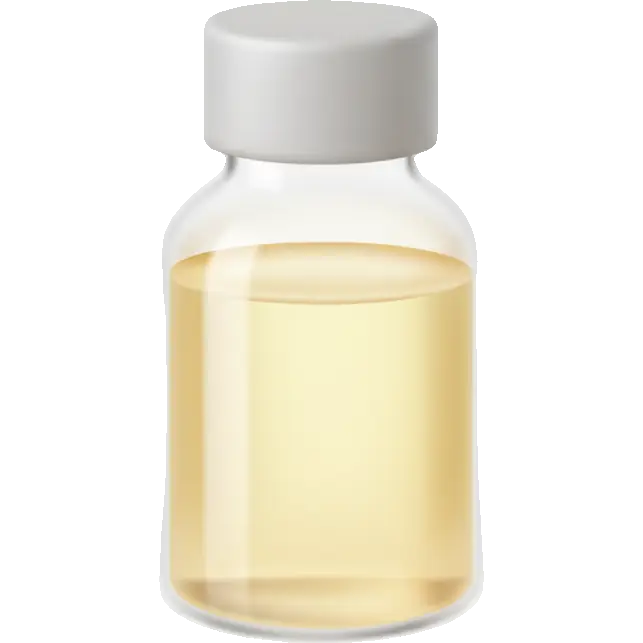
chia seed oil
Oils & Fats
Is chia seed oil mediterranean-compatible?
See whether chia seed oil fits a mediterranean diet, with a clear compatible-or-avoid verdict plus its FODMAP, histamine and other trigger ratings in one place.
Related checkers
Compare chia seed oil across criteria
Sensitivity notes
Why mediterranean diet checker matters
The Mediterranean diet is based on traditional foods from countries bordering the Mediterranean Sea. It emphasizes olive oil, fish, vegetables, whole grains, and moderate wine consumption while limiting red meat and processed foods.
- Make olive oil your primary fat source
- Eat fish at least twice per week
- Enjoy meals with family and friends - it's part of the lifestyle
- Red wine in moderation (optional) with meals
- Limit red meat to a few times per month
Sensitivities
What chia seed oil contains
FODMAPs
Histamine & Amines
Plant compounds
Irritants
Additives
Allergens
Diet fit
Where chia seed oil fits
Therapeutic diets
Lifestyle diets
Religious diets
What to know about chia seed oil
Chia seed oil is what you get when chia is pressed, and it is worth understanding as the opposite half of the seed. Almost everything people track chia for lives in the part that stays behind in the press cake: the mucilage that turns a spoonful into gel, the soluble fibre, and the lectins that put whole chia seeds at the high end of our lectin grading. The oil carries none of that. What it does carry is fat that is roughly sixty percent alpha-linolenic acid, among the richest plant sources of omega-3 there is, which also makes it one of the most fragile oils in the kitchen. It is graded clean on histamine, salicylate, FODMAPs, nickel, gluten and dairy, so for most sensitive eaters the practical questions are storage and rancidity, not triggers.
Watch for
- Whole chia seeds are graded high in lectins; chia seed oil is graded clean.Lectins are water-soluble proteins and they stay with the meal when the seed is pressed, so the oil is not a lectin exposure the way the seed is
- No mucilage means no gel.The swelling that makes dry chia risky to swallow before it has hydrated, and the heaviness some people get from a large spoonful of seeds, do not carry over to the oil. Neither does any of the fibre benefit
- Very high alpha-linolenic acid makes it prone to oxidation.Heat, light and air degrade it quickly, so it belongs in the fridge in a dark bottle and on food after cooking, not in the pan. A bottle that smells like fish or old paint is rancid and should go
- The omega-3 in chia oil is plant-form ALA, and human conversion of ALA into EPA is limited and into DHA is very small.It is a useful fat, but it does not stand in for marine omega-3
- If you take chia oil as softgels rather than from a bottle, log the capsule too.The shell and any added antioxidant such as tocopherols or rosemary extract are separate ingredients from the oil
Explore related in Oils & Fats
Compare similar foods to build a personalized list of swaps that work for your system.

Mediterranean Guide
Everything you need to know about mediterranean compatibility and smart food choices.
The Mediterranean diet is based on traditional foods from countries bordering the Mediterranean Sea. It emphasizes olive oil, fish, vegetables, whole grains, and moderate wine consumption while limiting red meat and processed foods.
These foods are typically compatible with a Mediterranean approach:
View all safe options







Practical guidance for following a Mediterranean diet:
- 1Make olive oil your primary fat source
- 2Eat fish at least twice per week
- 3Enjoy meals with family and friends - it's part of the lifestyle
- 4Red wine in moderation (optional) with meals
- 5Limit red meat to a few times per month
Pro tip: Keep a food diary to track your reactions. The Triggerbites app makes this easy with automatic pattern detection.
Want personalized tracking?
Download Triggerbites to log meals, track symptoms, and discover your unique triggers.
Get the AppFAQ
Does chia seed oil fit a mediterranean diet?
Mediterranean: mixed fit - check ingredients.
What if I eat it occasionally?
Keep portions small and verify ingredients.
What are safer swaps?
Compare within the Oils & Fats group.