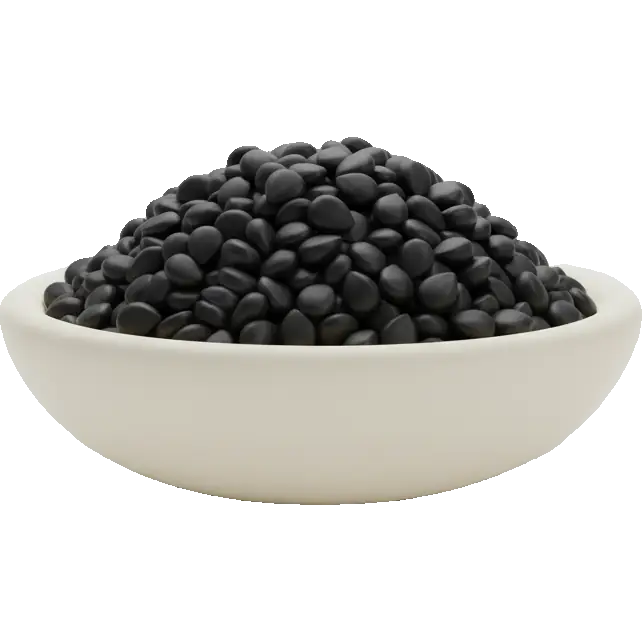
black seed
Herbs & Spices
Is black seed low-carb-compatible?
See whether black seed fits a low-carb diet, with a clear compatible-or-avoid verdict plus its FODMAP, histamine and other trigger ratings in one place.
Related checkers
Compare black seed across criteria
Sensitivity notes
Why low-carb diet checker matters
Low-carb affects how your body responds to certain foods. Understanding your personal tolerance helps you make informed choices.
- Keep a detailed food and symptom diary to track your personal reactions
- Eliminate the suspected trigger completely for 2-4 weeks
- Reintroduce gradually to find your personal tolerance threshold
- Work with a healthcare provider or registered dietitian for guidance
- Remember that food sensitivities can change over time
Sensitivities
What black seed contains
FODMAPs
Histamine & Amines
Plant compounds
Irritants
Additives
Allergens
Diet fit
Where black seed fits
Therapeutic diets
Lifestyle diets
Religious diets
What to know about black seed
Black seed is Nigella sativa, the small matte-black seed scattered over naan and Turkish bread and stirred into Bengali panch phoron. As a spice it grades clean across the board here, with no histamine, no tyramine, no free glutamate, no sulfites, no salicylate flag and no FODMAP load. The reason it needs a page at all is that most people meeting it now are not meeting a spice. They are taking black seed oil capsules or a spoon of cold-pressed oil standardised for thymoquinone, and that is a daily dose orders of magnitude larger than anything you would sprinkle on bread. Almost every reported side effect and drug interaction belongs to the supplement, not the seed.
Watch for
- The culinary dose and the supplement dose are not the same exposure.A pinch of seed on flatbread is a fraction of a gram, while black seed oil regimens run one to three grams a day standardised for thymoquinone, the compound that makes up roughly half a percent to two percent of the oil. If you started a supplement, log it as a supplement.
- At supplement doses the common complaints are gastric: bloating, nausea, loose stools and reflux.These read exactly like a new food intolerance in a diary, so a black seed oil start date is worth marking before you go hunting through your meals.
- Thymoquinone interacts with cytochrome P450 enzymes including CYP2C9, the pathway that clears warfarin, and trials consistently show modest blood-sugar and blood-pressure lowering.Stacked with an anticoagulant, a diabetes drug or a blood-pressure medication, the effects add up. Clear a black seed oil habit with whoever manages your prescriptions.
- Rash and skin hypersensitivity are the recurring non-gut reports, and contact dermatitis from black seed oil applied to skin is documented.Nigella sativa is unrelated to true cumin despite the shared name, so a cumin allergy tells you nothing about it.
- As a whole spice it grades clean on histamine, gluten, lactose, nickel, sulfites, nightshades and all FODMAP subgroups, which makes it one of the easier ways to add flavour on a restricted diet.







Explore related in Herbs & Spices
Compare similar foods to build a personalized list of swaps that work for your system.

Low-carb Guide
Everything you need to know about low-carb compatibility and smart food choices.
Low-carb affects how your body responds to certain foods. Understanding your personal tolerance helps you make informed choices.
These foods are typically compatible with a Low-carb approach:
View all safe options






Practical guidance for following a Low-carb diet:
- 1Keep a detailed food and symptom diary to track your personal reactions
- 2Eliminate the suspected trigger completely for 2-4 weeks
- 3Reintroduce gradually to find your personal tolerance threshold
- 4Work with a healthcare provider or registered dietitian for guidance
- 5Remember that food sensitivities can change over time
Pro tip: Keep a food diary to track your reactions. The Triggerbites app makes this easy with automatic pattern detection.
Want personalized tracking?
Download Triggerbites to log meals, track symptoms, and discover your unique triggers.
Get the AppFAQ
Does black seed fit a low-carb diet?
Low-carb: fits well for most plans.
What if I eat it occasionally?
Still check preparation and add-ins.
What are safer swaps?
Compare within the Herbs & Spices group.