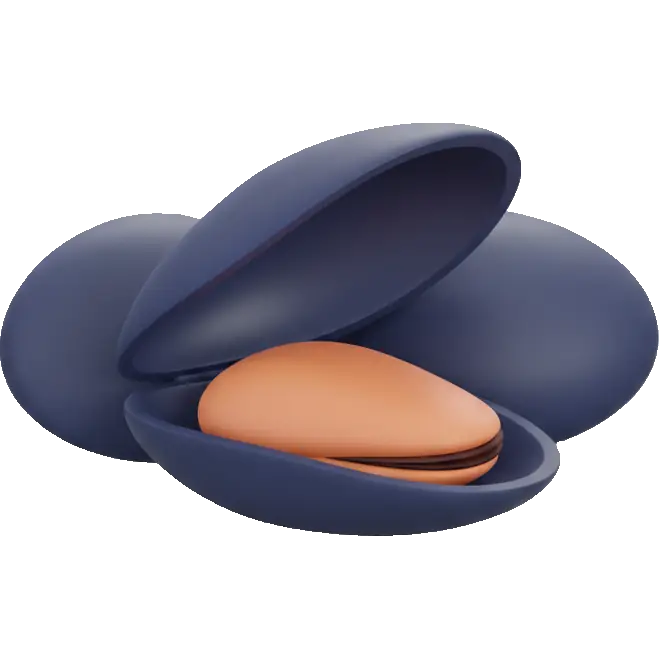
mussels
Seafood
Is mussels high in histamine?
Is mussels high or low in histamine? See its exact rating, how much counts as a portion, and its FODMAP, salicylate, oxalate and diet compatibility in one place.
Related checkers
Compare mussels across criteria
Sensitivity notes
Why histamine food checker matters
Histamine is a compound naturally present in many foods, especially aged, fermented, or preserved items. In sensitive individuals, excess histamine can cause headaches, flushing, hives, digestive issues, and other symptoms. Your body normally breaks down histamine, but some people have reduced capacity to do so.
- Focus on fresh foods - histamine builds up as food ages
- Cook and eat meals fresh; avoid leftovers sitting more than 24 hours
- Be cautious with fermented foods, aged cheeses, and cured meats
- Consider that stress and hormones can affect your histamine tolerance
- Some antihistamines or DAO supplements may help (consult your doctor)
Sensitivities
What mussels contains
FODMAPs
Histamine & Amines
Plant compounds
Irritants
Additives
Allergens
Diet fit
Where mussels fits
Therapeutic diets
Lifestyle diets
Religious diets
What to know about mussels
Mussels grade moderate on histamine and clean on gluten, lactose, sulfites, glutamates, tyramine and FODMAPs, so the trigger question with mussels is rarely what is in the meat and almost always how long it sat between the rope and the pot. Farmed mussels grow suspended on ropes and feed themselves by filtering the water around them, which is why they need no feed and why their safety record is tied to the water they were grown in and to the cold chain afterwards. The one rule everybody repeats about them, that you must throw out any mussel that stays shut after cooking, is a much weaker test than its reputation suggests, and the checks that actually matter happen before the pan goes on.
Watch for
- Moderate histamine (graded C).Shellfish amines climb once the catch comes off ice and cooking does not reverse them, so a bag that spent a warm afternoon in the car is the real variable, not the species
- The "discard anything that did not open" rule is a poor freshness test.A mussel can stay shut simply because its adductor muscle held its grip through cooking. The genuinely meaningful check is before cooking: throw out any raw mussel that gapes and will not close when you tap it, plus anything with a cracked shell or a sour smell
- Debearding kills the animal, so pull the byssus threads just before cooking rather than hours ahead, and store them in the fridge under a damp cloth instead of sealed in a plastic bag or sitting in fresh tap water
- Mildly graded on both salicylates and oxalates (B each).Neither is high enough to lead a reaction on its own, but it is worth logging if a meal is already stacking several borderline foods
- Nickel is unrated for mussels in this data, so treat it as unknown rather than clear if you are working through a systemic nickel diet, since molluscs are a recognised dietary nickel source

Explore related in Seafood
Compare similar foods to build a personalized list of swaps that work for your system.

Histamine Guide
Everything you need to know about histamine sensitivity and smart food choices.
Histamine is a compound naturally present in many foods, especially aged, fermented, or preserved items. In sensitive individuals, excess histamine can cause headaches, flushing, hives, digestive issues, and other symptoms. Your body normally breaks down histamine, but some people have reduced capacity to do so.
Sensitivity varies widely. What triggers one person may be fine for another. Track your reactions to find your personal threshold.
These foods are generally well-tolerated for Histamine sensitivity:
View all safe options







These foods have moderate levels and may be tolerated in small amounts:








These foods are high in histamine and may trigger symptoms:
View full list






If you're sensitive to Histamine, consider these strategies:
- 1Focus on fresh foods - histamine builds up as food ages
- 2Cook and eat meals fresh; avoid leftovers sitting more than 24 hours
- 3Be cautious with fermented foods, aged cheeses, and cured meats
- 4Consider that stress and hormones can affect your histamine tolerance
- 5Some antihistamines or DAO supplements may help (consult your doctor)
Pro tip: Keep a food diary to track your reactions. The Triggerbites app makes this easy with automatic pattern detection.
Want personalized tracking?
Download Triggerbites to log meals, track symptoms, and discover your unique triggers.
Get the AppFAQ
Is mussels high in Histamine?
Histamine: moderate signal - portion size matters.
Can I still eat mussels if I'm sensitive to Histamine?
Try smaller portions and space it out.
What else should I check?
Check Molluscs, Vegan, and Vegetarian next for a fuller picture.