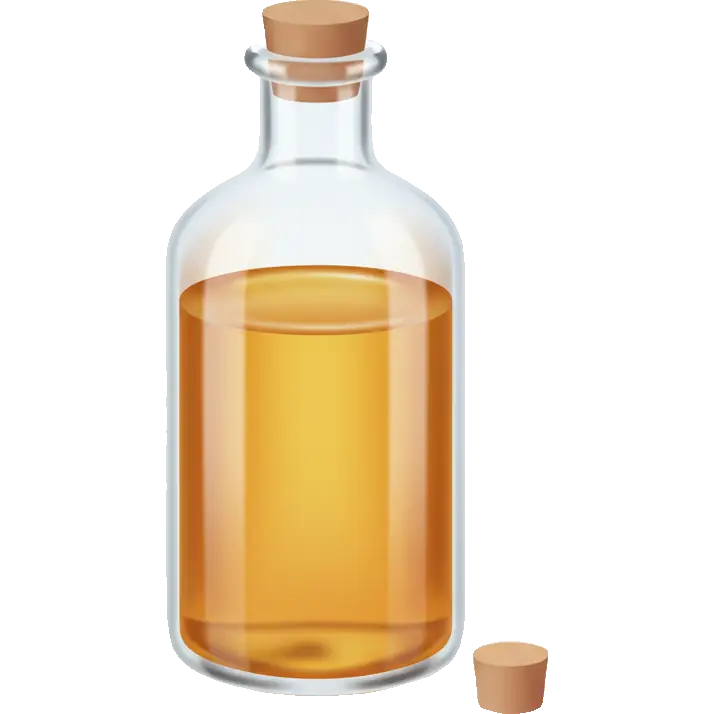
walnut oil
Oils & Fats
Is walnut oil halal-compatible?
See whether walnut oil fits a halal diet, with a clear compatible-or-avoid verdict plus its FODMAP, histamine and other trigger ratings in one place.
Related checkers
Compare walnut oil across criteria
Sensitivity notes
Why halal diet checker matters
Halal affects how your body responds to certain foods. Understanding your personal tolerance helps you make informed choices.
- Keep a detailed food and symptom diary to track your personal reactions
- Eliminate the suspected trigger completely for 2-4 weeks
- Reintroduce gradually to find your personal tolerance threshold
- Work with a healthcare provider or registered dietitian for guidance
- Remember that food sensitivities can change over time
Sensitivities
What walnut oil contains
FODMAPs
Histamine & Amines
Plant compounds
Irritants
Additives
Allergens
Diet fit
Where walnut oil fits
Therapeutic diets
Lifestyle diets
Religious diets
What to know about walnut oil
Walnut oil is one of the cleanest things on the food-chemistry columns and one of the least safe things on the allergy one. Pressed from the nut, it grades A for histamine, histamine liberation, tyramine, oxalate, nickel, free glutamate, sulfites, gluten, lactose and every FODMAP subgroup, with salicylates the only borderline mark at B. That is a genuinely different profile from whole walnuts, which grade E for oxalate and D for nickel, because those sit in the solids and do not follow the fat out of the press. None of it helps with allergy. Culinary walnut oil is cold pressed and unrefined by design, so nut protein can carry through, and the reassurance you may have read about highly refined nut oils does not transfer to it.
Watch for
- Tree nut allergen.Cold-pressed, unrefined oils retain far more protein than highly refined ones, so the studies that found refined peanut and nut oils tolerable say nothing useful about a gourmet finishing oil. Anyone with a walnut allergy should treat it as walnut
- The oxalate and nickel that make whole walnuts a problem for kidney-stone formers and nickel-sensitive eaters largely stay behind in the press cake: the oil grades A on both where the nuts grade E and D
- Very heat fragile.Walnut oil is mostly polyunsaturated, including a good share of alpha-linolenic acid, so it has a low smoke point and turns bitter and acrid when it is cooked. It is a finishing oil, not a frying oil
- It goes rancid faster than almost any other culinary oil.Buy small bottles, keep it in the fridge, and bin it if it smells like old paint or crayon rather than walnut
- Salicylates grade borderline (B), the only non-clean mark on the whole row, and a drizzle is a small dose of it

Explore related in Oils & Fats
Compare similar foods to build a personalized list of swaps that work for your system.
Halal Guide
Everything you need to know about halal compatibility and smart food choices.
Halal affects how your body responds to certain foods. Understanding your personal tolerance helps you make informed choices.
These foods are typically compatible with a Halal approach:
View all safe options







Practical guidance for following a Halal diet:
- 1Keep a detailed food and symptom diary to track your personal reactions
- 2Eliminate the suspected trigger completely for 2-4 weeks
- 3Reintroduce gradually to find your personal tolerance threshold
- 4Work with a healthcare provider or registered dietitian for guidance
- 5Remember that food sensitivities can change over time
Pro tip: Keep a food diary to track your reactions. The Triggerbites app makes this easy with automatic pattern detection.
Want personalized tracking?
Download Triggerbites to log meals, track symptoms, and discover your unique triggers.
Get the AppFAQ
Does walnut oil fit a halal diet?
Halal: fits well for most plans.
What if I eat it occasionally?
Still check preparation and add-ins.
What are safer swaps?
Compare within the Oils & Fats group.