
kaffir lime leaves
Herbs & Spices
Is kaffir lime leaves high in crustaceans?
Is kaffir lime leaves high or low in crustaceans? See its exact rating, how much counts as a portion, and its FODMAP, salicylate, oxalate and diet compatibility in one place.
Related checkers
Compare kaffir lime leaves across criteria
Sensitivity notes
Why crustaceans food checker matters
Crustaceans affects how your body responds to certain foods. Understanding your personal tolerance helps you make informed choices.
- Keep a detailed food and symptom diary to track your personal reactions
- Eliminate the suspected trigger completely for 2-4 weeks
- Reintroduce gradually to find your personal tolerance threshold
- Work with a healthcare provider or registered dietitian for guidance
- Remember that food sensitivities can change over time
Sensitivities
What kaffir lime leaves contains
FODMAPs
Histamine & Amines
Plant compounds
Irritants
Additives
Allergens
Diet fit
Where kaffir lime leaves fits
Therapeutic diets
Lifestyle diets
Religious diets
What to know about kaffir lime leaves
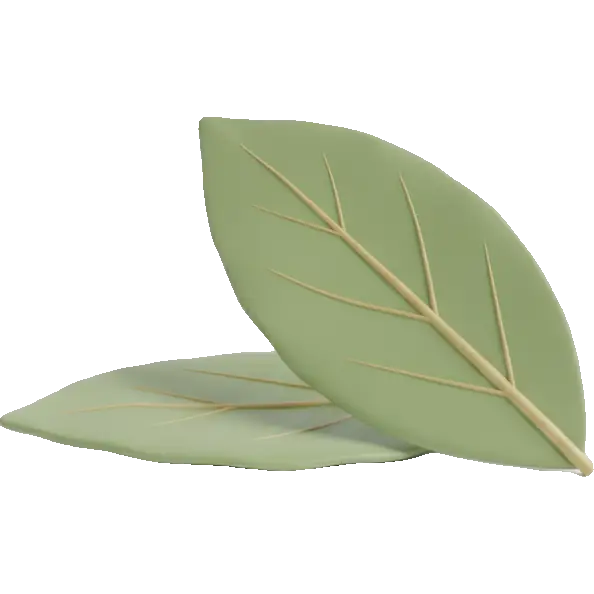
These are the glossy double-lobed leaves of Citrus hystrix, the aromatic backbone of tom yum, tom kha and Thai curries. You will increasingly see them sold as makrut lime leaves: "kaffir" is a serious racial slur in South African usage, and chefs, writers and retailers (Waitrose changed its packaging in 2021) have moved to makrut or Thai lime. Same leaf, better name. On triggers they are gentle: low in histamine, clean on gluten, lactose, FODMAPs, nickel, sulfites, tyramine and nightshades, with a mild histamine-liberating tendency and a moderate salicylate grade. The other thing that keeps exposure low is how they are used. Torn leaves go into the pot to perfume the broth and are usually left behind in the bowl.
Watch for
- How the leaf is prepared changes your actual dose more than the grade does.Torn or bruised leaves dropped into a soup or curry are aromatics you eat around, like a bay leaf. Finely shredded raw into a salad, a fish cake or a stir-fry, they are swallowed whole and the exposure is real
- Moderate salicylate is the highest grade on the card.Strongly aromatic citrus leaves are salicylate-bearing, and dried or powdered leaf concentrates more per gram than a fresh one
- Mild histamine liberator only.This is notably lower than lemon and lime fruit, which are both graded strong liberators here, so the leaf is not simply a stand-in for the fruit on that front
- In the dishes these leaves define, they are rarely the trigger worth chasing.Fish sauce, shrimp paste and concentrated stock carry far more free glutamate and histamine than the leaf contributes, and curry pastes bring shallot and garlic with them
- Trigger data for citrus leaves specifically is thin.They are not individually listed in the main FODMAP or histamine reference tables, so treat the grades as reasonable inference from the plant family rather than tested values



Explore related in Herbs & Spices
Compare similar foods to build a personalized list of swaps that work for your system.

Crustaceans Guide
Everything you need to know about crustaceans sensitivity and smart food choices.
Crustaceans affects how your body responds to certain foods. Understanding your personal tolerance helps you make informed choices.
Sensitivity varies widely. What triggers one person may be fine for another. Track your reactions to find your personal threshold.
These foods are generally well-tolerated for Crustaceans sensitivity:
View all safe options







These foods have moderate levels and may be tolerated in small amounts:



If you're sensitive to Crustaceans, consider these strategies:
- 1Keep a detailed food and symptom diary to track your personal reactions
- 2Eliminate the suspected trigger completely for 2-4 weeks
- 3Reintroduce gradually to find your personal tolerance threshold
- 4Work with a healthcare provider or registered dietitian for guidance
- 5Remember that food sensitivities can change over time
Pro tip: Keep a food diary to track your reactions. The Triggerbites app makes this easy with automatic pattern detection.
Want personalized tracking?
Download Triggerbites to log meals, track symptoms, and discover your unique triggers.
Get the AppFAQ
Is kaffir lime leaves high in Crustaceans?
Crustaceans: low signal for most people.
Can I still eat kaffir lime leaves if I'm sensitive to Crustaceans?
Usually fine in normal portions.
What else should I check?
Check Salicylates, Low Salicylate, and Histamine Liberators next for a fuller picture.