
calabash
Vegetables
Is calabash high in caffeine?
Is calabash high or low in caffeine? See its exact rating, how much counts as a portion, and its FODMAP, salicylate, oxalate and diet compatibility in one place.
Related checkers
Compare calabash across criteria
Sensitivity notes
Why caffeine food checker matters
Caffeine is a natural stimulant found in coffee, tea, chocolate, and many soft drinks. While safe for most people, those with caffeine sensitivity may experience anxiety, rapid heartbeat, digestive issues, or sleep disturbances even from small amounts.
- Gradually reduce caffeine to avoid withdrawal headaches
- Switch to decaf versions of your favorite drinks
- Be aware of hidden caffeine in chocolate and some medications
- Try herbal alternatives like rooibos or peppermint tea
- Caffeine sensitivity can change with age and stress levels
Sensitivities
What calabash contains
FODMAPs
Histamine & Amines
Plant compounds
Irritants
Additives
Allergens
Diet fit
Where calabash fits
Therapeutic diets
Lifestyle diets
Religious diets
What to know about calabash
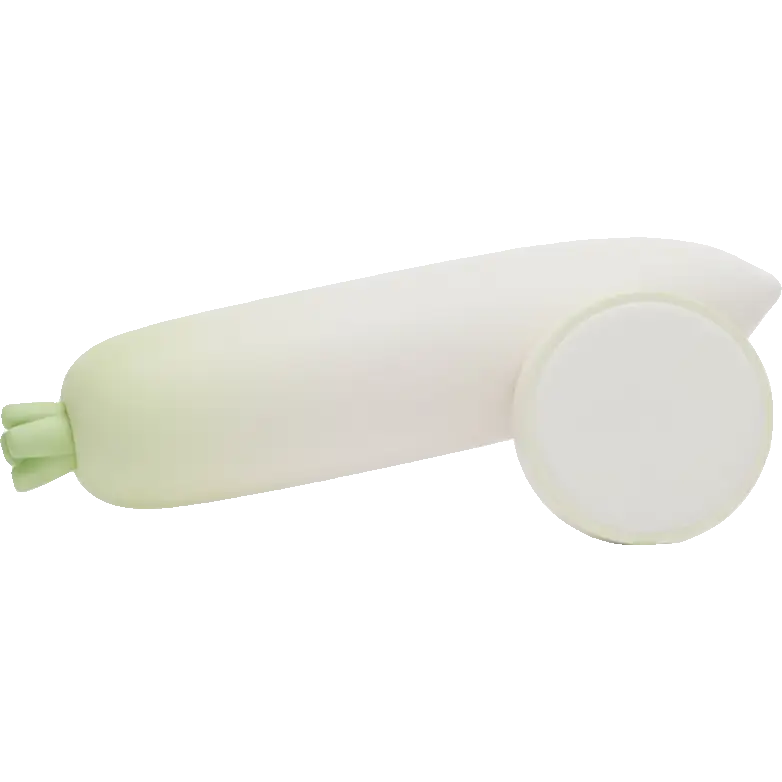
Calabash, the pale green bottle gourd sold as lauki, dudhi or opo squash, is graded clean across every trigger this journal tracks. No histamine, no salicylate, no oxalate load, no nightshade, no gluten or lactose, no nickel, no lectin flag, and it fits AIP, DASH and Mediterranean patterns. Its FODMAP content is unrated rather than tested, which is the only gap. So the reason this page exists is not intolerance, it is a real acute hazard that a food journal will never catch: bottle gourd sometimes accumulates cucurbitacins, the intensely bitter defence compounds of the gourd family, and a bitter bottle gourd is poisonous. Indian hospitals have documented vomiting, gastrointestinal bleeding and deaths after people drank raw lauki juice as a health drink. The rule that came out of that is simple and worth following every single time: taste a small raw piece first, and if it is bitter, spit it out and throw the whole gourd away.
Watch for
- Taste before you cook or juice, every gourd, every time.Bitterness is the only warning sign cucurbitacin gives you. If the raw sliver tastes bitter, discard the entire fruit rather than trying to cook the bitterness out, because cucurbitacins are not reliably destroyed by heat
- Raw juice is the dangerous form.An ICMR expert committee was convened in India specifically because of bottle gourd juice poisonings, and reported cases indicate that around 50 mL of bitter juice can produce serious illness while larger volumes have proved fatal. There is no antidote and treatment is supportive only
- If you have swallowed bitter bottle gourd and then get vomiting, diarrhoea, abdominal pain, blood in vomit or stool, or simply feel very unwell, treat it as an emergency and get medical help rather than waiting it out
- On the intolerance side there is genuinely nothing to report.Calabash grades clean on histamine, histamine liberation, salicylate, oxalate, lectin, nickel, sulfite and glutamate, and it is AIP compliant. Its FODMAP grade is unrated rather than proven low, so log your portion if you have IBS and are still mapping thresholds



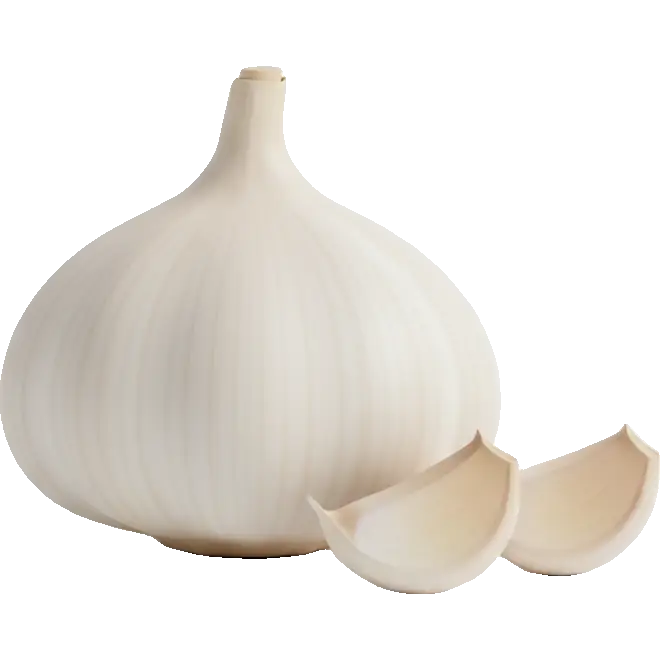
Explore related in Vegetables
Compare similar foods to build a personalized list of swaps that work for your system.




Caffeine Guide
Everything you need to know about caffeine sensitivity and smart food choices.
Caffeine is a natural stimulant found in coffee, tea, chocolate, and many soft drinks. While safe for most people, those with caffeine sensitivity may experience anxiety, rapid heartbeat, digestive issues, or sleep disturbances even from small amounts.
Sensitivity varies widely. What triggers one person may be fine for another. Track your reactions to find your personal threshold.







These foods have moderate levels and may be tolerated in small amounts:







These foods are high in caffeine and may trigger symptoms:






If you're sensitive to Caffeine, consider these strategies:
- 1Gradually reduce caffeine to avoid withdrawal headaches
- 2Switch to decaf versions of your favorite drinks
- 3Be aware of hidden caffeine in chocolate and some medications
- 4Try herbal alternatives like rooibos or peppermint tea
- 5Caffeine sensitivity can change with age and stress levels
Pro tip: Keep a food diary to track your reactions. The Triggerbites app makes this easy with automatic pattern detection.
Want personalized tracking?
Download Triggerbites to log meals, track symptoms, and discover your unique triggers.
Get the AppFAQ
Is calabash high in Caffeine?
Caffeine: low signal for most people.
Can I still eat calabash if I'm sensitive to Caffeine?
Usually fine in normal portions.
What else should I check?
Check Low Fibre, Gastroparesis Diet, and Keto next for a fuller picture.