 Back to Caffeine food checker
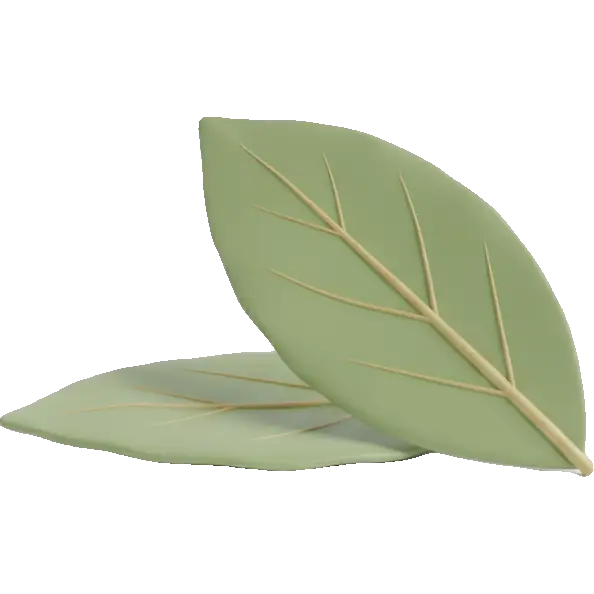
bay leaf
Herbs & Spices
Is bay leaf high in caffeine?
Is bay leaf high or low in caffeine? See its exact rating, how much counts as a portion, and its FODMAP, salicylate, oxalate and diet compatibility in one place.

Related checkers
Compare bay leaf across criteria

Sensitivity notes
Why caffeine food checker matters
Caffeine is a natural stimulant found in coffee, tea, chocolate, and many soft drinks. While safe for most people, those with caffeine sensitivity may experience anxiety, rapid heartbeat, digestive issues, or sleep disturbances even from small amounts.
- Gradually reduce caffeine to avoid withdrawal headaches
- Switch to decaf versions of your favorite drinks
- Be aware of hidden caffeine in chocolate and some medications
- Try herbal alternatives like rooibos or peppermint tea
- Caffeine sensitivity can change with age and stress levels

Sensitivities
What bay leaf contains
FODMAPs







Histamine & Amines



Plant compounds




Irritants




Additives



Allergens
















Diet fit
Where bay leaf fits
Therapeutic diets










Lifestyle diets









Religious diets






What to know about bay leaf
Bay leaf is graded clean on every single criterion we track: histamine, tyramine, salicylates, oxalates, all four FODMAP groups, nickel, glutamates, lectins, sulfites, gluten and nightshades all come back safe. Dose explains a lot of that. The leaf is simmered whole and lifted out before serving, so what you actually eat is a few milligrams of aromatic oil (mostly cineole and linalool) dissolved into the pot, not a portion of herb. When a bay-scented dish reliably causes symptoms, the culprit is nearly always its company rather than the bay. The one genuine warning about bay leaves is mechanical, not chemical.
Watch for
- The real hazard is physical.Bay leaves stay stiff and sharp-edged after hours of simmering, and swallowing a whole leaf or a crumbled fragment has caused throat and oesophageal injuries. Count them into the pot and count them back out, and crumble dried leaves into a tea ball rather than straight into the food
- Blends are where the triggers actually live.Bouquet garni, bouillon cubes, ready-made stock and jarred "bay leaf" seasoning sit bay next to onion powder, garlic powder, yeast extract and MSG, all of which grade far harder than the leaf itself
- Not every leaf sold as bay is the same plant.Recipes mean Mediterranean bay (Laurus nobilis). California bay is a different, much more pungent species, and ornamental laurels such as cherry laurel, mountain laurel and oleander are toxic and are not culinary bay in any sense
- Because bay grades clean on FODMAPs, salicylates and histamine at once, it is one of the few ways to add savoury depth during an elimination phase without reaching for onion, garlic or stock



Explore related in Herbs & Spices
Compare similar foods to build a personalized list of swaps that work for your system.

Caffeine Guide
Everything you need to know about caffeine sensitivity and smart food choices.
Caffeine is a natural stimulant found in coffee, tea, chocolate, and many soft drinks. While safe for most people, those with caffeine sensitivity may experience anxiety, rapid heartbeat, digestive issues, or sleep disturbances even from small amounts.
Sensitivity varies widely. What triggers one person may be fine for another. Track your reactions to find your personal threshold.










These foods have moderate levels and may be tolerated in small amounts:





These foods are high in caffeine and may trigger symptoms:



If you're sensitive to Caffeine, consider these strategies:
- 1Gradually reduce caffeine to avoid withdrawal headaches
- 2Switch to decaf versions of your favorite drinks
- 3Be aware of hidden caffeine in chocolate and some medications
- 4Try herbal alternatives like rooibos or peppermint tea
- 5Caffeine sensitivity can change with age and stress levels
Pro tip: Keep a food diary to track your reactions. The Triggerbites app makes this easy with automatic pattern detection.
Want personalized tracking?
Download Triggerbites to log meals, track symptoms, and discover your unique triggers.
Get the AppFAQ
Is bay leaf high in Caffeine?
Caffeine: low signal for most people.
Can I still eat bay leaf if I'm sensitive to Caffeine?
Usually fine in normal portions.
What else should I check?
Check Histamine, Histamine Liberators, and FODMAPs next for a fuller picture.