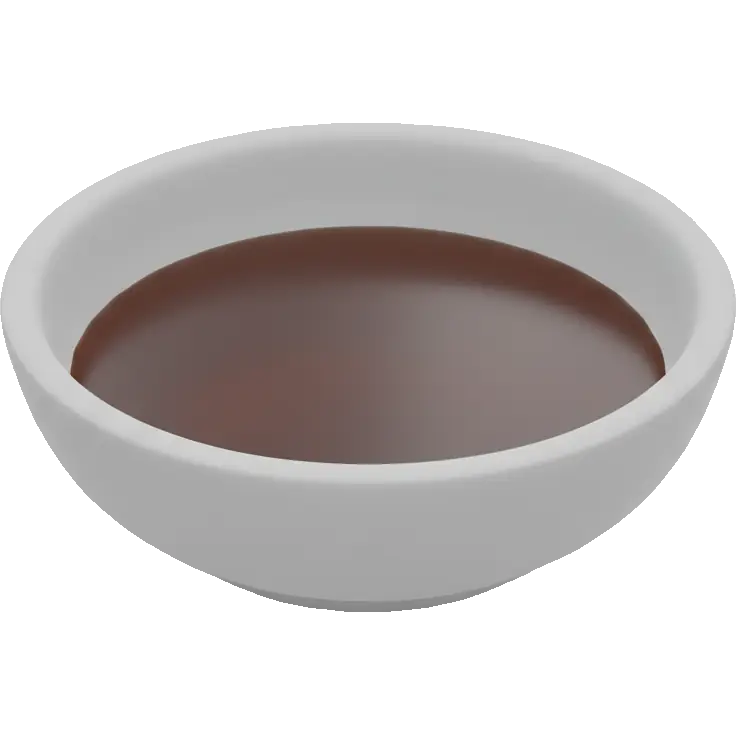
ponzu sauce
Condiments & Sauces
Is ponzu sauce buddhist vegetarian-compatible?
See whether ponzu sauce fits a buddhist vegetarian diet, with a clear compatible-or-avoid verdict plus its FODMAP, histamine and other trigger ratings in one place.
Related checkers
Compare ponzu sauce across criteria
Sensitivity notes
Why buddhist vegetarian diet checker matters
Buddhist Vegetarian affects how your body responds to certain foods. Understanding your personal tolerance helps you make informed choices.
- Keep a detailed food and symptom diary to track your personal reactions
- Eliminate the suspected trigger completely for 2-4 weeks
- Reintroduce gradually to find your personal tolerance threshold
- Work with a healthcare provider or registered dietitian for guidance
- Remember that food sensitivities can change over time
Sensitivities
What ponzu sauce contains
FODMAPs
Histamine & Amines
Plant compounds
Irritants
Additives
Allergens
Diet fit
Where ponzu sauce fits
Therapeutic diets
Lifestyle diets
Religious diets
What to know about ponzu sauce
Ponzu is citrus soy sauce, and almost everything that makes it a trigger comes from the soy half. We grade it high for gluten, because standard ponzu is built on wheat-brewed shoyu, and high for free glutamate, because the umami layer is kombu and dried bonito, both of which are concentrated natural sources of it. Fermentation then puts it at moderate for histamine, and it grades poorly for low-fermentation and SIBO diets, with moderate sulfites, salicylates and oxalate alongside. The citrus half, whether yuzu, sudachi or kabosu, is the part people worry about and the part our data has least against it. Ponzu also grades clean on tyramine, which is unusual for a soy-sauce derivative and reflects how much the shoyu is diluted with juice and dashi. If you are searching whether ponzu is gluten free, the short answer is no by default, and the citrus in the name is not what you need to worry about.
Watch for
- Graded high for gluten.Japanese shoyu is brewed from roughly equal parts soybean and wheat, so unless the bottle says gluten free, ponzu contains wheat protein
- High free glutamate from kombu and katsuobushi, the two ingredients that give ponzu its depth.This is naturally occurring, so a label with no added MSG tells you nothing useful
- Moderate histamine from the brewed soy base and the dried fermented fish.Ponzu is often poured cold over raw or seared fish, which adds to that load rather than replacing it
- Our data does not rate ponzu for histamine liberation, so treat that as unknown rather than safe.Worth noting that we do grade lemon and lime as strong liberators, while the yuzu and sudachi used in ponzu are not graded that way
- Rated poorly for low-fermentation and SIBO plans, with moderate sulfites, salicylates and oxalate, though FODMAPs themselves stay low





Explore related in Condiments & Sauces
Compare similar foods to build a personalized list of swaps that work for your system.



Buddhist Vegetarian Guide
Everything you need to know about buddhist vegetarian compatibility and smart food choices.
Buddhist Vegetarian affects how your body responds to certain foods. Understanding your personal tolerance helps you make informed choices.
These foods are typically compatible with a Buddhist Vegetarian approach:
View all safe options







Practical guidance for following a Buddhist Vegetarian diet:
- 1Keep a detailed food and symptom diary to track your personal reactions
- 2Eliminate the suspected trigger completely for 2-4 weeks
- 3Reintroduce gradually to find your personal tolerance threshold
- 4Work with a healthcare provider or registered dietitian for guidance
- 5Remember that food sensitivities can change over time
Pro tip: Keep a food diary to track your reactions. The Triggerbites app makes this easy with automatic pattern detection.
Want personalized tracking?
Download Triggerbites to log meals, track symptoms, and discover your unique triggers.
Get the AppFAQ
Does ponzu sauce fit a buddhist vegetarian diet?
Buddhist Vegetarian: mixed fit - check ingredients.
What if I eat it occasionally?
Keep portions small and verify ingredients.
What are safer swaps?
Compare within the Condiments & Sauces group.