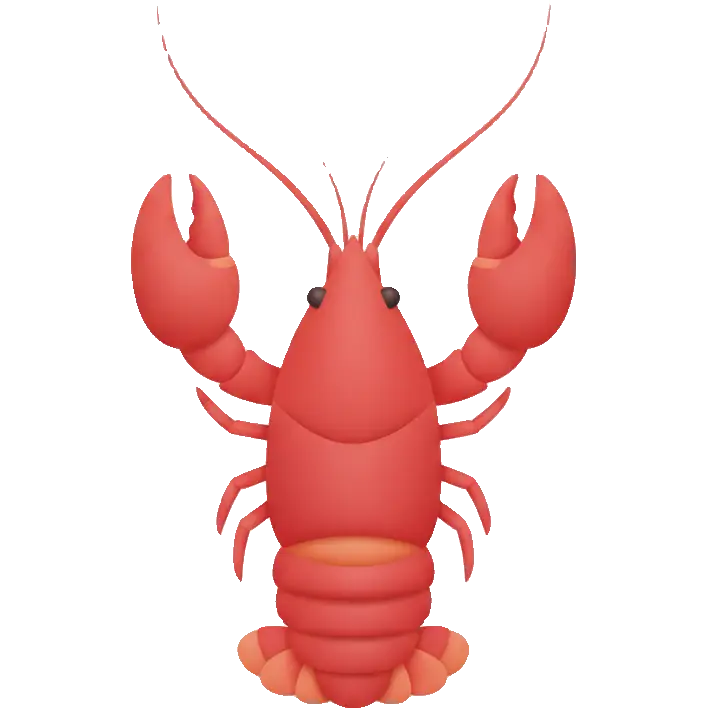
crayfish
Seafood
Is crayfish inflammation-compatible?
See whether crayfish fits an inflammation diet, with a clear compatible-or-avoid verdict plus its FODMAP, histamine and other trigger ratings in one place.
Related checkers
Compare crayfish across criteria
Sensitivity notes
Why inflammation diet checker matters
An anti-inflammatory diet focuses on foods that help reduce chronic inflammation in the body. It emphasizes fruits, vegetables, fatty fish, nuts, and whole grains while limiting processed foods, refined sugars, and certain oils.
- Focus on omega-3 rich foods like fatty fish, walnuts, and flaxseed
- Colorful fruits and vegetables provide anti-inflammatory antioxidants
- Extra virgin olive oil is a cornerstone of anti-inflammatory eating
- Limit refined sugars, processed foods, and industrial seed oils
- Turmeric and ginger are powerful anti-inflammatory spices
Sensitivities
What crayfish contains
FODMAPs
Histamine & Amines
Plant compounds
Irritants
Additives
Allergens
Diet fit
Where crayfish fits
Therapeutic diets
Lifestyle diets
Religious diets
What to know about crayfish
Crayfish are freshwater crustaceans, which means the shellfish allergen story that applies to prawns, crab and lobster applies here too: tropomyosin is shared across the whole crustacean group, so people who react to shrimp usually react to crayfish. On our chemistry grades the animal itself is mild, moderate on histamine and clean on salicylate, nickel, sulfite, glutamate and FODMAPs. The reason crayfish show up so often in symptom logs is how they are eaten. A Louisiana boil is pounds of tail meat that has been soaking in heavily seasoned water, and the seasoning brings cayenne, paprika, celery, mustard, garlic and onion into meat that is otherwise nightshade-free and fructan-free.
Watch for
- Tropomyosin is the dominant crustacean allergen and it is highly conserved, so crayfish, prawn, crab, lobster and langoustine cross-react as a group.Freshwater does not mean a different allergen: if crustaceans are off the list, crayfish are off the list
- The boil does more than the crayfish.Crab and crawfish boil blends are built on cayenne and paprika (nightshade), celery seed or celery salt, mustard, bay and garlic, and the pot usually also holds sausage, corn and potatoes. Crayfish are graded A on nightshade and A on fructans, so a boil reaction is very often the seasoning rather than the shellfish
- Crayfish absorb the boil liquid while they soak, which is the whole point of the technique.That means the seasoning is inside the tail meat, not just on the shell, and rinsing does not undo it
- The yellow paste in the head, the part people suck out and call the fat, is the hepatopancreas, the same organ as lobster tomalley.It is a filtering and storage organ and it concentrates cadmium and other contaminants far more than the tail muscle does
- Moderate in histamine (graded B), and it climbs fast in a crustacean that died before it was cooked.The old rule at boils, that a straight tail means it went into the pot dead and should be thrown away, is a freshness rule worth keeping



Explore related in Seafood
Compare similar foods to build a personalized list of swaps that work for your system.


Inflammation Guide
Everything you need to know about inflammation compatibility and smart food choices.
An anti-inflammatory diet focuses on foods that help reduce chronic inflammation in the body. It emphasizes fruits, vegetables, fatty fish, nuts, and whole grains while limiting processed foods, refined sugars, and certain oils.
These foods are typically compatible with a Inflammation approach:
View all safe options






Practical guidance for following a Inflammation diet:
- 1Focus on omega-3 rich foods like fatty fish, walnuts, and flaxseed
- 2Colorful fruits and vegetables provide anti-inflammatory antioxidants
- 3Extra virgin olive oil is a cornerstone of anti-inflammatory eating
- 4Limit refined sugars, processed foods, and industrial seed oils
- 5Turmeric and ginger are powerful anti-inflammatory spices
Pro tip: Keep a food diary to track your reactions. The Triggerbites app makes this easy with automatic pattern detection.
Want personalized tracking?
Download Triggerbites to log meals, track symptoms, and discover your unique triggers.
Get the AppFAQ
Does crayfish fit an inflammation diet?
Inflammation: mixed fit - check ingredients.
What if I eat it occasionally?
Keep portions small and verify ingredients.
What are safer swaps?
Compare within the Seafood group.