Foods containing gluten: the complete list, and where it hides
Gluten is in three grains. Everything else on the list is there because it contains one of them, or was made near them.
Gluten is in three grains: wheat, barley and rye. Everything else on a gluten list is there because it contains one of those three, or because it was made near them.
Bread and pasta are easy to spot. The trouble comes from the soy sauce, the stock cube and the sausage. Below is every ingredient our database grades as containing gluten, and the places it arrives without announcing itself.
The three grains, and their aliases
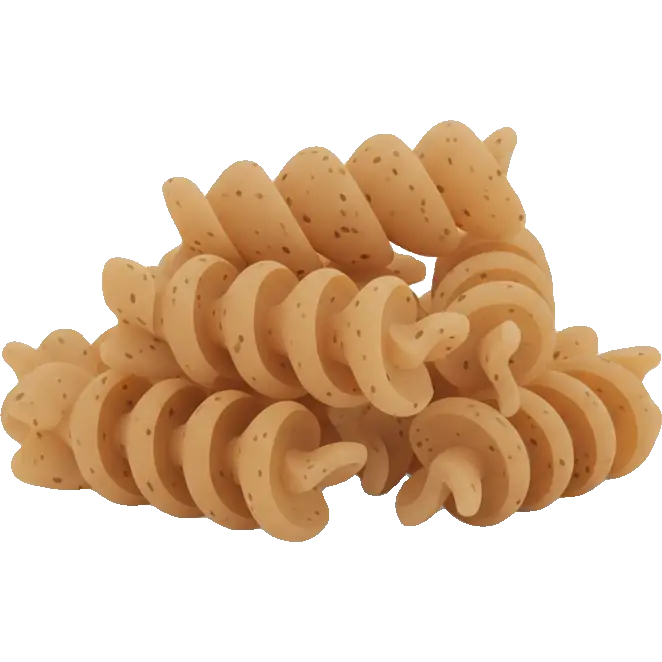
Wheat has more names than any other ingredient on a label. Durum, semolina, spelt, farro, emmer, einkorn, kamut, freekeh, bulgur, couscous and seitan are all wheat. Most of them sound like separate grains and none of them are.
Barley appears as malt, malt extract, malt vinegar and brewer's yeast. Rye is usually just rye, and it appears in bread and in some whiskeys.
Triticale, a wheat and rye hybrid, is rare but contains gluten by definition.
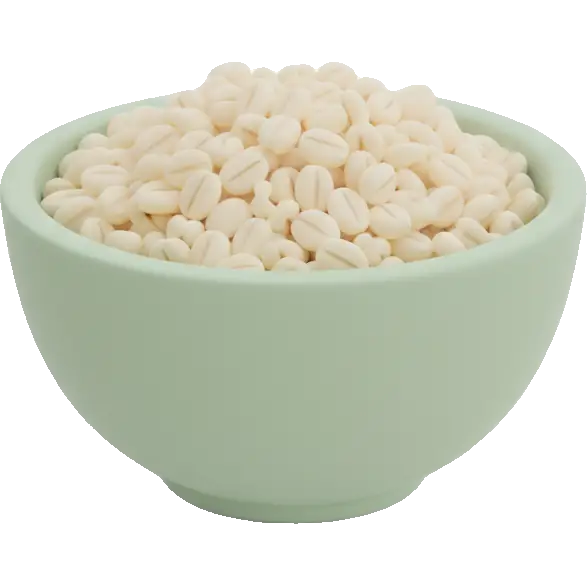
Oats contain no gluten themselves. They are usually grown and milled alongside wheat, so ordinary oats are contaminated and certified gluten-free oats are not. A minority of people with coeliac disease also react to avenin, the oat protein, which is why some specialists advise avoiding even certified oats at first.
The foods most people know about
These are the gluten sources people know best, plus two sauces that catch them out.


The complete list
Every food our database grades as containing gluten. Each one links to its own page.
| Food | Notes |
|---|---|
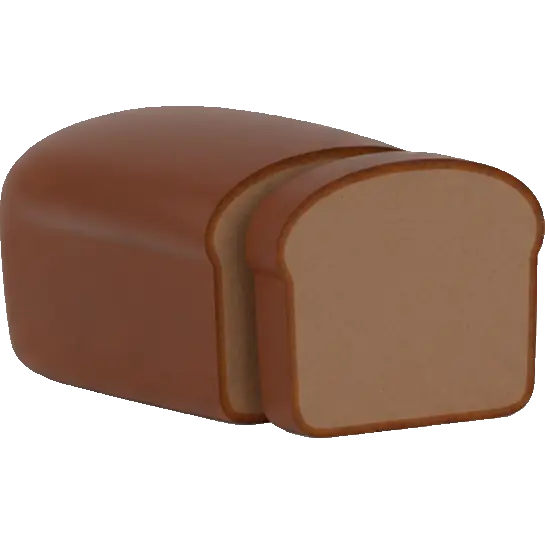
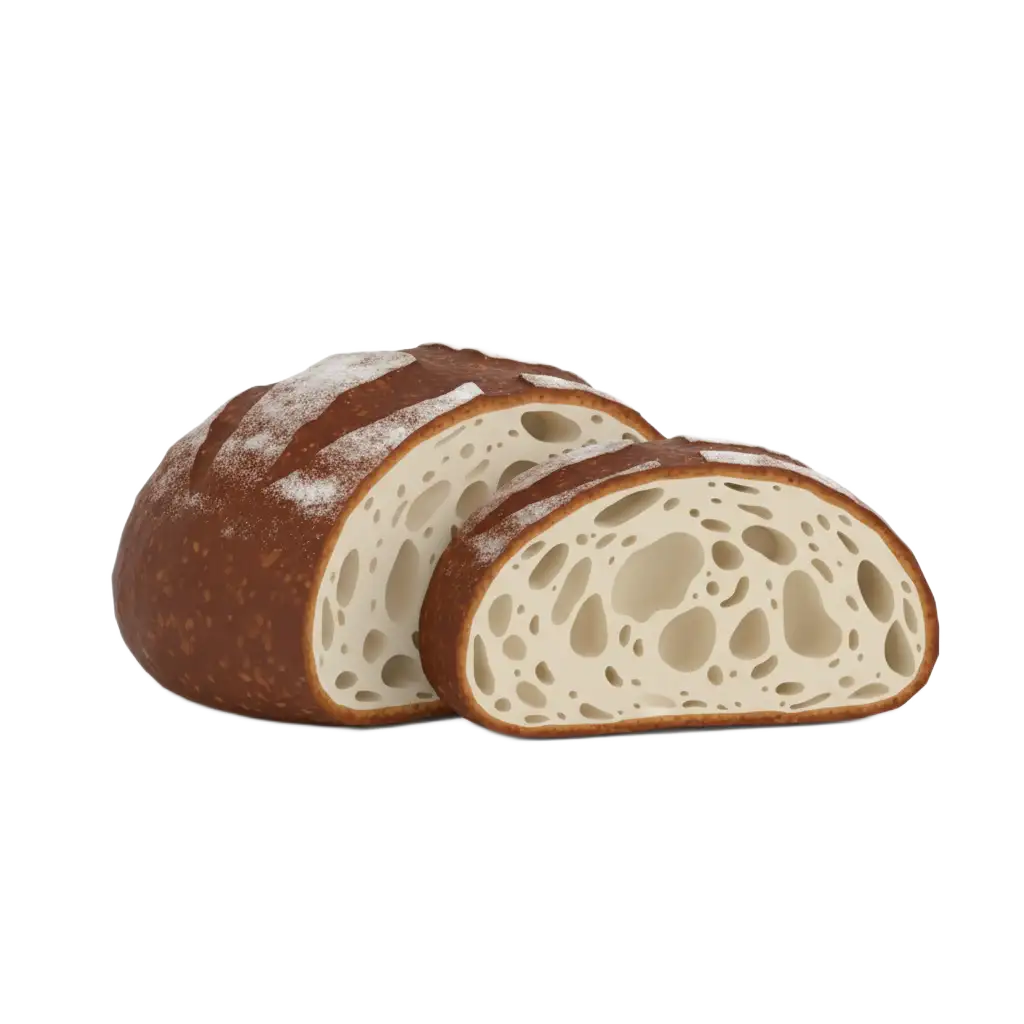
| BreadLevel: Avoid | Generic bread made from wheat flour. Contains gluten and moderate FODMAPs from wheat. The most common baked grain product. |
| OatsLevel: Moderate | Oats are a cereal grain from the oat plant. A hearty grain commonly eaten as oatmeal. |
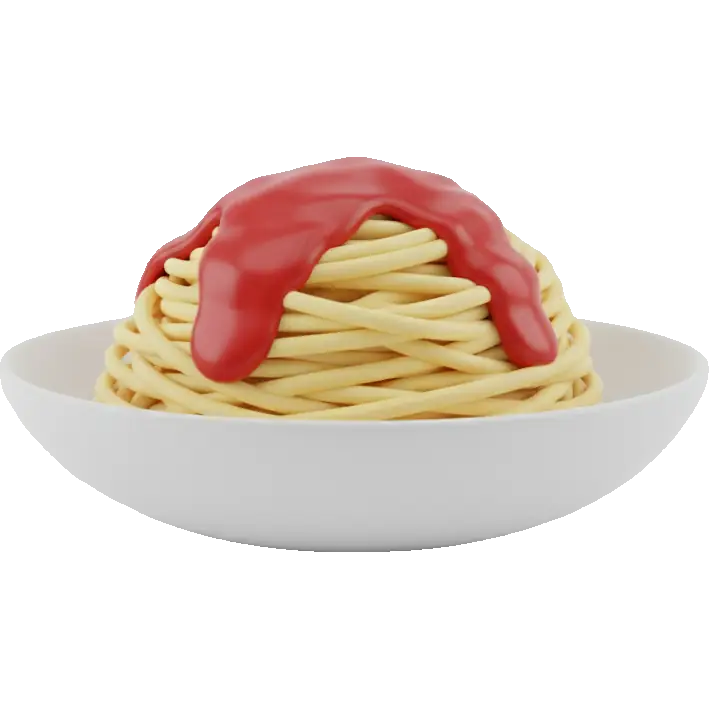
| SpaghettiLevel: Avoid | Wheat pasta; high in fructans at normal serves. Small ½-cup cooked portions can be tolerated for some on low-FODMAP. |
| Soy sauceLevel: Avoid | Soy sauce is fermented soybean liquid. A salty umami seasoning essential in Asian cooking. |
| Wheat flourLevel: Avoid | Contains gluten and wheat fructans; common trigger in IBS and coeliac disease. |
| WheatLevel: Avoid | Wheat is a cereal grain and global staple. The most widely grown crop used for flour. |
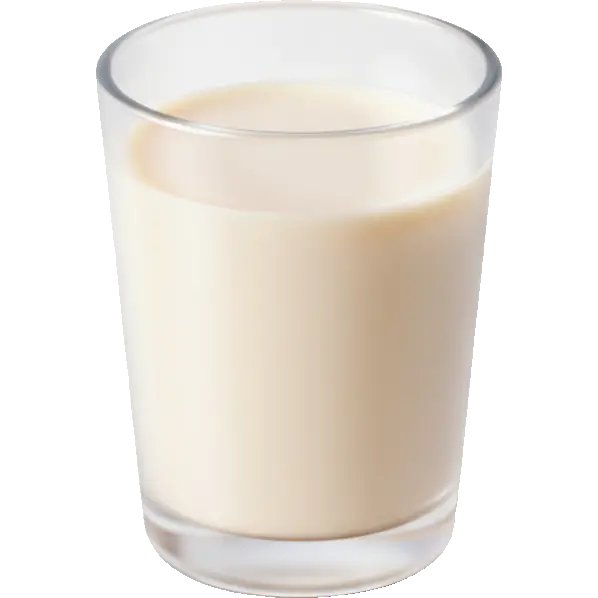
| Oat milkLevel: Moderate | Oat milk is plant-based oat beverage. A creamy slightly sweet dairy alternative. |
| GravyLevel: Avoid | Traditional gravies often contain wheat flour and onion/garlic; packet mixes may add MSG/sulfites. Gluten-free low-FODMAP versions exist. |
| Ranch dressingLevel: Moderate | Often contains buttermilk + garlic/onion powder; many brands are gluten-free but check labels. |
| BeerLevel: Avoid | Beer is a fermented grain beverage. An alcoholic drink made from malted barley and hops. |
| Flour tortillaLevel: Avoid | Wheat-based. Contains gluten and fructans. Not low FODMAP. |
| Whole wheat flourLevel: Avoid | Whole wheat is high in fructans and contains gluten. |
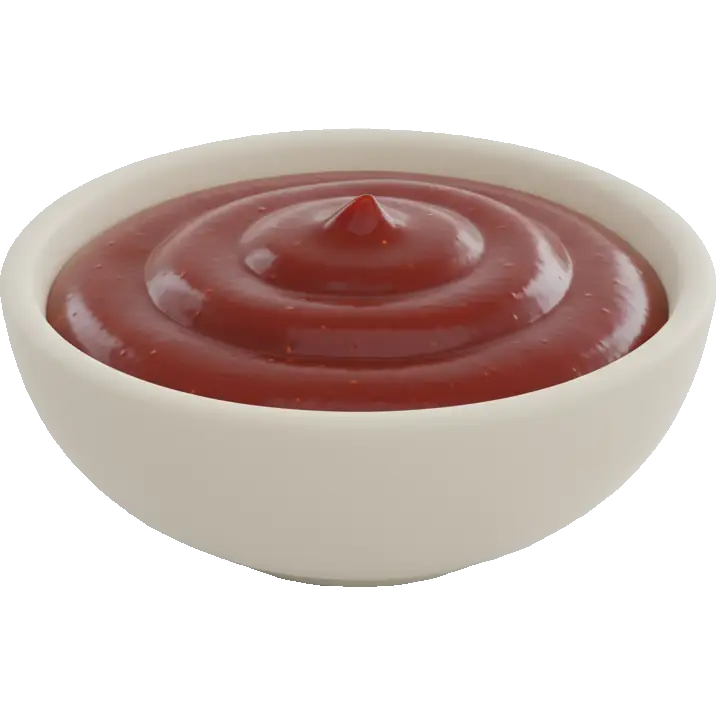
| Barbecue sauceLevel: Moderate | Brands vary; many contain onion/garlic (fructans) and HFCS. Some Monash-certified low FODMAP BBQ sauces exist—check labels for onion/garlic and wheat. |
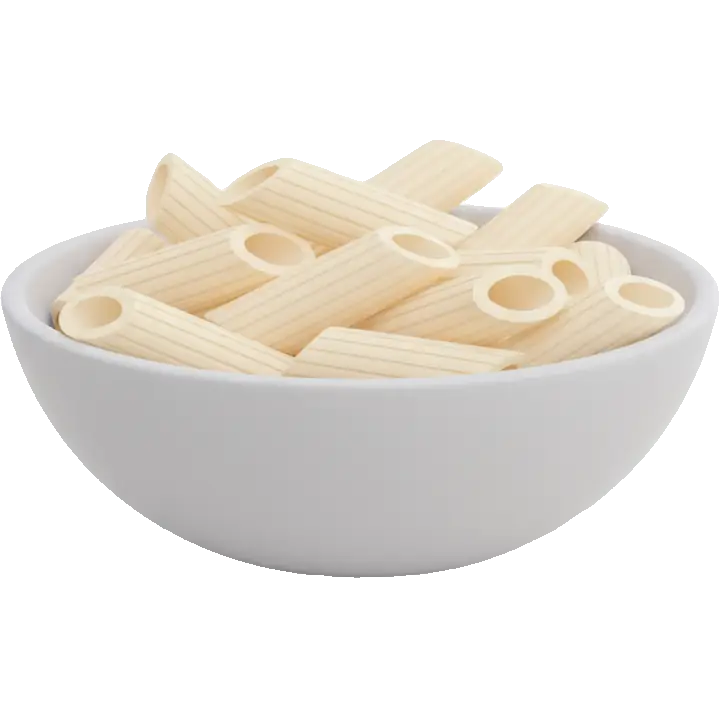
| PenneLevel: Avoid | Wheat pasta; high in fructans at standard serves. Gluten-free penne avoids gluten and reduces FODMAPs. |
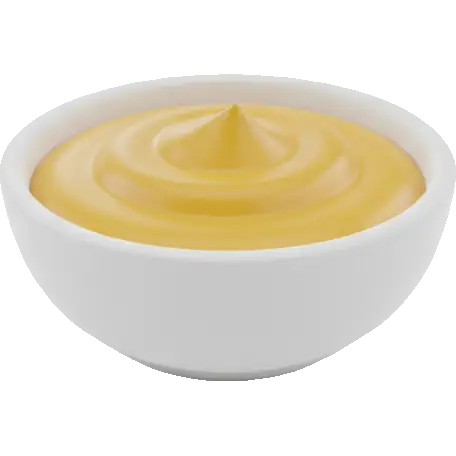
| Honey mustardLevel: Moderate | Often contains honey, vinegar, spices; some brands add wheat/dairy/garlic—check labels. |
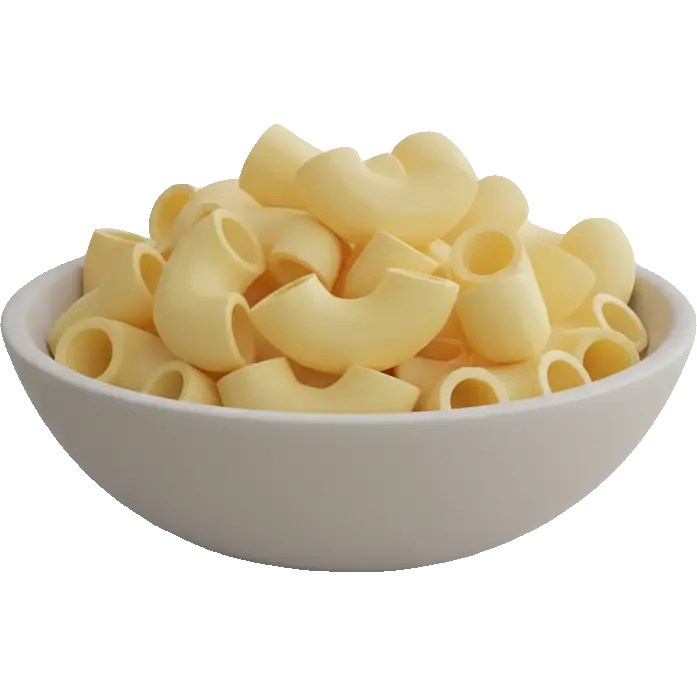
| MacaroniLevel: Avoid | Wheat pasta → gluten and high fructans at standard serves; choose GF pasta for low FODMAP/coeliac. |
| SeitanLevel: Avoid | Pure wheat gluten—catastrophic for celiac but paradoxically LOW FODMAP at ≤30g. Best plant protein for nickel allergy. Triggers mast cell histamine release. |
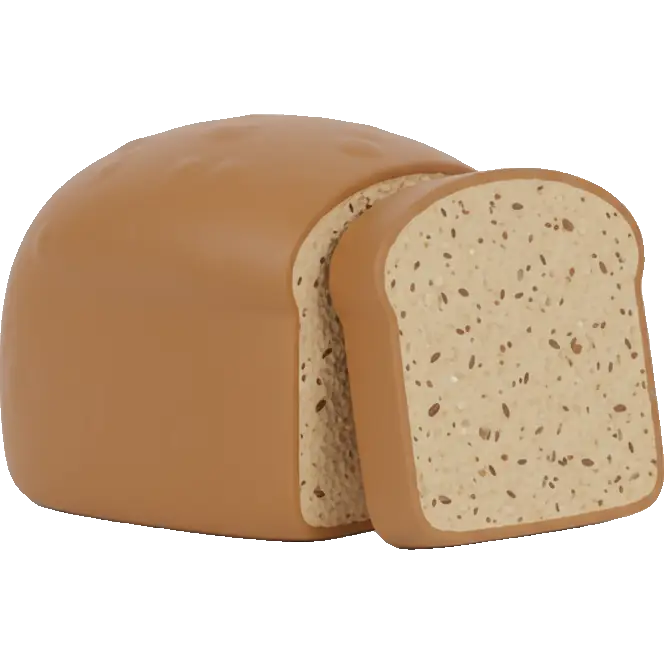
| Whole grain breadLevel: Avoid | Usually wheat-based → gluten + fructans. Gluten-free and sourdough options can be lower FODMAP in set serves. |
| Caesar dressingLevel: Moderate | Classic Caesar uses anchovy, egg yolk, Parmesan and garlic (fructans) → not vegan/vegetarian and often high FODMAP. Fish, egg & milk are major allergens. |
| MilkshakeLevel: Moderate | Typically milk + ice cream + syrup → high lactose and sugar. Choose lactose‑free/plant‑milk versions if needed. |
| Whole grain cerealLevel: Avoid | Varies by grain; many whole-grain cereals use wheat/bran (fructans). Choose GF options (oats, corn, rice, quinoa) and check portions. |
| Oyster sauceLevel: Avoid | Concentrated oyster extract + sugar + soy/wheat (often). High umami; many brands contain wheat—check labels. |
| Worcestershire sauceLevel: Moderate | Low-FODMAP in small serves but can contain barley malt vinegar (gluten) and anchovies; choose GF-labelled versions. |
| Angel hair pastaLevel: Avoid | Wheat pasta—contains gluten and fructans (high FODMAP). Gluten‑free versions can be low FODMAP depending on ingredients. |
| IpaLevel: Avoid | Hop-forward barley beer → gluten. Alcohol and carbonation can worsen IBS symptoms. |
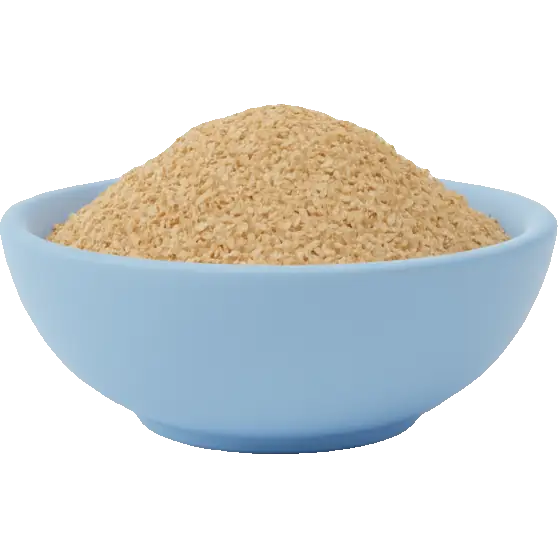
| SemolinaLevel: Avoid | Semolina is coarse durum wheat flour. A grainy flour used for pasta and couscous. |
| Meat-free minceLevel: Moderate | Meat-free ground mince from soy or pea protein; usually lower in fat than beef mince; check for wheat gluten binder. |
| Durum wheatLevel: Avoid | High‑fructan wheat; contains gluten. Limit during low‑FODMAP elimination. |
| Whole wheat bagelLevel: Avoid | Wheat flour = fructans + gluten. Portion sizes quickly exceed low-FODMAP thresholds. |
| Bulgur wheatLevel: Avoid | Cracked par‑boiled wheat → contains gluten; high in fructans (FODMAP) in standard serves. |
| OrzoLevel: Avoid | Wheat pasta shape → gluten; high in fructans at regular serves. |
| RelishLevel: Moderate | Typically cucumbers + vinegar + sugar + onions/spices; onion/garlic drive FODMAP; preservatives vary by brand. |
| Miso pasteLevel: Moderate | Fermented soy paste; low FODMAP in small serves. Can contain barley (gluten) depending on type. High in free glutamates and biogenic amines. |
| FettuccineLevel: Avoid | Standard wheat pasta contains gluten and is high in fructans; gluten‑free versions differ. |
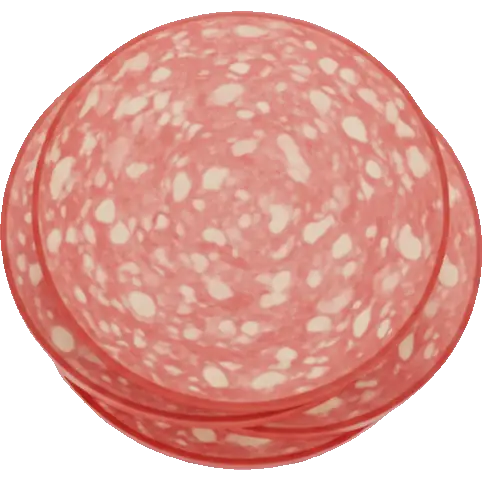
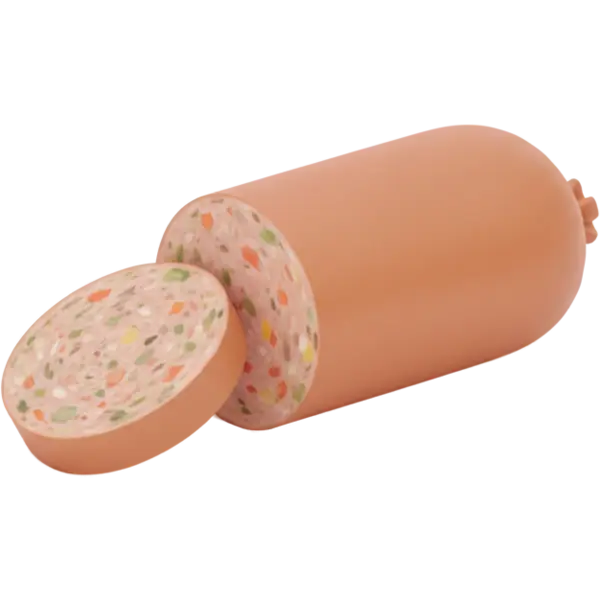
| Processed meatLevel: Moderate | Includes hot dogs sausages deli meats etc. |
| LagerLevel: Avoid | Barley beer → gluten. Monash lists beer as low FODMAP per standard serve, but alcohol/carbonation can aggravate IBS. |
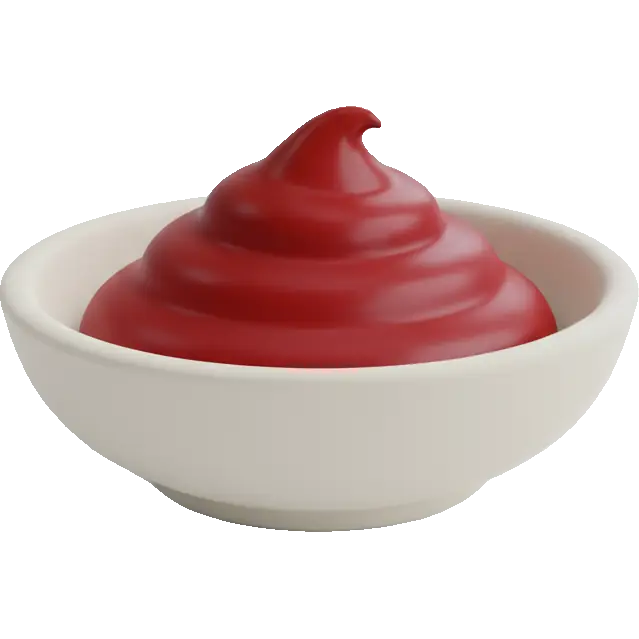
| Cocktail sauceLevel: Moderate | Ketchup + horseradish + spices; many versions include garlic/onion or HFCS—portion and brand matter. |
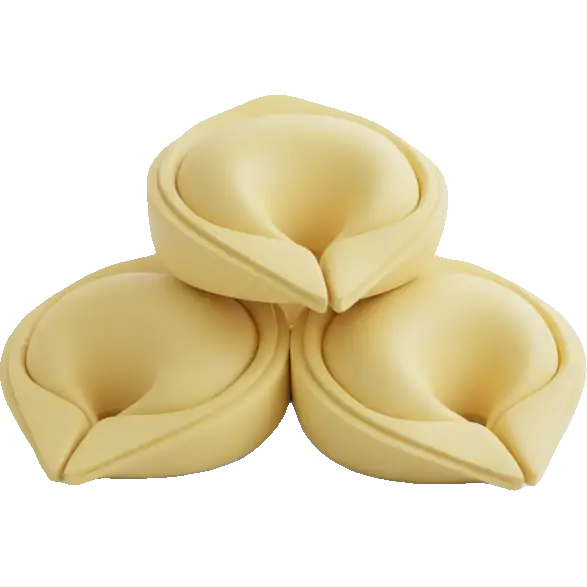
| TortelliniLevel: Avoid | Wheat pasta + cheese/meat filling → gluten + lactose. Choose GF, lactose-free versions if needed. |
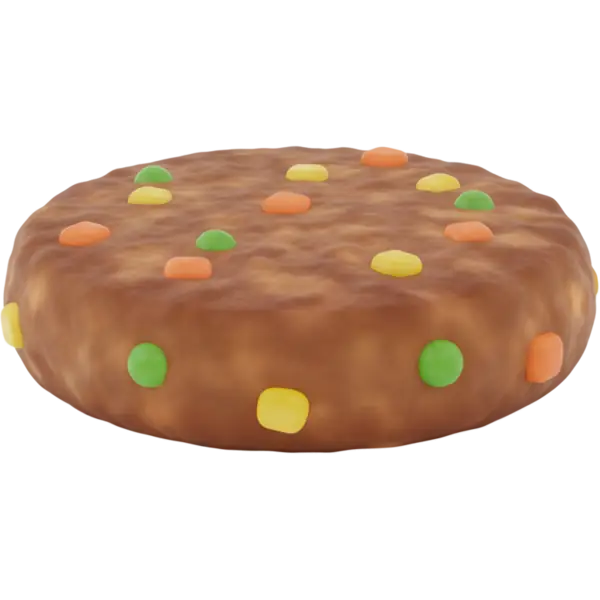
| Veggie pattyLevel: Moderate | Meat-free burger patty from beans soy or pea protein; check for egg or dairy binders and wheat gluten. |
| Horseradish sauceLevel: Moderate | Often mayo/cream-based with vinegar/sugar; many add onion/garlic—brand-dependent. |
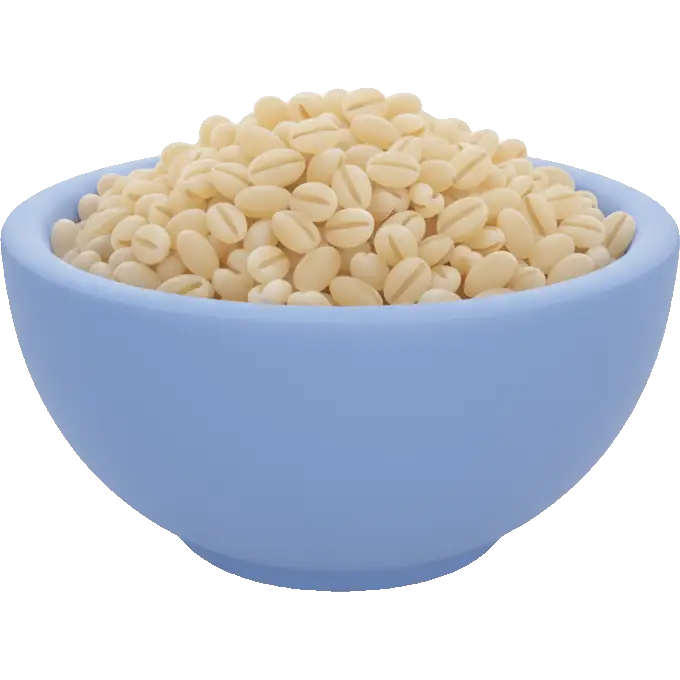
| BarleyLevel: Avoid | Barley is an ancient cereal grain. A chewy nutty grain for soups and beer. |
| PilsnerLevel: Avoid | Barley-based lager (gluten). Regular beers are generally low FODMAP in modest serves, but not suitable for celiac disease. Can contain histamine/tyramine; sulfites may be added. |
| Whole wheat pastaLevel: Avoid | Wheat pasta contains fructans; very small cooked portions can be tolerated by some during elimination, but standard serves are high FODMAP. |
| Sweet and sour sauceLevel: Moderate | Often includes onion/garlic, pineapple, ketchup; brands may add wheat (gluten) and preservatives—check labels. |
| Sesame dressingLevel: Moderate | Sesame dressing is Asian sesame-based sauce. A nutty tangy salad dressing. |
| Black bean sauceLevel: Avoid | Often contains fermented black soybeans, soy sauce (wheat) and garlic—problematic for gluten/FODMAP. Look for gluten-free recipes or certified low FODMAP brands. |
| Wheat branLevel: Avoid | Wheat bran is the outer layer of wheat kernels. A fiber-rich byproduct of flour milling. |
| Tartar sauceLevel: Moderate | Typically mayonnaise + pickles/capers + onion; some brands add dairy or wheat—check labels. |
| Refined grainsLevel: Avoid | Refined grains are processed grains with bran removed. Grains milled to remove fiber and nutrients. |
| Blue cheese dressingLevel: Moderate | Typically contains blue cheese + buttermilk/sour cream and often garlic/onion. FODMAP and lactose depend on brand; check labels. |
| Muesli cerealLevel: Moderate | Varies by recipe: oats + nuts + dried fruit often drive fructans/GOS/polyols; choose GF oats and low-FODMAP fruit. |
| CouscousLevel: Avoid | Semolina wheat granules; contains gluten and fructans. Some apps show only small 'amber' serves; generally avoid during elimination. |
| Sourdough breadLevel: Avoid | Wheat sourdough. Fermentation reduces fructans but still contains gluten. Small serves may be tolerated. |
| Veggie sausageLevel: Moderate | Meat-free sausage from soy or pea protein; no nitrites or animal fat; check for wheat gluten binder and added sulfites. |
| Pearl barleyLevel: Avoid | Contains gluten; barley is high in fructans—avoid for coeliac and during low‑FODMAP elimination. |
| French dressingLevel: Moderate | Recipe/brand dependent; can include onion/garlic, tomato/paprika, thickeners, dairy and preservatives. Check labels. |
| Teriyaki sauceLevel: Avoid | Usually soy sauce (wheat), mirin/sugar, garlic/ginger; higher in glutamates and often contains wheat → gluten. |
| Cream gravyLevel: Avoid | Usually made with wheat flour and milk/butter (plus pan drippings). Contains gluten and lactose; often onion/garlic too. |
| Oat branLevel: Moderate | Fiber‑dense; small serves can be tolerated; choose certified GF oat bran if gluten‑sensitive. |
| AleLevel: Avoid | Usually barley/malt based (contains gluten). Beer/ale are generally low FODMAP per serve but alcohol and carbonation can still trigger IBS; may contain histamine/biogenic amines. |
| FarroLevel: Avoid | Usually emmer/spelt; contains gluten and is high in fructans—limit on elimination. |
| Wheat germLevel: Avoid | Wheat germ is the nutrient-rich wheat embryo. A nutritious part of wheat kernel. |
| Flax milkLevel: Moderate | Varies by brand; often includes gums (gellan/guar) and added nutrients. Seed-based so not AIP. Check GF certification. |
| RyeLevel: Avoid | Rye is a cereal grain related to wheat. A hearty grain with distinctive tangy flavor. |
| GochujangLevel: Avoid | Fermented Korean chili paste (rice or wheat, soy). Nightshade-heavy; often contains gluten and is high in histamine/tyramine. |
| Barley teaLevel: Avoid | Roasted barley infusion; naturally caffeine-free but not gluten-free. Avoid in coeliac/NCGS unless verified gluten-free. |
| Cracked wheatLevel: Avoid | Cracked wheat/bulgur: contains gluten and is high in fructans; avoid on elimination. Gluten‑free alternatives: quinoa, rice, buckwheat. |
| Malt syrupLevel: Avoid | Made from barley; often contains gluten. High in fructans → not low FODMAP. Sweeter than sugar; use rice malt syrup instead if low FODMAP. |
| AperitifLevel: Moderate | Covers many pre‑dinner alcoholic drinks (vermouth, bitters, etc.). Alcohol can aggravate IBS; some are wine‑based and may contain sulfites/biogenic amines. |
| Barley groatsLevel: Avoid | Contains gluten (avoid in coeliac). Barley is high in fructans (FODMAP). Whole-grain barley is otherwise nutritious when tolerated. |
| FarinaLevel: Avoid | Refined wheat cereal (semolina/cream of wheat). High fructans and contains gluten. |
| Satay sauceLevel: Moderate | Satay sauce is peanut-based dipping sauce. A creamy Southeast Asian condiment. |
| Spelt flourLevel: Avoid | Ancient wheat—contains gluten and typically high FODMAP as flour. Sourdough spelt bread can be tolerated in limited serves due to fermentation. |
| StoutLevel: Avoid | Barley-based beer → gluten; alcohol can aggravate IBS; some brands may contain added sulfites. |
| White misoLevel: Moderate | Small servings can be low FODMAP; check label for barley/wheat (gluten). Fermented foods may contain biogenic amines. |
| Ponzu sauceLevel: Avoid | Citrus-soy condiment; regular soy sauce contains wheat (gluten) and is naturally high in glutamates. Some brands add bonito (fish), raising histamine. |
| Rye flourLevel: Avoid | Rye flour is ground rye grain. A dense flour used in breads like pumpernickel. |
| PorterLevel: Avoid | Barley-based beer → contains gluten. Usually low-FODMAP in typical serves, but may contain small sulfites. Alcohol can trigger histamine-like symptoms in some. |
| Rolled barleyLevel: Avoid | Rolled barley is flattened barley grains. A quick-cooking barley for cereals and baking. |
| FreekehLevel: Avoid | Cracked green wheat (contains gluten). High in fructans. Not allowed on AIP or EoE 6-FED (wheat). |
| Oat yogurtLevel: Moderate | Cultured oat milk; lactose-free; oats carry gluten cross-contact unless certified; higher FODMAP than other plant yogurts. |
| Korma pasteLevel: Moderate | Often includes onion/garlic, nuts, dairy/yogurt; some brands add wheat—check labels. |
| Barley maltLevel: Avoid | Sweet, malty extract from sprouted barley—contains gluten. Often used in cereals and breads; even small amounts can matter for coeliac unless labelled GF. |
| Kamut flourLevel: Avoid | Ancient wheat containing gluten; high in fructans—avoid for coeliac and low-FODMAP. |
| KvassLevel: Avoid | Traditional rye-bread ferment → gluten and likely higher fructans; varies by recipe. |
| EmmerLevel: Avoid | Ancient wheat (often marketed as farro). High in fructans and contains gluten. |
| Wheat germ oilLevel: Moderate | Oil itself has no FODMAPs. Generally protein-free (gluten-free) but cross-contact or trace protein can occur; choose certified GF if needed. |









Where gluten hides
Soy sauce. Traditionally brewed with wheat. Tamari is the wheat-free version, though not every tamari is, so the label still matters.
Stock cubes, gravy granules and bouillon. Wheat flour is a common thickener and carrier.
Processed meat. Sausages, burgers and meatballs often use breadcrumbs or wheat flour as a binder. Deli meats sometimes use wheat starch.
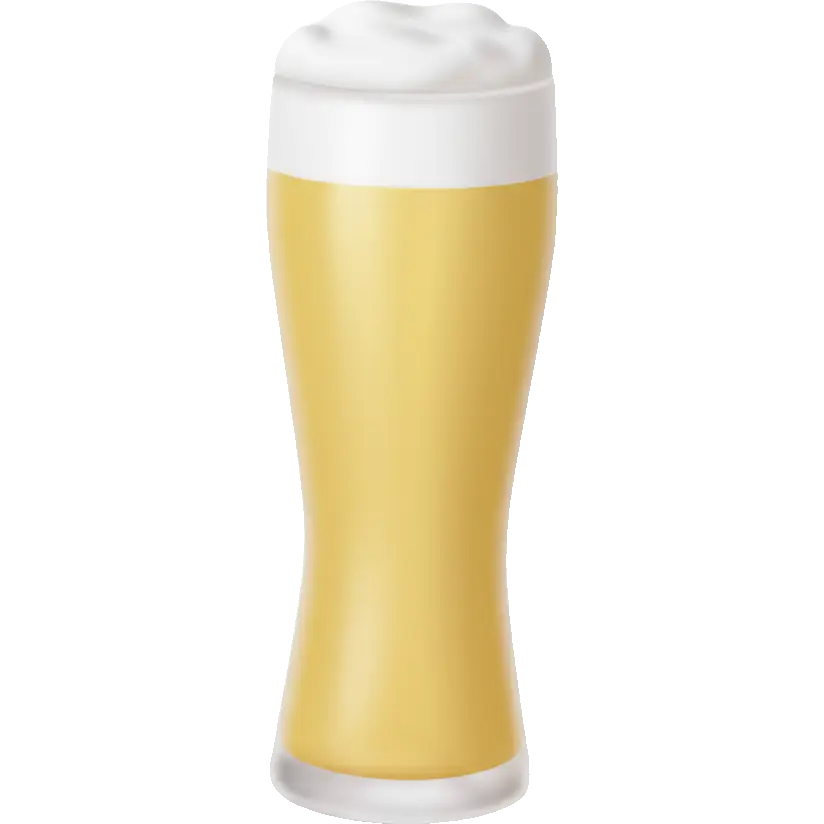
Beer. Made from barley. Most beer contains gluten. Gluten-removed beers are brewed with barley and treated afterwards, and coeliac organisations are cautious about them.
Sauces and dressings. Anything thickened, and many that are not: malt vinegar is barley, and it appears in condiments and crisps.
Communion wafers, some medications and some supplements use wheat starch as a binder.
Imitation crab, some crisps, some chocolate, liquorice, and many "seasoned" products. Seasoning blends frequently include wheat flour as a carrier.
Cross-contact, which no ingredient list shows
A shared toaster, a shared fryer, a wooden spoon used in a floury pan, flour dust in a bakery, the shared pasta water in a restaurant kitchen. None of it appears on a label, and for coeliac disease all of it matters.
"Certified gluten-free" means tested and audited, usually to 20 parts per million. "Gluten-free by ingredients" means someone read the recipe.
Coeliac disease, sensitivity, or fructans
Three different things send people to this list.
Coeliac disease is autoimmune, diagnosed by blood test and biopsy, and requires strict lifelong avoidance including cross-contact.
Non-coeliac gluten sensitivity is real as a symptom picture and unsettled as a mechanism. Several controlled studies, including a trial published in Gastroenterology, have found that fructans, a carbohydrate also in wheat, explain the symptoms where gluten does not.1
If fructans are the issue, sourdough, small portions and other fructan sources matter, and a gluten-free biscuit made from rice flour is not automatically fine. We cover it in high-fructan foods.
Get tested before you cut it. Coeliac testing requires you to be eating gluten. Going gluten-free first makes a diagnosis much harder to obtain, and this is the single most common mistake people make.
Check any food in seconds
The gluten checker grades any food in our database, and every food on this page links to its own page with the rest of what it carries.
Journal your day in 30 seconds, find your triggers.


Where Triggerbites fits in
Scan a barcode, say a brand name or photograph the ingredients label, and Triggerbites tells you what the product declares, checked against gluten, the other thirteen EU allergens and the diets you follow.
For a confirmed coeliac diagnosis that is a shopping aid, and it will never see cross-contact a label does not carry. The diary helps most with the reactions that keep happening on a strict diet. You type or say your day the way you'd tell a friend: "porridge with certified oats, a chicken wrap from the café and a Coke Zero for lunch, stir-fry with tamari for dinner, cramps and brain fog the next day". The app grades every ingredient for gluten and for fructans, and lines them up against your symptoms, including reactions that show up days later.
A written record of what you ate and where is what eventually points to the shared fryer, or to the fructans nobody was looking at. You can export it as a PDF for your gastroenterologist.




Triggerbites Features
- Log your day in 30 seconds: Text, voice or photo. Log as you go, or recap it all in the evening.
- Your food, broken down: Meals become ingredients and sensitivity profiles: histamine, salicylates, FODMAPs, allergens, and even the additives on packaged food.
- Everything in the same journal: Symptoms, supplements, sleep, stress, exercise and mood, beside what you ate.
- See what repeats over time: Patterns between what you eat and how you feel, including delayed reactions that show up days later.
Common questions
Which grains contain gluten?

Three: wheat, barley and rye, plus triticale which is a wheat and rye hybrid. Wheat appears under many names including durum, semolina, spelt, farro, kamut, bulgur, couscous and seitan. Barley appears as malt and malt vinegar.
Do flour tortillas have gluten?
Yes. Flour tortillas are made from wheat flour, so they contain gluten. Corn tortillas do not, provided they are made from corn alone and not a wheat and corn blend, which some brands use.
Are oats gluten-free?
Oats contain no gluten themselves but are usually grown and milled alongside wheat, so ordinary oats are contaminated. Certified gluten-free oats are not. A minority of people with coeliac disease also react to avenin, the oat protein.
Is soy sauce gluten-free?
Traditional soy sauce is brewed with wheat, so no. Tamari is the wheat-free version, though not every tamari is certified, so the label still matters. This is one of the commonest hidden sources.
What is cross-contact and why does it matter?
Gluten transferred from shared equipment: a toaster, a fryer, a wooden spoon, flour dust, shared pasta water. None of it appears on a label. For coeliac disease it matters as much as ingredients, which is why certified gluten-free and gluten-free by ingredients are different claims.
Should I go gluten-free before being tested for coeliac disease?
No, and this is the commonest mistake. Coeliac testing requires you to be eating gluten. Cutting it first makes a diagnosis much harder to get, and you may have to reintroduce it for weeks to be tested properly.
Live, love, log. 🧡
References
- 1Gastroenterology "Fructan, Rather Than Gluten, Induces Symptoms in Patients With Self-Reported Non-Celiac Gluten Sensitivity"PubMed
 PubMed
Article References and Citations
- Gastroenterology: "Fructan, Rather Than Gluten, Induces Symptoms in Patients With Self-Reported Non-Celiac Gluten Sensitivity" - https://pubmed.ncbi.nlm.nih.gov/29102613/