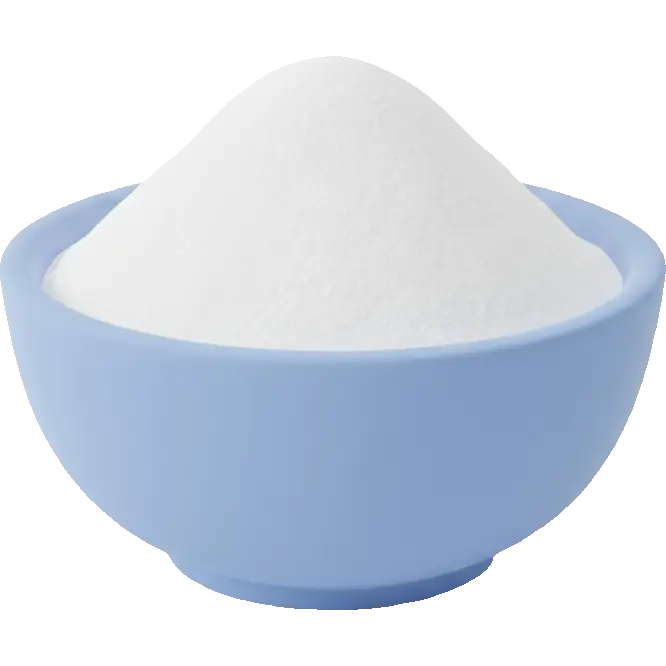
arrowroot flour
Additives & Leavening
Is arrowroot flour whole30-compatible?
See whether arrowroot flour fits a whole30 diet, with a clear compatible-or-avoid verdict plus its FODMAP, histamine and other trigger ratings in one place.
Related checkers
Compare arrowroot flour across criteria
Sensitivity notes
Why whole30 diet checker matters
Whole30 affects how your body responds to certain foods. Understanding your personal tolerance helps you make informed choices.
- Keep a detailed food and symptom diary to track your personal reactions
- Eliminate the suspected trigger completely for 2-4 weeks
- Reintroduce gradually to find your personal tolerance threshold
- Work with a healthcare provider or registered dietitian for guidance
- Remember that food sensitivities can change over time
Sensitivities
What arrowroot flour contains
FODMAPs
Histamine & Amines
Plant compounds
Irritants
Additives
Allergens
Diet fit
Where arrowroot flour fits
Therapeutic diets
Lifestyle diets
Religious diets
What to know about arrowroot flour
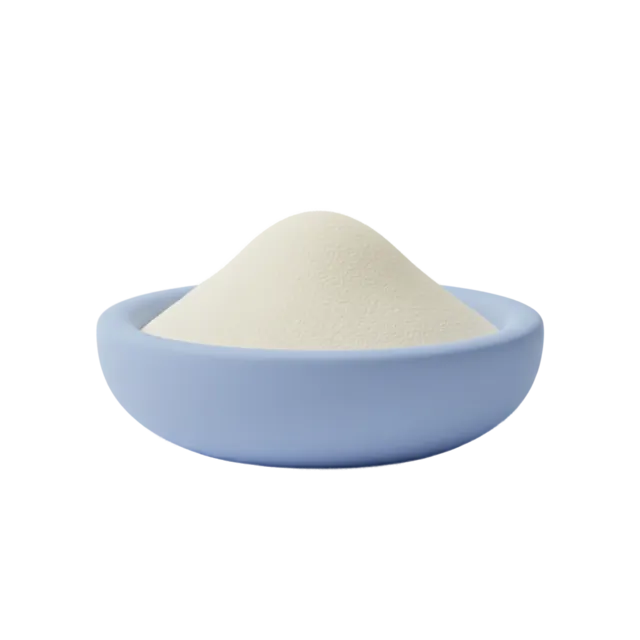
Arrowroot is one of the very few pantry staples that comes back clean on every single trigger column: A for gluten, all four FODMAP groups, histamine and histamine liberation, salicylate, oxalate, nickel, sulfite, nitrite, glutamate, lactose, dairy protein and nightshade, with nothing borderline anywhere. It is a starch extracted from the rhizome of Maranta arundinacea, a tropical tuber rather than a grain, which is why it clears paleo and AIP protocols where cornstarch does not. As a thickener it behaves differently from cornstarch in ways worth knowing: it sets at a lower temperature, finishes glossy and transparent instead of cloudy, and freezes and thaws without weeping, but it thins out if you boil it hard and turns unpleasantly slippery in dairy sauces.
Watch for
- Nothing is flagged.Every graded criterion comes back A, including the ones that catch most flours, so if a sauce thickened with arrowroot caused symptoms the trigger is far more likely to be the stock, the cream or the aromatics
- Buy on the label if you are coeliac.The tuber has no gluten, but arrowroot is milled and packed alongside wheat in some facilities, and cheap tins are sometimes cut with tapioca or potato starch without a clear declaration
- It cannot take a long boil.Add it as a slurry at the end and pull the pan off a rolling boil, because sustained heat breaks the gel and the sauce goes watery again on the plate
- It does not get on with dairy.In milk or cream sauces arrowroot turns slimy and stringy, which is a technique mismatch rather than a reaction to the ingredient
- It is nearly pure starch, so it contributes texture and effectively no fibre, protein or micronutrients.Treat it as a tool, not a nutrition addition

Explore related in Additives & Leavening
Compare similar foods to build a personalized list of swaps that work for your system.

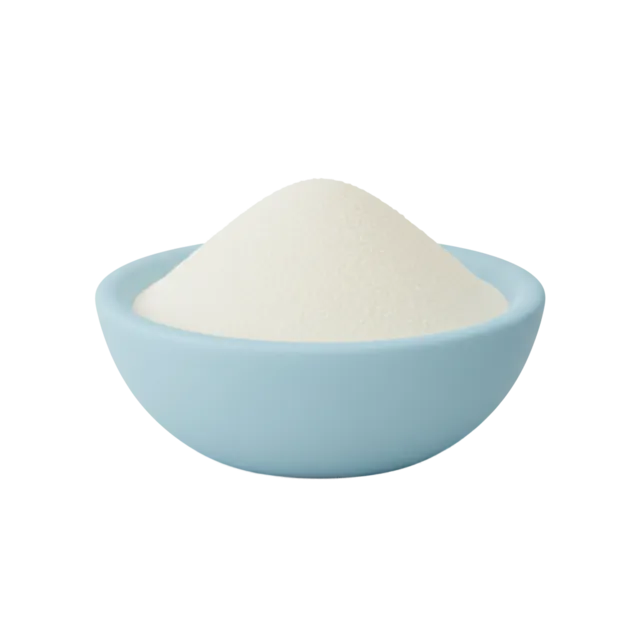
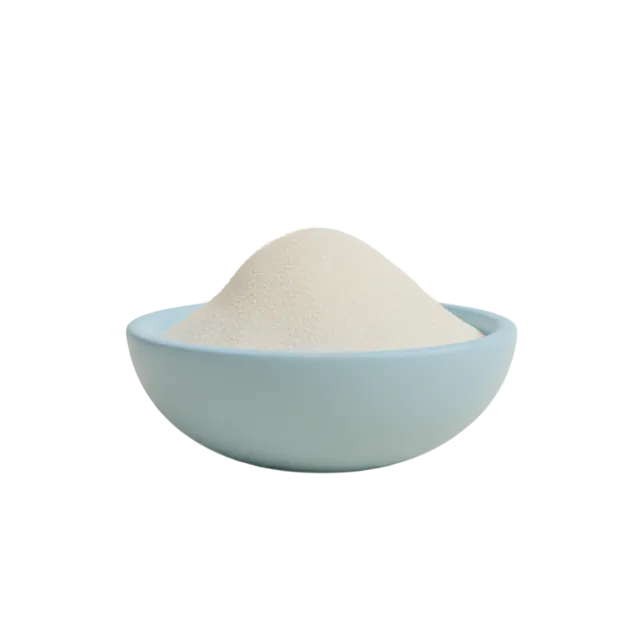
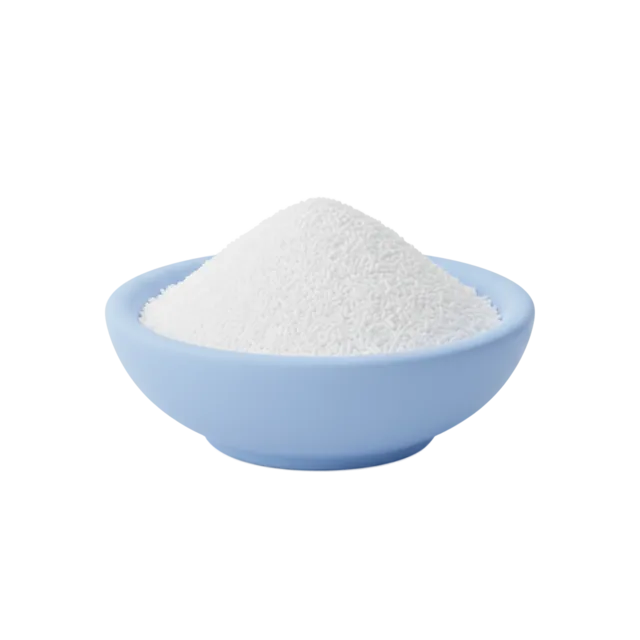
Whole30 Guide
Everything you need to know about whole30 compatibility and smart food choices.
Whole30 affects how your body responds to certain foods. Understanding your personal tolerance helps you make informed choices.
These foods are typically compatible with a Whole30 approach:
View all safe options







Practical guidance for following a Whole30 diet:
- 1Keep a detailed food and symptom diary to track your personal reactions
- 2Eliminate the suspected trigger completely for 2-4 weeks
- 3Reintroduce gradually to find your personal tolerance threshold
- 4Work with a healthcare provider or registered dietitian for guidance
- 5Remember that food sensitivities can change over time
Pro tip: Keep a food diary to track your reactions. The Triggerbites app makes this easy with automatic pattern detection.
Want personalized tracking?
Download Triggerbites to log meals, track symptoms, and discover your unique triggers.
Get the AppFAQ
Does arrowroot flour fit a whole30 diet?
Whole30: fits well for most plans.
What if I eat it occasionally?
Still check preparation and add-ins.
What are safer swaps?
Compare within the Additives & Leavening group.