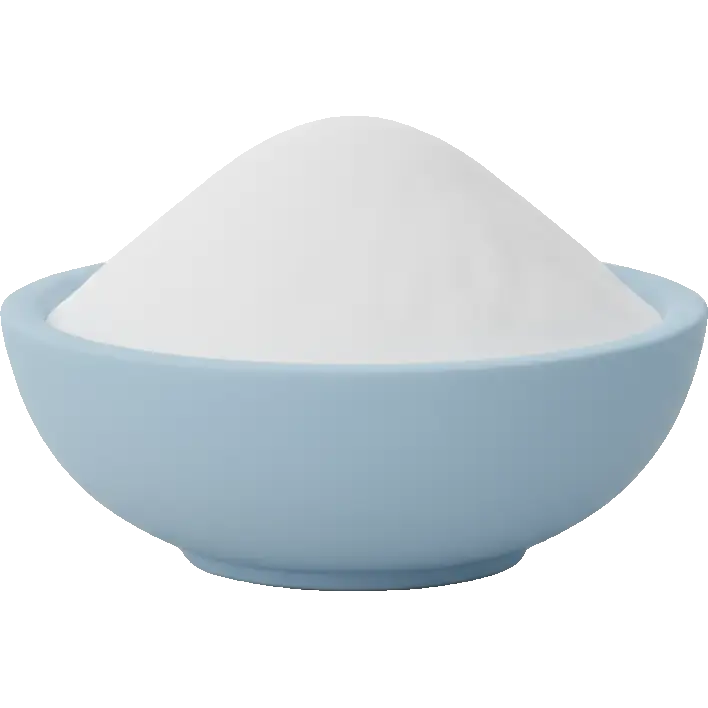
calcium carbonate
Additives & Leavening
Is calcium carbonate specific carbohydrate-compatible?
See whether calcium carbonate fits a specific carbohydrate diet, with a clear compatible-or-avoid verdict plus its FODMAP, histamine and other trigger ratings in one place.
Related checkers
Compare calcium carbonate across criteria
Sensitivity notes
Why specific carbohydrate diet checker matters
Specific Carbohydrate affects how your body responds to certain foods. Understanding your personal tolerance helps you make informed choices.
- Keep a detailed food and symptom diary to track your personal reactions
- Eliminate the suspected trigger completely for 2-4 weeks
- Reintroduce gradually to find your personal tolerance threshold
- Work with a healthcare provider or registered dietitian for guidance
- Remember that food sensitivities can change over time
Sensitivities
What calcium carbonate contains
FODMAPs
Histamine & Amines
Plant compounds
Irritants
Additives
Allergens
Diet fit
Where calcium carbonate fits
Therapeutic diets
Lifestyle diets
Religious diets
What to know about calcium carbonate
Calcium carbonate (E170) is purified limestone, and it is the most chemically boring thing on most ingredient lists. It grades A on every intolerance criterion this app tracks: no histamine, no salicylate, no FODMAP, no gluten, no dairy protein, no sulfite, no glutamate. If it is on a label near a reaction, it is almost certainly not the culprit. Where it does matter is dose and timing, because the same compound fortifying your oat milk is also the chalky antacid tablet, and at that scale it changes stomach acid, bowel habit and how well other things are absorbed.
Watch for
- At supplement or antacid doses it is a well known cause of constipation, and it fizzes with stomach acid to release carbon dioxide, so belching and upper-gut fullness after a big dose are the compound doing exactly what it does
- It needs stomach acid to dissolve, which is why it should be taken with food and why it works poorly for anyone on a proton pump inhibitor.Calcium citrate does not have that requirement
- It binds other things in the gut.Iron and zinc absorption drop when taken alongside it, and it interferes with levothyroxine, tetracycline and quinolone antibiotics, which is a spacing problem rather than a sensitivity one
- Graded E for AIP purely because elimination protocols exclude added mineral compounds on principle, not because of any measured trigger






Explore related in Additives & Leavening
Compare similar foods to build a personalized list of swaps that work for your system.

Specific Carbohydrate Guide
Everything you need to know about specific carbohydrate compatibility and smart food choices.
Specific Carbohydrate affects how your body responds to certain foods. Understanding your personal tolerance helps you make informed choices.








Practical guidance for following a Specific Carbohydrate diet:
- 1Keep a detailed food and symptom diary to track your personal reactions
- 2Eliminate the suspected trigger completely for 2-4 weeks
- 3Reintroduce gradually to find your personal tolerance threshold
- 4Work with a healthcare provider or registered dietitian for guidance
- 5Remember that food sensitivities can change over time
Pro tip: Keep a food diary to track your reactions. The Triggerbites app makes this easy with automatic pattern detection.
Want personalized tracking?
Download Triggerbites to log meals, track symptoms, and discover your unique triggers.
Get the AppFAQ
Does calcium carbonate fit a specific carbohydrate diet?
Specific Carbohydrate: fits well for most plans.
What if I eat it occasionally?
Still check preparation and add-ins.
What are safer swaps?
Compare within the Additives & Leavening group.