
bear
Meat
Is bear high in nitrites?
Is bear high or low in nitrites? See its exact rating, how much counts as a portion, and its FODMAP, salicylate, oxalate and diet compatibility in one place.
Related checkers
Compare bear across criteria
Sensitivity notes
Why nitrites food checker matters
Nitrites are preservatives commonly used in cured meats. Some people are sensitive to them, experiencing headaches, flushing, or other symptoms after consumption.
- Choose uncured or 'no nitrates/nitrites added' meat products
- Note that 'natural' nitrites from celery powder act the same way
- Fresh meat is nitrite-free
- Bacon, hot dogs, and deli meats are common sources
- Vegetables like celery and beets contain natural nitrates
Sensitivities
What bear contains
FODMAPs
Histamine & Amines
Plant compounds
Irritants
Additives
Allergens
Diet fit
Where bear fits
Therapeutic diets
Lifestyle diets
Religious diets
What to know about bear
Bear is the meat where the thermometer matters more than the trigger chart. On food chemistry it is quiet: fresh bear grades A on histamine, histamine liberation, tyramine, salicylate, oxalate, every FODMAP group, gluten, lactose, nickel, sulfites and nitrites, and its only middling grade is inflammation, which reflects how much fat a bear carries compared with deer or elk. The reason bear needs its own page is parasitic. Bear meat is behind most human trichinellosis in North America, and the strain it typically carries survives freezing, so the safety habit people transfer from pork does not work here.
Watch for
- Trichinella is the real hazard and it is not a food-chemistry trigger.Bear accounts for the majority of US trichinellosis cases, and recent outbreaks have come from bear jerky, kebabs and roasts served pink in the middle
- Freezing does not make bear safe.Trichinella nativa, the species usually found in bear, is freeze-resistant, and in one outbreak live larvae were recovered from black bear meat that had been frozen for more than fifteen weeks
- Cook it to an internal 165F (74C) checked with a probe, which is hotter than most people cook beef or even pork.Colour is useless as a guide in dark game meat, and dehydrator jerky rarely gets anywhere near that temperature
- Graded moderate rather than clean on inflammation, because bear is a genuinely fatty animal and much of that fat is rendered and kept as bear grease.It is also mammalian meat, so alpha-gal syndrome includes it

Explore related in Meat
Compare similar foods to build a personalized list of swaps that work for your system.
Nitrites Guide
Everything you need to know about nitrites sensitivity and smart food choices.
Nitrites are preservatives commonly used in cured meats. Some people are sensitive to them, experiencing headaches, flushing, or other symptoms after consumption.
Sensitivity varies widely. What triggers one person may be fine for another. Track your reactions to find your personal threshold.
These foods are generally well-tolerated for Nitrites sensitivity:
View all safe options







These foods have moderate levels and may be tolerated in small amounts:
These foods are high in nitrites and may trigger symptoms:
View full list
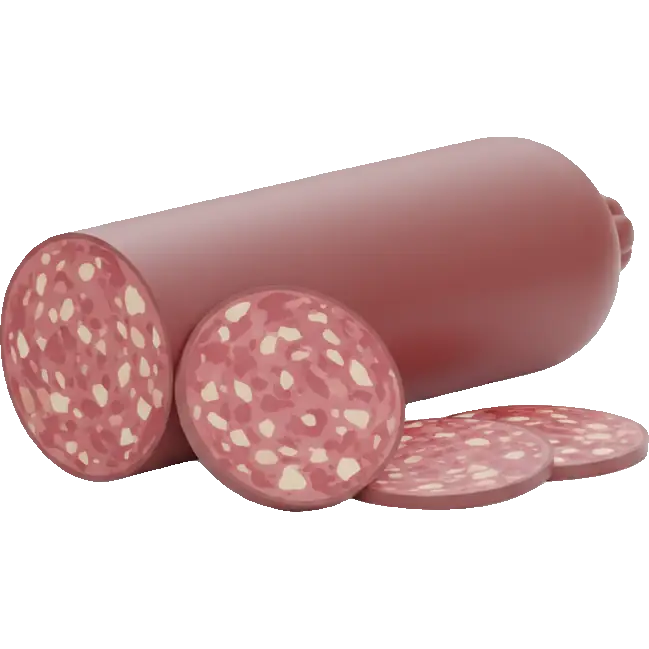

If you're sensitive to Nitrites, consider these strategies:
- 1Choose uncured or 'no nitrates/nitrites added' meat products
- 2Note that 'natural' nitrites from celery powder act the same way
- 3Fresh meat is nitrite-free
- 4Bacon, hot dogs, and deli meats are common sources
- 5Vegetables like celery and beets contain natural nitrates
Pro tip: Keep a food diary to track your reactions. The Triggerbites app makes this easy with automatic pattern detection.
Want personalized tracking?
Download Triggerbites to log meals, track symptoms, and discover your unique triggers.
Get the AppFAQ
Is bear high in Nitrites?
Nitrites: low signal for most people.
Can I still eat bear if I'm sensitive to Nitrites?
Usually fine in normal portions.
What else should I check?
Check Alpha-gal, Vegan, and Vegetarian next for a fuller picture.