
anchovy paste
Condiments & Sauces
Is anchovy paste high in nitrites?
Is anchovy paste high or low in nitrites? See its exact rating, how much counts as a portion, and its FODMAP, salicylate, oxalate and diet compatibility in one place.
Related checkers
Compare anchovy paste across criteria
Sensitivity notes
Why nitrites food checker matters
Nitrites are preservatives commonly used in cured meats. Some people are sensitive to them, experiencing headaches, flushing, or other symptoms after consumption.
- Choose uncured or 'no nitrates/nitrites added' meat products
- Note that 'natural' nitrites from celery powder act the same way
- Fresh meat is nitrite-free
- Bacon, hot dogs, and deli meats are common sources
- Vegetables like celery and beets contain natural nitrates
Sensitivities
What anchovy paste contains
FODMAPs
Histamine & Amines
Plant compounds
Irritants
Additives
Allergens
Diet fit
Where anchovy paste fits
Therapeutic diets
Lifestyle diets
Religious diets
What to know about anchovy paste
Anchovy paste is cured anchovy mashed with salt and oil, so it takes an already high-histamine food and concentrates it. It grades E for histamine, E for tyramine and E for free glutamate, one notch worse on the last two than whole anchovy fillets. The bigger issue is that most people do not eat it knowingly. A squeeze goes into Caesar dressing, puttanesca, tapenade, bagna cauda and the base of many braises, and anchovy is a listed ingredient in Worcestershire sauce, which then goes into everything from a Bloody Mary to a shepherds pie. If your histamine log has unexplained flare days built around Italian food, restaurant salad dressing or a savoury sauce you did not make, anchovy paste is the ingredient to go looking for.
Watch for
- Histamine E and tyramine E.The paste is more concentrated than the fillets, so a teaspoon can carry the amine load of several anchovies without tasting fishy in the finished dish
- Free glutamate E.This is the whole reason cooks reach for it, and it is also why glutamate-sensitive people sometimes react to a sauce that lists no MSG anywhere
- It is nearly invisible on a menu.Caesar dressing, puttanesca, tapenade and Worcestershire sauce all commonly contain anchovy, and none of them say so on the dish name
- Finned fish allergen, graded E on EoE compatibility, so it is a genuine risk rather than a preference issue if you avoid fish
- Sulfite C.Tubes and jars vary, and some add preservative on top of the salt cure





Explore related in Condiments & Sauces
Compare similar foods to build a personalized list of swaps that work for your system.
Nitrites Guide
Everything you need to know about nitrites sensitivity and smart food choices.
Nitrites are preservatives commonly used in cured meats. Some people are sensitive to them, experiencing headaches, flushing, or other symptoms after consumption.
Sensitivity varies widely. What triggers one person may be fine for another. Track your reactions to find your personal threshold.
These foods are generally well-tolerated for Nitrites sensitivity:
View all safe options







These foods have moderate levels and may be tolerated in small amounts:
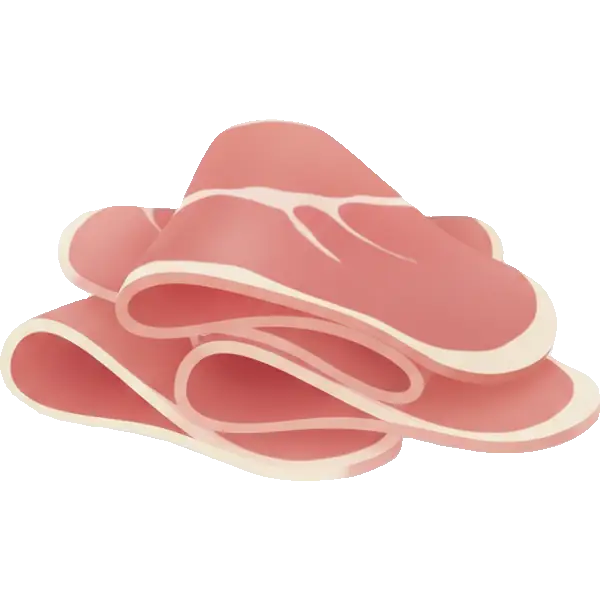
These foods are high in nitrites and may trigger symptoms:
View full list


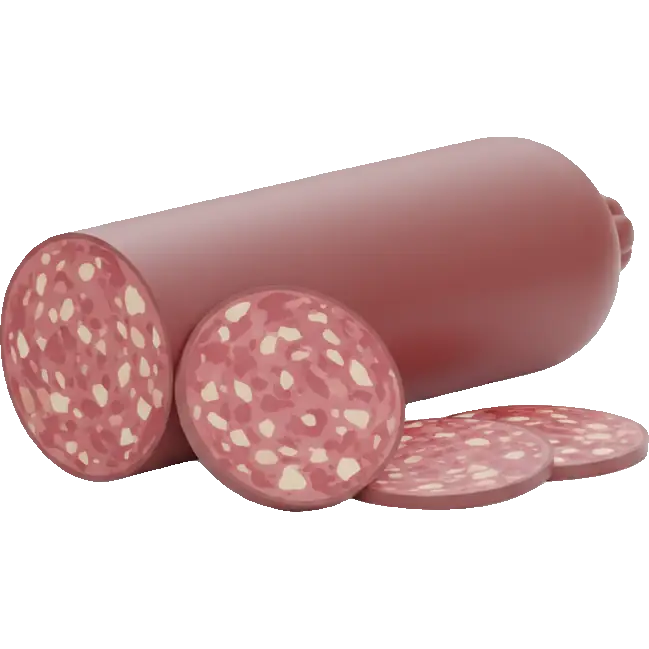

If you're sensitive to Nitrites, consider these strategies:
- 1Choose uncured or 'no nitrates/nitrites added' meat products
- 2Note that 'natural' nitrites from celery powder act the same way
- 3Fresh meat is nitrite-free
- 4Bacon, hot dogs, and deli meats are common sources
- 5Vegetables like celery and beets contain natural nitrates
Pro tip: Keep a food diary to track your reactions. The Triggerbites app makes this easy with automatic pattern detection.
Want personalized tracking?
Download Triggerbites to log meals, track symptoms, and discover your unique triggers.
Get the AppFAQ
Is anchovy paste high in Nitrites?
Nitrites: low signal for most people.
Can I still eat anchovy paste if I'm sensitive to Nitrites?
Usually fine in normal portions.
What else should I check?
Check Histamine, Fish, and Glutamates next for a fuller picture.