pumpkin seed oil
Oils & Fats
Is pumpkin seed oil high in mustard?
Is pumpkin seed oil high or low in mustard? See its exact rating, how much counts as a portion, and its FODMAP, salicylate, oxalate and diet compatibility in one place.
Related checkers
Compare pumpkin seed oil across criteria
Sensitivity notes
Why mustard food checker matters
Mustard affects how your body responds to certain foods. Understanding your personal tolerance helps you make informed choices.
- Keep a detailed food and symptom diary to track your personal reactions
- Eliminate the suspected trigger completely for 2-4 weeks
- Reintroduce gradually to find your personal tolerance threshold
- Work with a healthcare provider or registered dietitian for guidance
- Remember that food sensitivities can change over time
Sensitivities
What pumpkin seed oil contains
FODMAPs
Histamine & Amines
Plant compounds
Irritants
Additives
Allergens
Diet fit
Where pumpkin seed oil fits
Therapeutic diets
Lifestyle diets
Religious diets
What to know about pumpkin seed oil
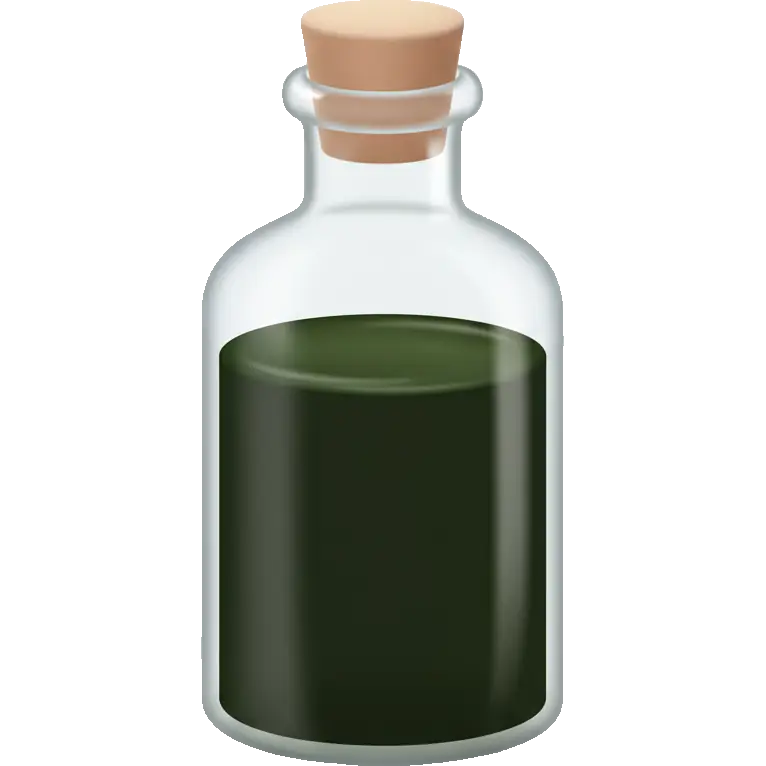
Pumpkin seed oil is the near-black, intensely nutty Styrian oil pressed from roasted hull-less pumpkin seeds, and it is one of the rare cases where the oil is meaningfully safer than the seed it comes from. Pumpkin seeds are graded E for oxalate and C for nickel; the oil is graded A for both, because oxalate and trace minerals stay behind in the protein-rich press cake rather than travelling into the fat. It is otherwise clean across the board: A for histamine, histamine liberation, salicylates, sulfites, glutamates, gluten, dairy protein and every FODMAP group, with a B on the anti-inflammatory scale and an A for both DASH and Mediterranean, the best diet-pattern scores of any oil in this group. The one hard rule is that it is a finishing oil. Heat destroys it.
Watch for
- The oxalate and nickel gap is the useful part.If you avoid pumpkin seeds because of kidney stones or a nickel-restricted diet, the oil is graded A on both where the seeds are graded E and C, since those compounds partition into the press cake and not the oil. That makes it a genuine way back to the flavour
- Never cook with it.Pumpkin seed oil turns bitter and loses its colour and aroma with sustained heat, so it belongs on soup, salad, roasted vegetables or vanilla ice cream after cooking, not in the pan
- Widely adulterated.Cheaper bottles are cut with sunflower or rapeseed oil and sold under the same name. Steirisches Kurbiskernol g.g.A. is the protected designation for the genuine Styrian article. A blended bottle means your diary entry is recording an oil you did not actually eat
- It oxidises easily, which is why it ships in dark glass.Keep it cool and sealed and use it within months of opening; rancid pumpkin seed oil tastes sharp and acrid rather than nutty, and that is when people blame it for symptoms
- The deep green comes from chlorophyll and carotenoids in the roasted seeds and is so intense the oil looks red in a thin film and green in the bottle.Colour is a freshness and authenticity cue, not a trigger


Explore related in Oils & Fats
Compare similar foods to build a personalized list of swaps that work for your system.
Mustard Guide
Everything you need to know about mustard sensitivity and smart food choices.
Mustard affects how your body responds to certain foods. Understanding your personal tolerance helps you make informed choices.
Sensitivity varies widely. What triggers one person may be fine for another. Track your reactions to find your personal threshold.
These foods are generally well-tolerated for Mustard sensitivity:
View all safe options







These foods have moderate levels and may be tolerated in small amounts:

These foods are high in mustard and may trigger symptoms:


If you're sensitive to Mustard, consider these strategies:
- 1Keep a detailed food and symptom diary to track your personal reactions
- 2Eliminate the suspected trigger completely for 2-4 weeks
- 3Reintroduce gradually to find your personal tolerance threshold
- 4Work with a healthcare provider or registered dietitian for guidance
- 5Remember that food sensitivities can change over time
Pro tip: Keep a food diary to track your reactions. The Triggerbites app makes this easy with automatic pattern detection.
Want personalized tracking?
Download Triggerbites to log meals, track symptoms, and discover your unique triggers.
Get the AppFAQ
Is pumpkin seed oil high in Mustard?
Mustard: low signal for most people.
Can I still eat pumpkin seed oil if I'm sensitive to Mustard?
Usually fine in normal portions.
What else should I check?
Check AIP, Gastroparesis Diet, and Inflammation next for a fuller picture.