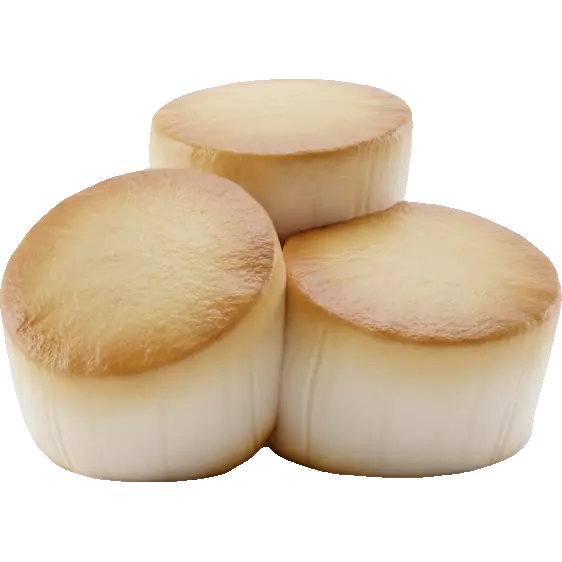
scallops
Seafood
Is scallops mediterranean-compatible?
See whether scallops fits a mediterranean diet, with a clear compatible-or-avoid verdict plus its FODMAP, histamine and other trigger ratings in one place.
Related checkers
Compare scallops across criteria
Sensitivity notes
Why mediterranean diet checker matters
The Mediterranean diet is based on traditional foods from countries bordering the Mediterranean Sea. It emphasizes olive oil, fish, vegetables, whole grains, and moderate wine consumption while limiting red meat and processed foods.
- Make olive oil your primary fat source
- Eat fish at least twice per week
- Enjoy meals with family and friends - it's part of the lifestyle
- Red wine in moderation (optional) with meals
- Limit red meat to a few times per month
Sensitivities
What scallops contains
FODMAPs
Histamine & Amines
Plant compounds
Irritants
Additives
Allergens
Diet fit
Where scallops fits
Therapeutic diets
Lifestyle diets
Religious diets
What to know about scallops
Scallops are a bivalve mollusc, in the same allergen family as clams, mussels and oyster, and they grade borderline (C) for histamine, borderline (C) for nickel and a hard E for eosinophilic oesophagitis. What separates them from every other shellfish in your log happens before you buy them. Most scallops sold in supermarkets are "wet" scallops, soaked in a sodium tripolyphosphate solution that makes them take on water, hold a bright opaque white and weigh noticeably more than they should. "Dry" or chemical free scallops are untreated and look duller and creamier. If scallops have ever tasted faintly soapy, sat in milky liquid or refused to brown in a screaming hot pan, that phosphate soak is the usual explanation, not the shellfish.
Watch for
- Wet scallops are soaked in sodium tripolyphosphate.They weep liquid, steam rather than sear and can leave a soapy or slightly bitter aftertaste. Ask the counter for dry or chemical free scallops before you conclude you react to scallops themselves
- Graded C for histamine, so cold chain is the variable.Scallops are usually shucked at sea and only the adductor muscle is eaten, which helps, but a batch that was thawed and re chilled climbs
- Unlike shrimp and prawns, which grade D for sulfites because of the anti blackening dips used on crustaceans, scallops grade A for sulfites.The additive to look for on a scallop label is a phosphate, not a sulfite
- Graded C for nickel, worth logging if you have systemic nickel allergy and already suspect other shellfish
- Not compatible with an eosinophilic oesophagitis elimination diet (E).Molluscs sit inside the shellfish group whatever the cooking method

Explore related in Seafood
Compare similar foods to build a personalized list of swaps that work for your system.
Mediterranean Guide
Everything you need to know about mediterranean compatibility and smart food choices.
The Mediterranean diet is based on traditional foods from countries bordering the Mediterranean Sea. It emphasizes olive oil, fish, vegetables, whole grains, and moderate wine consumption while limiting red meat and processed foods.
These foods are typically compatible with a Mediterranean approach:
View all safe options







Practical guidance for following a Mediterranean diet:
- 1Make olive oil your primary fat source
- 2Eat fish at least twice per week
- 3Enjoy meals with family and friends - it's part of the lifestyle
- 4Red wine in moderation (optional) with meals
- 5Limit red meat to a few times per month
Pro tip: Keep a food diary to track your reactions. The Triggerbites app makes this easy with automatic pattern detection.
Want personalized tracking?
Download Triggerbites to log meals, track symptoms, and discover your unique triggers.
Get the AppFAQ
Does scallops fit a mediterranean diet?
Mediterranean: fits well for most plans.
What if I eat it occasionally?
Still check preparation and add-ins.
What are safer swaps?
Compare within the Seafood group.