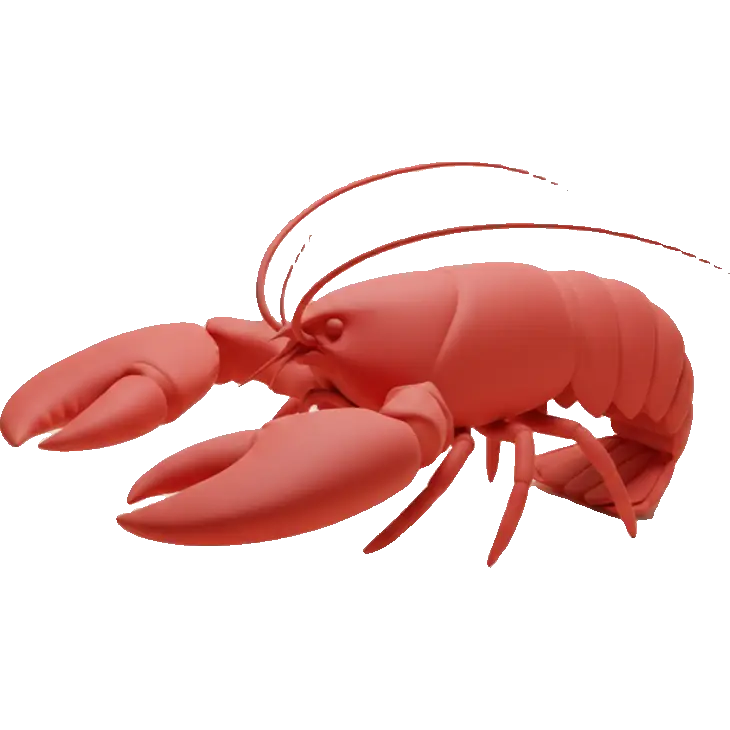
lobster
Seafood
Is lobster mediterranean-compatible?
See whether lobster fits a mediterranean diet, with a clear compatible-or-avoid verdict plus its FODMAP, histamine and other trigger ratings in one place.
Related checkers
Compare lobster across criteria
Sensitivity notes
Why mediterranean diet checker matters
The Mediterranean diet is based on traditional foods from countries bordering the Mediterranean Sea. It emphasizes olive oil, fish, vegetables, whole grains, and moderate wine consumption while limiting red meat and processed foods.
- Make olive oil your primary fat source
- Eat fish at least twice per week
- Enjoy meals with family and friends - it's part of the lifestyle
- Red wine in moderation (optional) with meals
- Limit red meat to a few times per month
Sensitivities
What lobster contains
FODMAPs
Histamine & Amines
Plant compounds
Irritants
Additives
Allergens
Diet fit
Where lobster fits
Therapeutic diets
Lifestyle diets
Religious diets
What to know about lobster
Is lobster high in histamine? It grades moderate rather than high, and it does not liberate your own histamine at all. Lobster also grades clean on gluten, lactose, dairy protein, salicylates, glutamates, nitrites, lectins, nightshades and, unlike prawns, on sulfites. The two things that genuinely matter with lobster are not on the chemistry columns at all. It is a crustacean, which makes it one of the major labelled food allergens and ties it to crab, prawn and crayfish through a single shared protein. And it comes with tomalley, the soft green organ in the body cavity that carries its own public health advisory. Nickel grades moderate as a third, quieter consideration.
Watch for
- Crustacean allergy usually covers the whole group at once.The major lobster allergen is tropomyosin, and the lobster version is almost identical to the shrimp version at the sites that IgE antibodies bind, which is why people allergic to prawns very often react to lobster, crab and crayfish too. Tropomyosin is heat stable and water soluble, so cooked lobster, the boiling water and the steam coming off the pot can all carry it.
- Skip the tomalley.The soft green paste in the body cavity is the hepatopancreas, the organ that does the work of a liver and a pancreas, and it concentrates what the animal filters. The FDA has advised against eating American lobster tomalley because it can carry paralytic shellfish poisoning toxins at levels the tail and claw meat do not, and cooking does not destroy them. The muscle meat is a separate question from the tomalley.
- Moderate histamine, and the reason lobster is sold live is exactly this.Crustacean flesh builds biogenic amines quickly once the animal dies, so a lobster cooked live is the low histamine version. Pre-cooked frozen meat, a lobster roll that sat on a counter and a bisque built from yesterday shells are where the amines are.
- Moderate nickel.Shellfish is one of the higher nickel protein groups, which is a real consideration if you are working through a systemic nickel allergy protocol and not something the average eater needs to think about.
- The trimmings usually outweigh the lobster.Drawn butter brings dairy, a lobster roll brings a wheat bun and mayonnaise, and a bisque brings cream plus sherry or brandy, which carry their own histamine and sulfite load. If a lobster meal caused symptoms, work through those before blaming the meat.






Explore related in Seafood
Compare similar foods to build a personalized list of swaps that work for your system.


Mediterranean Guide
Everything you need to know about mediterranean compatibility and smart food choices.
The Mediterranean diet is based on traditional foods from countries bordering the Mediterranean Sea. It emphasizes olive oil, fish, vegetables, whole grains, and moderate wine consumption while limiting red meat and processed foods.
These foods are typically compatible with a Mediterranean approach:
View all safe options







Practical guidance for following a Mediterranean diet:
- 1Make olive oil your primary fat source
- 2Eat fish at least twice per week
- 3Enjoy meals with family and friends - it's part of the lifestyle
- 4Red wine in moderation (optional) with meals
- 5Limit red meat to a few times per month
Pro tip: Keep a food diary to track your reactions. The Triggerbites app makes this easy with automatic pattern detection.
Want personalized tracking?
Download Triggerbites to log meals, track symptoms, and discover your unique triggers.
Get the AppFAQ
Does lobster fit a mediterranean diet?
Mediterranean: fits well for most plans.
What if I eat it occasionally?
Still check preparation and add-ins.
What are safer swaps?
Compare within the Seafood group.