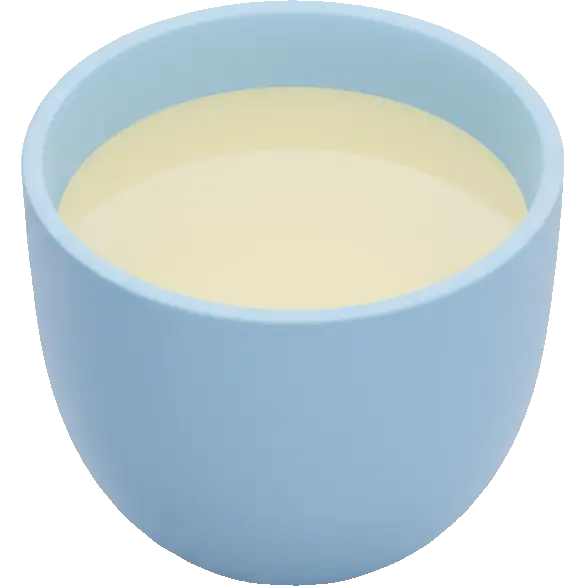
white tea
Beverages
Is white tea high in histamine?
Is white tea high or low in histamine? See its exact rating, how much counts as a portion, and its FODMAP, salicylate, oxalate and diet compatibility in one place.
Related checkers
Compare white tea across criteria
Sensitivity notes
Why histamine food checker matters
Histamine is a compound naturally present in many foods, especially aged, fermented, or preserved items. In sensitive individuals, excess histamine can cause headaches, flushing, hives, digestive issues, and other symptoms. Your body normally breaks down histamine, but some people have reduced capacity to do so.
- Focus on fresh foods - histamine builds up as food ages
- Cook and eat meals fresh; avoid leftovers sitting more than 24 hours
- Be cautious with fermented foods, aged cheeses, and cured meats
- Consider that stress and hormones can affect your histamine tolerance
- Some antihistamines or DAO supplements may help (consult your doctor)
Sensitivities
What white tea contains
FODMAPs
Histamine & Amines
Plant compounds
Irritants
Additives
Allergens
Diet fit
Where white tea fits
Therapeutic diets
Lifestyle diets
Religious diets
What to know about white tea
White tea is the least processed leaf on the Camellia sinensis spectrum: young buds and first leaves that are simply withered and dried, with none of the rolling and bruising that oxidises green into oolong, black and pu-erh. That light handling shows up in its grades. It sits at B for caffeine, below black tea and matcha, and at B rather than D for salicylates, with no gluten, no lactose and nothing fermentable across the FODMAP columns. What it is not is a decaf. The widely repeated claim that white tea is the lowest caffeine tea is unreliable, because caffeine concentrates in the bud and bud heavy styles such as silver needle can brew stronger than a green tea from the same garden.
Watch for
- Caffeine is graded B, moderate rather than absent.Brewing strength does more than the leaf grade does here: long steeps of a bud heavy white can rival a cup of green tea, so judge it by the cup you actually make
- Sits at B for histamine, histamine liberation and tyramine, like the other true teas.Low threshold histamine readers sometimes do better on the first short steep than on a long one
- Moderate (B) on oxalate and salicylate.Lighter than black tea on both, but if you drink litres a day it still counts toward a daily oxalate or salicylate budget
- Being minimally processed also means minimally sorted in some lots.Loose leaf whites carry more plant surface per gram than a teabag, so brew strength varies far more cup to cup than with bagged tea
- Nothing fermentable and no dairy or gluten, so a reaction to a white tea latte is coming from the milk, not the tea



Explore related in Beverages
Compare similar foods to build a personalized list of swaps that work for your system.

Histamine Guide
Everything you need to know about histamine sensitivity and smart food choices.
Histamine is a compound naturally present in many foods, especially aged, fermented, or preserved items. In sensitive individuals, excess histamine can cause headaches, flushing, hives, digestive issues, and other symptoms. Your body normally breaks down histamine, but some people have reduced capacity to do so.
Sensitivity varies widely. What triggers one person may be fine for another. Track your reactions to find your personal threshold.
These foods are generally well-tolerated for Histamine sensitivity:
View all safe options





These foods have moderate levels and may be tolerated in small amounts:








These foods are high in histamine and may trigger symptoms:
View full list




If you're sensitive to Histamine, consider these strategies:
- 1Focus on fresh foods - histamine builds up as food ages
- 2Cook and eat meals fresh; avoid leftovers sitting more than 24 hours
- 3Be cautious with fermented foods, aged cheeses, and cured meats
- 4Consider that stress and hormones can affect your histamine tolerance
- 5Some antihistamines or DAO supplements may help (consult your doctor)
Pro tip: Keep a food diary to track your reactions. The Triggerbites app makes this easy with automatic pattern detection.
Want personalized tracking?
Download Triggerbites to log meals, track symptoms, and discover your unique triggers.
Get the AppFAQ
Is white tea high in Histamine?
Histamine: moderate signal - portion size matters.
Can I still eat white tea if I'm sensitive to Histamine?
Try smaller portions and space it out.
What else should I check?
Check Reflux Diet, Histamine Liberators, and Salicylates next for a fuller picture.