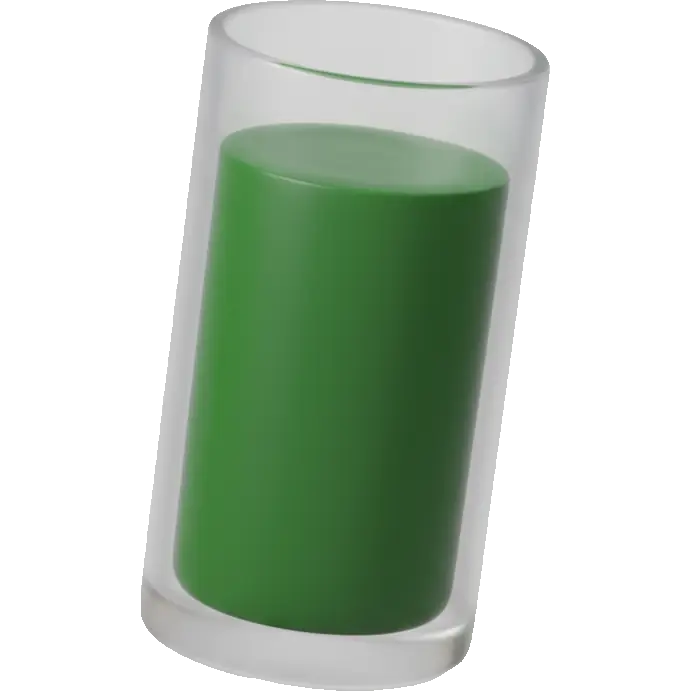
vegetable juice
Beverages
Is vegetable juice high in histamine?
Is vegetable juice high or low in histamine? See its exact rating, how much counts as a portion, and its FODMAP, salicylate, oxalate and diet compatibility in one place.
Related checkers
Compare vegetable juice across criteria
Sensitivity notes
Why histamine food checker matters
Histamine is a compound naturally present in many foods, especially aged, fermented, or preserved items. In sensitive individuals, excess histamine can cause headaches, flushing, hives, digestive issues, and other symptoms. Your body normally breaks down histamine, but some people have reduced capacity to do so.
- Focus on fresh foods - histamine builds up as food ages
- Cook and eat meals fresh; avoid leftovers sitting more than 24 hours
- Be cautious with fermented foods, aged cheeses, and cured meats
- Consider that stress and hormones can affect your histamine tolerance
- Some antihistamines or DAO supplements may help (consult your doctor)
Sensitivities
What vegetable juice contains
FODMAPs
Histamine & Amines
Plant compounds
Irritants
Additives
Allergens
Diet fit
Where vegetable juice fits
Therapeutic diets
Lifestyle diets
Religious diets
What to know about vegetable juice
Vegetable juice is a category rather than a food, and that is the first thing to know about it. The individual FODMAP columns sit unrated because there is no standard recipe, and the one grade that stands out is fermentation load at D, which is the honest cost of juicing: the fibre is stripped out, so the sugars and soluble carbohydrate arrive in the small intestine fast and undiluted. Everything else lands at a moderate B, including histamine, histamine liberation, tyramine, salicylates, oxalate, nickel, sulfites and free glutamate. That spread across the board is itself the story. A glass of blended juice is a concentrated dose of five or six plants at once, which makes it a poor food to run an elimination test with, because a reaction tells you almost nothing about which vegetable caused it.
Watch for
- Graded D for fermentation load, so it is one of the harder drinks to place if you are managing SIBO or persistent bloating.Fibre-free liquid carbohydrate is the specific problem, not the vegetables themselves
- Multi-ingredient by definition.If a glass sets you off you cannot tell whether it was the tomato, the celery, the beet or the spinach, which makes it the worst possible thing to drink during a strict elimination phase
- Read the ingredient order rather than the front of the carton.Most supermarket blends are tomato-led, and tomato and tomato juice grade very differently from a generic vegetable blend on nightshade and glutamate
- Salted heavily as a rule.The savoury blends are built on sodium, which is why the DASH grade only reaches a B, and low-sodium versions are a meaningfully different product
- Borderline B across amines, salicylates, nickel and oxalate.No single one is high, but a blend serves them all in the same glass, which is how a drink marketed as a health measure ends up in a trigger log



Explore related in Beverages
Compare similar foods to build a personalized list of swaps that work for your system.

Histamine Guide
Everything you need to know about histamine sensitivity and smart food choices.
Histamine is a compound naturally present in many foods, especially aged, fermented, or preserved items. In sensitive individuals, excess histamine can cause headaches, flushing, hives, digestive issues, and other symptoms. Your body normally breaks down histamine, but some people have reduced capacity to do so.
Sensitivity varies widely. What triggers one person may be fine for another. Track your reactions to find your personal threshold.
These foods are generally well-tolerated for Histamine sensitivity:
View all safe options





These foods have moderate levels and may be tolerated in small amounts:







These foods are high in histamine and may trigger symptoms:
View full list





If you're sensitive to Histamine, consider these strategies:
- 1Focus on fresh foods - histamine builds up as food ages
- 2Cook and eat meals fresh; avoid leftovers sitting more than 24 hours
- 3Be cautious with fermented foods, aged cheeses, and cured meats
- 4Consider that stress and hormones can affect your histamine tolerance
- 5Some antihistamines or DAO supplements may help (consult your doctor)
Pro tip: Keep a food diary to track your reactions. The Triggerbites app makes this easy with automatic pattern detection.
Want personalized tracking?
Download Triggerbites to log meals, track symptoms, and discover your unique triggers.
Get the AppFAQ
Is vegetable juice high in Histamine?
Histamine: moderate signal - portion size matters.
Can I still eat vegetable juice if I'm sensitive to Histamine?
Try smaller portions and space it out.
What else should I check?
Check Celery, Low Fermentation, and Low Fermentation next for a fuller picture.