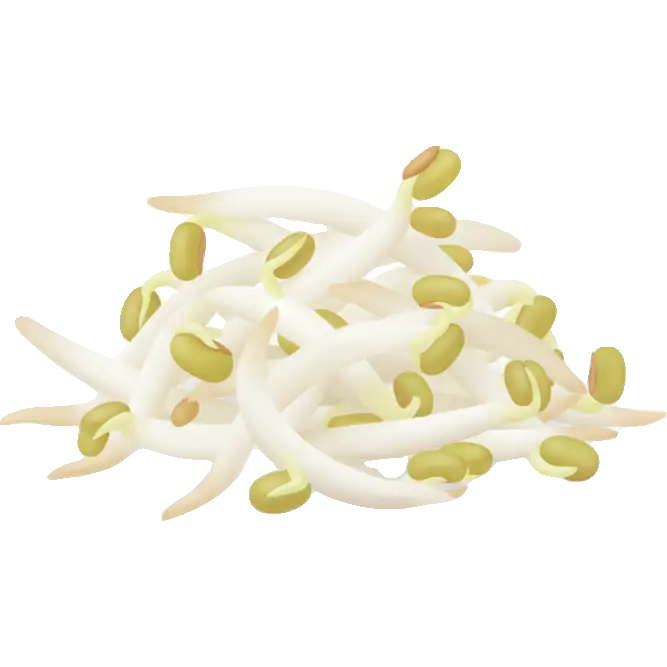
mung beans
Legumes/Pulses
Is mung beans halal-compatible?
See whether mung beans fits a halal diet, with a clear compatible-or-avoid verdict plus its FODMAP, histamine and other trigger ratings in one place.
Related checkers
Compare mung beans across criteria
Sensitivity notes
Why halal diet checker matters
Halal affects how your body responds to certain foods. Understanding your personal tolerance helps you make informed choices.
- Keep a detailed food and symptom diary to track your personal reactions
- Eliminate the suspected trigger completely for 2-4 weeks
- Reintroduce gradually to find your personal tolerance threshold
- Work with a healthcare provider or registered dietitian for guidance
- Remember that food sensitivities can change over time
Sensitivities
What mung beans contains
FODMAPs
Histamine & Amines
Plant compounds
Irritants
Additives
Allergens
Diet fit
Where mung beans fits
Therapeutic diets
Lifestyle diets
Religious diets
What to know about mung beans
Mung beans carry a reputation as the gentlest legume. In Indian cooking, skinned split mung (moong dal) is the classic convalescent food, the base of the khichdi people are fed while recovering from illness. The trigger data is less flattering than the reputation. Dried mung beans grade E for galacto-oligosaccharides and E for total FODMAPs, the same gas-producing sugars every dried pulse carries, plus E for lectins, D for nickel and E for low-fermentation SIBO diets. Where they really are clean is the food-chemistry side: no gluten, no histamine, no salicylates, no glutamate problem, and anti-inflammatory. So the honest answer is that mung beans are one of the mildest legumes in flavour and in chemistry, but not in fermentable carbohydrate.
Watch for
- Very high in galacto-oligosaccharides (E) and E overall on FODMAPs.GOS is what produces the gas legumes are famous for, and it sits in the bean itself, not the skin, so splitting and skinning into moong dal improves texture and cooking time far more than it lowers the FODMAP load
- High in lectins (E).Dried pulses need a long soak, a discard of the soaking water and a full boil. Sprouted or undercooked beans are the wrong way round for a lectin-sensitive gut
- Poor for low-fermentation SIBO protocols (E), which is the usual reason someone who tolerates dal in small amounts falls apart on a full bowl
- High in nickel (D) and moderate in oxalate (C), both worth knowing if you are tracking systemic nickel allergy or kidney stones rather than gut symptoms
- Sprouted mung beans are a different product on our data.Bean sprouts drop to A for GOS and B for FODMAPs because sprouting consumes those sugars, though they stay high in lectins
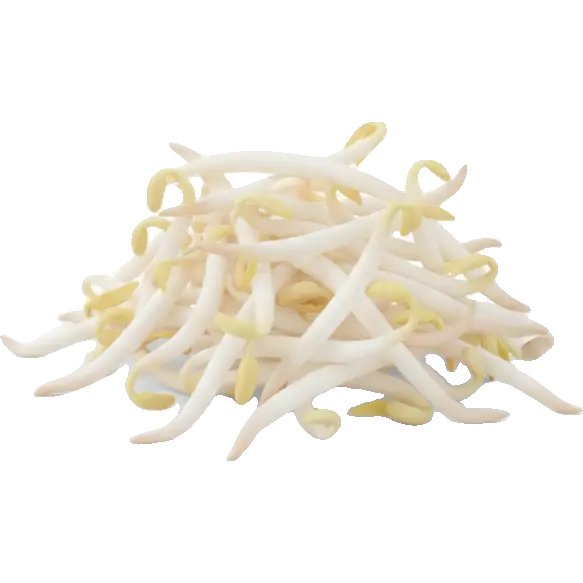


Explore related in Legumes/Pulses
Compare similar foods to build a personalized list of swaps that work for your system.

Halal Guide
Everything you need to know about halal compatibility and smart food choices.
Halal affects how your body responds to certain foods. Understanding your personal tolerance helps you make informed choices.
These foods are typically compatible with a Halal approach:
View all safe options







Practical guidance for following a Halal diet:
- 1Keep a detailed food and symptom diary to track your personal reactions
- 2Eliminate the suspected trigger completely for 2-4 weeks
- 3Reintroduce gradually to find your personal tolerance threshold
- 4Work with a healthcare provider or registered dietitian for guidance
- 5Remember that food sensitivities can change over time
Pro tip: Keep a food diary to track your reactions. The Triggerbites app makes this easy with automatic pattern detection.
Want personalized tracking?
Download Triggerbites to log meals, track symptoms, and discover your unique triggers.
Get the AppFAQ
Does mung beans fit a halal diet?
Halal: fits well for most plans.
What if I eat it occasionally?
Still check preparation and add-ins.
What are safer swaps?
Compare within the Legumes/Pulses group.