 Back to Gluten food checker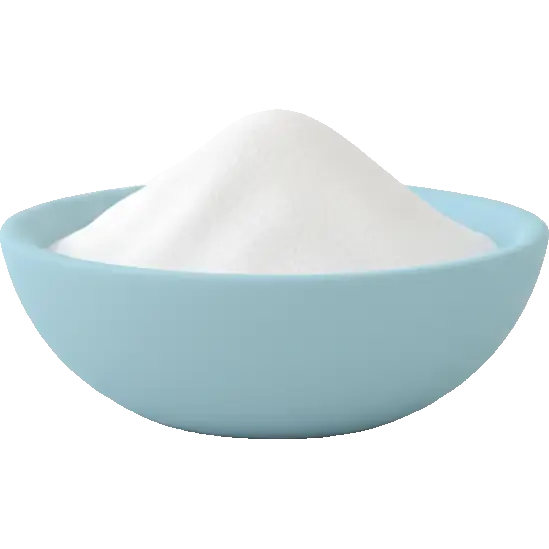
cream of tartar
Additives & Leavening
Is cream of tartar high in gluten?
Is cream of tartar high or low in gluten? See its exact rating, how much counts as a portion, and its FODMAP, salicylate, oxalate and diet compatibility in one place.

Related checkers
Compare cream of tartar across criteria

Sensitivity notes
Why gluten food checker matters
Gluten is a protein found in wheat, barley, rye, and their derivatives. People with celiac disease, gluten sensitivity, or wheat allergy need to avoid gluten to prevent digestive and systemic symptoms.
- Learn to read labels carefully - gluten hides in many products
- Be aware of cross-contamination in shared kitchens and restaurants
- Look for certified gluten-free products for safety
- Oats are naturally gluten-free but often cross-contaminated
- Give your gut time to heal - improvement may take months

Sensitivities
What cream of tartar contains
FODMAPs







Histamine & Amines



Plant compounds




Irritants




Additives



Allergens
















Diet fit
Where cream of tartar fits
Therapeutic diets










Lifestyle diets









Religious diets






What to know about cream of tartar
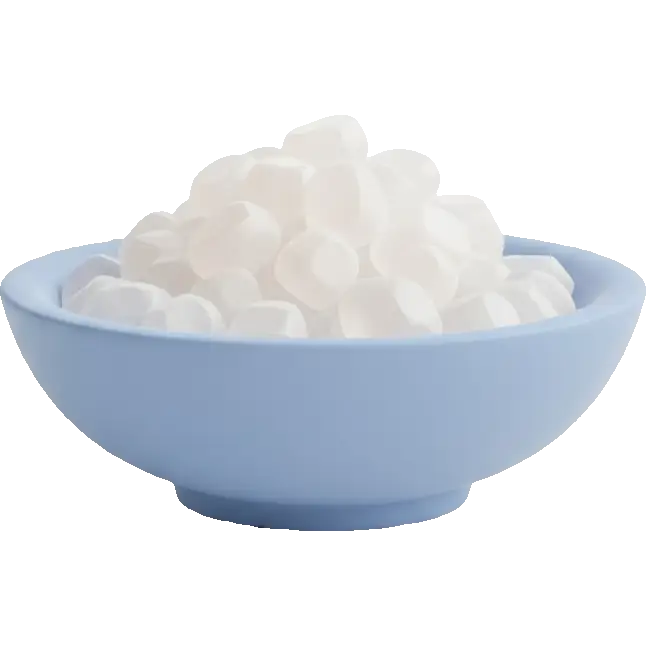
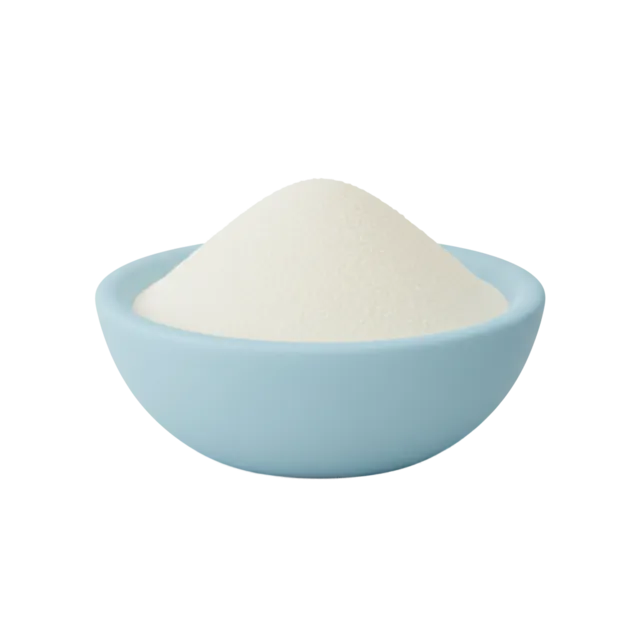
Cream of tartar is potassium bitartrate, the crystal that precipitates out of wine barrels and gets purified into a white powder. It is one of the cleanest ingredients in a baking cupboard on every trigger we track: no gluten, no lactose or dairy protein despite the name, no FODMAPs, no histamine, no salicylates, no sulfites, no nickel. The one number that is genuinely worth knowing is potassium. At roughly 20 percent potassium by weight it delivers about 495 mg per teaspoon, more than a banana, from a spoon of white powder that reads as inert.
Watch for
- Extremely potassium dense: around 495 mg in a level teaspoon.Irrelevant when a quarter teaspoon is split across twenty-four cookies, and not irrelevant at all if you are on a potassium-restricted renal diet, a potassium-sparing diuretic or an ACE inhibitor
- There are published cases of life-threatening hyperkalemia after people deliberately swallowed large quantities as a home cleanse, presenting with vomiting and peaked T waves on ECG.Baking amounts are not the issue, spoonfuls-in-water internet remedies are
- It comes from winemaking but rates clean on sulfites: the finished powder is purified potassium bitartrate, not wine, so a sulfite or wine reaction should not carry across
- Rated only neutral on the anti-inflammatory axis, which is a refined-additive note rather than a sensitivity trigger.It is not doing you any good, it is just not doing anything
Explore related in Additives & Leavening
Compare similar foods to build a personalized list of swaps that work for your system.
Gluten Guide
Everything you need to know about gluten sensitivity and smart food choices.
Gluten is a protein found in wheat, barley, rye, and their derivatives. People with celiac disease, gluten sensitivity, or wheat allergy need to avoid gluten to prevent digestive and systemic symptoms.
Sensitivity varies widely. What triggers one person may be fine for another. Track your reactions to find your personal threshold.

These foods are generally well-tolerated for Gluten sensitivity:
View all safe options








These foods have moderate levels and may be tolerated in small amounts:



These foods are high in gluten and may trigger symptoms:
View full list


If you're sensitive to Gluten, consider these strategies:
- 1Learn to read labels carefully - gluten hides in many products
- 2Be aware of cross-contamination in shared kitchens and restaurants
- 3Look for certified gluten-free products for safety
- 4Oats are naturally gluten-free but often cross-contaminated
- 5Give your gut time to heal - improvement may take months
Pro tip: Keep a food diary to track your reactions. The Triggerbites app makes this easy with automatic pattern detection.
Want personalized tracking?
Download Triggerbites to log meals, track symptoms, and discover your unique triggers.
Get the AppFAQ
Is cream of tartar high in Gluten?
Gluten: low signal for most people.
Can I still eat cream of tartar if I'm sensitive to Gluten?
Usually fine in normal portions.
What else should I check?
Check AIP, Paleo, and Histamine next for a fuller picture.