 Back to EoE Compatible diet checker
tapioca starch
Additives & Leavening
Is tapioca starch eoe compatible-compatible?
See whether tapioca starch fits an eoe compatible diet, with a clear compatible-or-avoid verdict plus its FODMAP, histamine and other trigger ratings in one place.

Related checkers
Compare tapioca starch across criteria

Sensitivity notes
Why eoe compatible diet checker matters
Eosinophilic Esophagitis (EoE) dietary management often involves eliminating common trigger foods including dairy, wheat, eggs, soy, nuts, and seafood. The six-food elimination diet is commonly used to identify personal triggers.
- The six-food elimination diet removes dairy, wheat, eggs, soy, nuts, and seafood
- Systematic reintroduction with endoscopy helps identify triggers
- Milk/dairy is the most common trigger
- Work closely with your gastroenterologist and allergist
- Elemental diet may be used in severe cases

Sensitivities
What tapioca starch contains
FODMAPs







Histamine & Amines



Plant compounds




Irritants




Additives



Allergens
















Diet fit
Where tapioca starch fits
Therapeutic diets










Lifestyle diets









Religious diets






What to know about tapioca starch
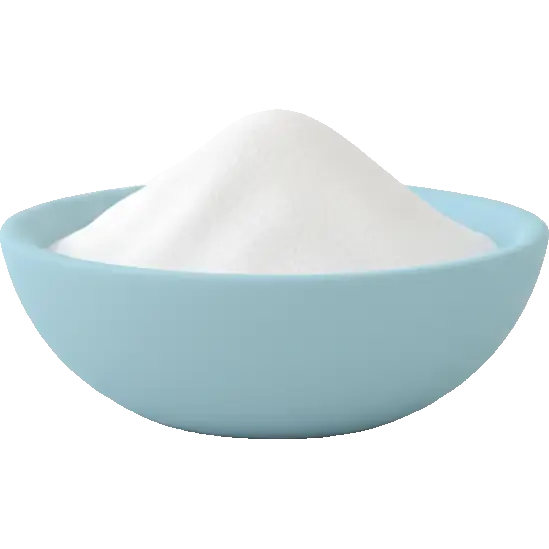
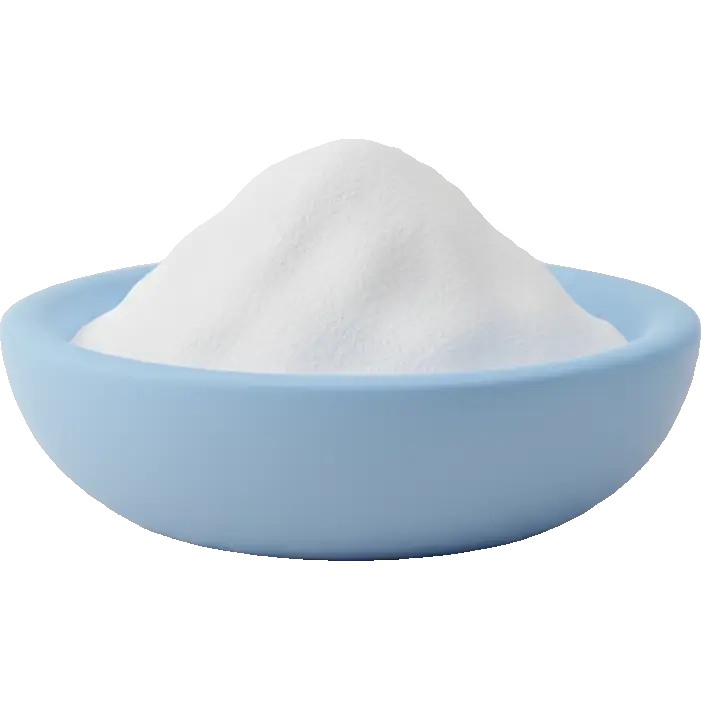
Tapioca starch is the starch washed out of the cassava root and dried, which makes it a genuinely different ingredient from cassava flour, where the whole peeled root is dried and ground. Extraction strips everything that is not starch, so what is left is close to pure carbohydrate with negligible protein, fat, fibre or micronutrients. That emptiness is exactly why it is one of the cleanest entries in this database: it is graded A on every trigger we track, gluten, all four FODMAP groups, histamine and histamine liberation, salicylates, oxalate, nickel, sulfites, nitrites and glutamates, with only a mild B for fermentability on a low fermentation SIBO plan. If a tapioca based bake or a bubble tea sets you off, the cause is almost certainly something else in the cup or the recipe.
Watch for
- It grades clean because there is nothing in it, not because it is nourishing.Treat tapioca starch as a refined carbohydrate: no meaningful fibre, protein or micronutrients, which is also why it scores only fair against DASH and Mediterranean patterns
- Bubble tea is the usual real world exposure, and everything around the pearls carries far more trigger load than the pearls do: milk, caffeine from the tea, syrup, jellies and flavoured powders
- It is not cassava flour.Cassava flour is the whole dried root, with fibre and a different absorbency, so a one for one swap between the two is a common cause of both a failed bake and a confusing diary entry
- Graded B for SIBO fermentability.Fine for most low fermentation plans, but it is still a fast starch, and a large amount in one sitting can leave a sensitive gut gassy


Explore related in Additives & Leavening
Compare similar foods to build a personalized list of swaps that work for your system.

EoE Compatible Guide
Everything you need to know about eoe compatible compatibility and smart food choices.
Eosinophilic Esophagitis (EoE) dietary management often involves eliminating common trigger foods including dairy, wheat, eggs, soy, nuts, and seafood. The six-food elimination diet is commonly used to identify personal triggers.
These foods are typically compatible with a EoE Compatible approach:
View all safe options








Practical guidance for following a EoE Compatible diet:
- 1The six-food elimination diet removes dairy, wheat, eggs, soy, nuts, and seafood
- 2Systematic reintroduction with endoscopy helps identify triggers
- 3Milk/dairy is the most common trigger
- 4Work closely with your gastroenterologist and allergist
- 5Elemental diet may be used in severe cases
Pro tip: Keep a food diary to track your reactions. The Triggerbites app makes this easy with automatic pattern detection.
Want personalized tracking?
Download Triggerbites to log meals, track symptoms, and discover your unique triggers.
Get the AppFAQ
Does tapioca starch fit an eoe compatible diet?
EoE Compatible: fits well for most plans.
What if I eat it occasionally?
Still check preparation and add-ins.
What are safer swaps?
More swaps coming soon.