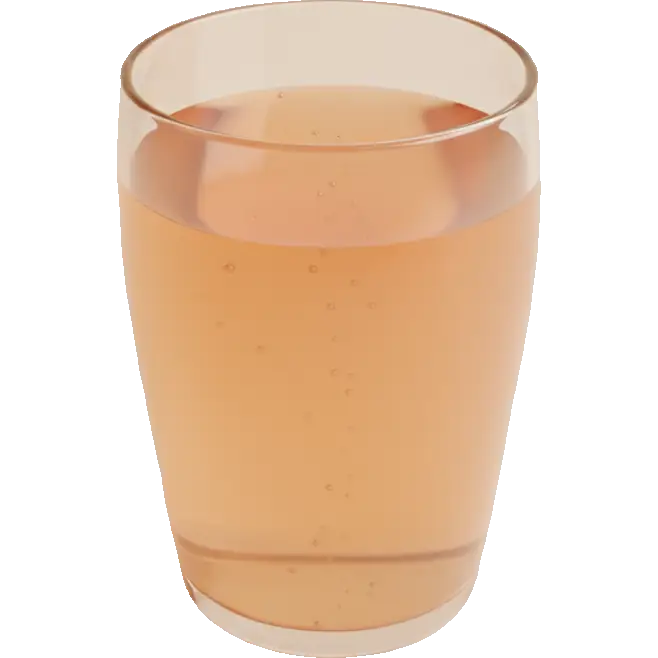
kombucha
Beverages
Is kombucha eoe compatible-compatible?
See whether kombucha fits an eoe compatible diet, with a clear compatible-or-avoid verdict plus its FODMAP, histamine and other trigger ratings in one place.
Related checkers
Compare kombucha across criteria
Sensitivity notes
Why eoe compatible diet checker matters
Eosinophilic Esophagitis (EoE) dietary management often involves eliminating common trigger foods including dairy, wheat, eggs, soy, nuts, and seafood. The six-food elimination diet is commonly used to identify personal triggers.
- The six-food elimination diet removes dairy, wheat, eggs, soy, nuts, and seafood
- Systematic reintroduction with endoscopy helps identify triggers
- Milk/dairy is the most common trigger
- Work closely with your gastroenterologist and allergist
- Elemental diet may be used in severe cases
Sensitivities
What kombucha contains
FODMAPs
Histamine & Amines
Plant compounds
Irritants
Additives
Allergens
Diet fit
Where kombucha fits
Therapeutic diets
Lifestyle diets
Religious diets
What to know about kombucha
Kombucha is sweetened tea fermented by a culture of bacteria and yeast, and fermentation is both why it is interesting and why it belongs on a trigger list. Every column that fermentation touches moves. Kombucha grades moderate for histamine content, moderate as a histamine liberator and moderate for tyramine, which is the full set of biogenic amine flags in one bottle. On top of the amines it keeps residual caffeine from the tea it was brewed on, keeps unfermented sugar (moderate FODMAP with some residual fructose and polyols), carries a small amount of alcohol as a yeast by-product, and is both acidic and carbonated. No single one of those is severe, and that is exactly what makes kombucha slippery: the flags stack inside one glass, and the drink is marketed for the moment when your gut is already unsettled. If you have histamine intolerance, take an MAOI, get amine pattern migraines or react to fermented food in general, the honest place to file kombucha is next to sauerkraut and aged cheese rather than next to plain tea.
Watch for
- Moderate histamine plus moderate histamine liberation.Bacteria generate histamine from amino acids as they ferment, and a bottle keeps working slowly even refrigerated, so a long ferment or a bottle near the end of its date pushes higher than a fresh one
- Moderate tyramine, which is a separate amine from histamine and matters most if you take an MAOI or your migraines follow aged and fermented foods.Tyramine also climbs with fermentation time
- Residual caffeine graded mild.Kombucha is brewed on black or green tea and fermentation does not remove caffeine, so an afternoon bottle is not the caffeine free drink many people assume
- Moderate FODMAP with residual excess fructose and polyols.The culture eats some of the starting sugar but not all of it, and commercial flavoured kombucha usually has fruit juice added back after fermentation, which puts sugar in after the microbes have finished
- Trace alcohol.Yeast produces ethanol alongside the acids, and kombucha sold as non alcoholic in the US has to stay below 0.5 percent ABV, while home brews and long ferments can run higher. Worth knowing in pregnancy, in recovery, or alongside medication




Explore related in Beverages
Compare similar foods to build a personalized list of swaps that work for your system.

EoE Compatible Guide
Everything you need to know about eoe compatible compatibility and smart food choices.
Eosinophilic Esophagitis (EoE) dietary management often involves eliminating common trigger foods including dairy, wheat, eggs, soy, nuts, and seafood. The six-food elimination diet is commonly used to identify personal triggers.
These foods are typically compatible with a EoE Compatible approach:
View all safe options





Practical guidance for following a EoE Compatible diet:
- 1The six-food elimination diet removes dairy, wheat, eggs, soy, nuts, and seafood
- 2Systematic reintroduction with endoscopy helps identify triggers
- 3Milk/dairy is the most common trigger
- 4Work closely with your gastroenterologist and allergist
- 5Elemental diet may be used in severe cases
Pro tip: Keep a food diary to track your reactions. The Triggerbites app makes this easy with automatic pattern detection.
Want personalized tracking?
Download Triggerbites to log meals, track symptoms, and discover your unique triggers.
Get the AppFAQ
Does kombucha fit an eoe compatible diet?
EoE Compatible: fits well for most plans.
What if I eat it occasionally?
Still check preparation and add-ins.
What are safer swaps?
Compare within the Beverages group.