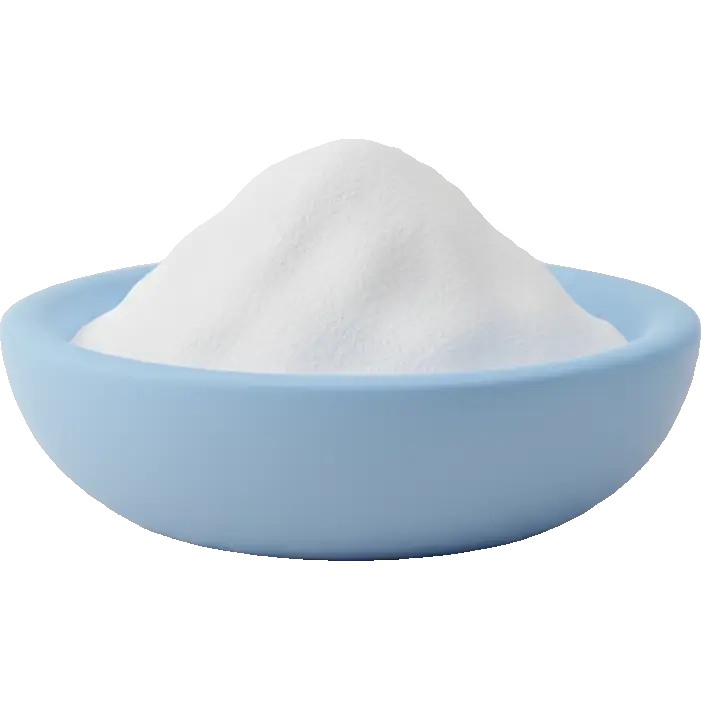
sodium bicarbonate
Additives & Leavening
Is sodium bicarbonate dash diet-compatible?
See whether sodium bicarbonate fits a dash diet diet, with a clear compatible-or-avoid verdict plus its FODMAP, histamine and other trigger ratings in one place.
Related checkers
Compare sodium bicarbonate across criteria
Sensitivity notes
Why dash diet diet checker matters
The DASH diet (Dietary Approaches to Stop Hypertension) is designed to help lower blood pressure. It emphasizes fruits, vegetables, whole grains, and lean proteins while limiting sodium, red meat, and added sugars.
- Aim for 4-5 servings each of fruits and vegetables daily
- Choose whole grains over refined grains
- Limit sodium to 2300mg/day, ideally 1500mg
- Include low-fat dairy for calcium and potassium
- Nuts, seeds, and legumes several times per week
Sensitivities
What sodium bicarbonate contains
FODMAPs
Histamine & Amines
Plant compounds
Irritants
Additives
Allergens
Diet fit
Where sodium bicarbonate fits
Therapeutic diets
Lifestyle diets
Religious diets
What to know about sodium bicarbonate
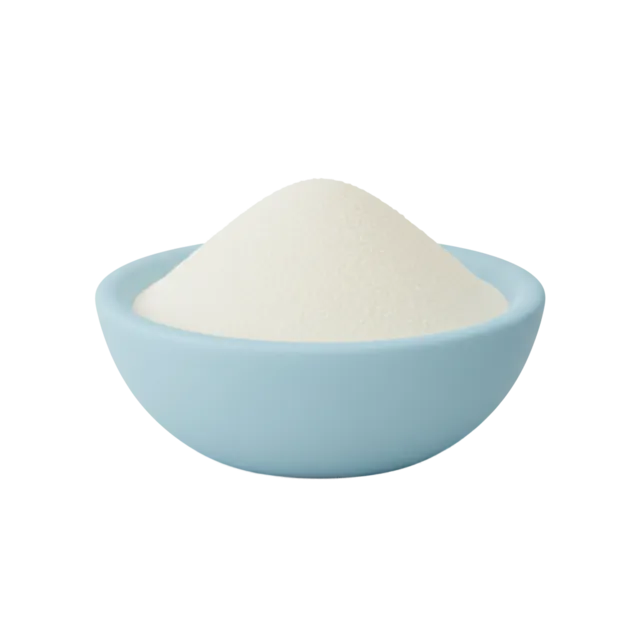
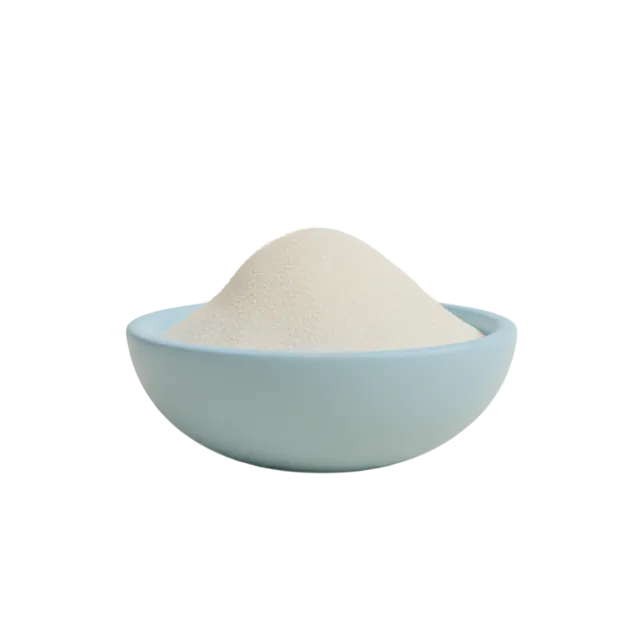
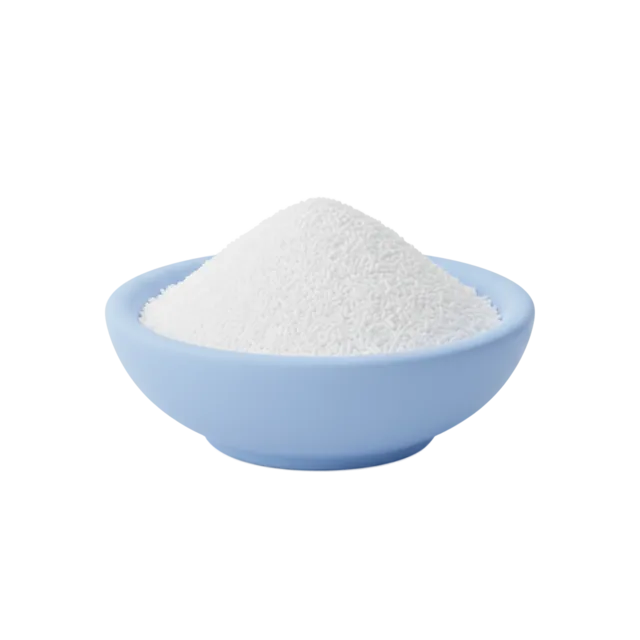
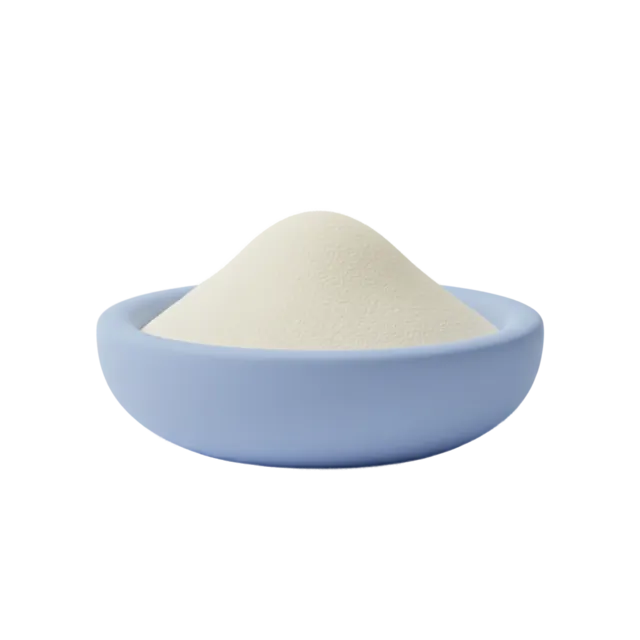
Sodium bicarbonate is the label name for the raising agent, additive E500 and dissolvable-tablet ingredient that turns up far more often than people realise: in self-raising flour, cakes and biscuits, effervescent painkillers and vitamin tablets, rehydration and antacid powders, some mineral waters, and in the tubs athletes use for bicarbonate loading. As a single inorganic salt it has no plant chemistry at all, so it is clean for gluten, lactose, dairy protein, caffeine, nightshades and every FODMAP group we track. The trigger worth tracking is not a food chemical, it is the sodium and the dose. One teaspoon carries roughly 1,260 mg of sodium, and the classic complaint at supplement-sized doses is gut upset within the hour.
Watch for
- Sodium is the real story.A single teaspoon of sodium bicarbonate supplies around 1,260 mg of sodium, which is most of a full day on a 1,500 mg target and roughly half a day at 2,300 mg. If you track blood pressure, fluid retention or puffiness, this belongs in the log as a sodium event
- Dose-related gut upset is the best documented effect.Bicarbonate loading protocols used before exercise are typically 0.2 to 0.3 g per kg of body mass, and bloating, cramping, nausea and diarrhoea within 60 to 90 minutes are common enough that athletes split the dose or take it with a meal
- It hides under several names.Bicarbonate of soda, sodium hydrogen carbonate and E500 are the same compound, and self-raising flour, soda bread, effervescent and soluble medicines all carry it. Soluble and dispersible tablets in particular can carry a surprising sodium load per dose
- Our sheet grades sodium bicarbonate borderline for salicylate and oxalate.Read those as caution flags on a processed additive rather than as content: a purified inorganic salt contains no plant secondary compounds, so it cannot supply salicylate, oxalate, lectins or fermentable carbohydrate
- Raising the pH of a food changes it.Bicarbonate in cooking water softens legumes and vegetables and deepens browning in baked goods, but it also degrades some heat-sensitive vitamins such as thiamine and vitamin C, which is a nutrition note rather than a trigger one

Explore related in Additives & Leavening
Compare similar foods to build a personalized list of swaps that work for your system.

DASH Diet Guide
Everything you need to know about dash diet compatibility and smart food choices.
The DASH diet (Dietary Approaches to Stop Hypertension) is designed to help lower blood pressure. It emphasizes fruits, vegetables, whole grains, and lean proteins while limiting sodium, red meat, and added sugars.
These foods are typically compatible with a DASH Diet approach:
View all safe options







Practical guidance for following a DASH Diet diet:
- 1Aim for 4-5 servings each of fruits and vegetables daily
- 2Choose whole grains over refined grains
- 3Limit sodium to 2300mg/day, ideally 1500mg
- 4Include low-fat dairy for calcium and potassium
- 5Nuts, seeds, and legumes several times per week
Pro tip: Keep a food diary to track your reactions. The Triggerbites app makes this easy with automatic pattern detection.
Want personalized tracking?
Download Triggerbites to log meals, track symptoms, and discover your unique triggers.
Get the AppFAQ
Does sodium bicarbonate fit a dash diet diet?
DASH Diet: mixed fit - check ingredients.
What if I eat it occasionally?
Keep portions small and verify ingredients.
What are safer swaps?
Compare within the Additives & Leavening group.