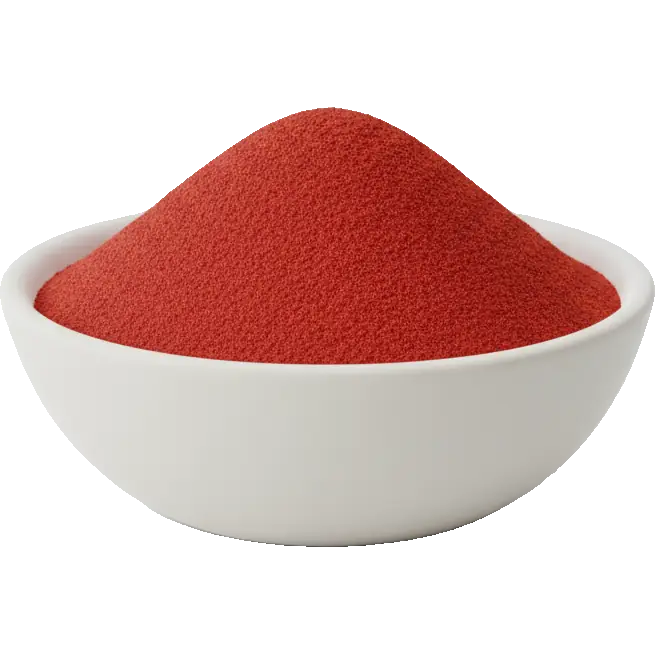
hungarian paprika
Herbs & Spices
Is hungarian paprika high in caffeine?
Is hungarian paprika high or low in caffeine? See its exact rating, how much counts as a portion, and its FODMAP, salicylate, oxalate and diet compatibility in one place.
Related checkers
Compare hungarian paprika across criteria
Sensitivity notes
Why caffeine food checker matters
Caffeine is a natural stimulant found in coffee, tea, chocolate, and many soft drinks. While safe for most people, those with caffeine sensitivity may experience anxiety, rapid heartbeat, digestive issues, or sleep disturbances even from small amounts.
- Gradually reduce caffeine to avoid withdrawal headaches
- Switch to decaf versions of your favorite drinks
- Be aware of hidden caffeine in chocolate and some medications
- Try herbal alternatives like rooibos or peppermint tea
- Caffeine sensitivity can change with age and stress levels
Sensitivities
What hungarian paprika contains
FODMAPs
Histamine & Amines
Plant compounds
Irritants
Additives
Allergens
Diet fit
Where hungarian paprika fits
Therapeutic diets
Lifestyle diets
Religious diets
What to know about hungarian paprika
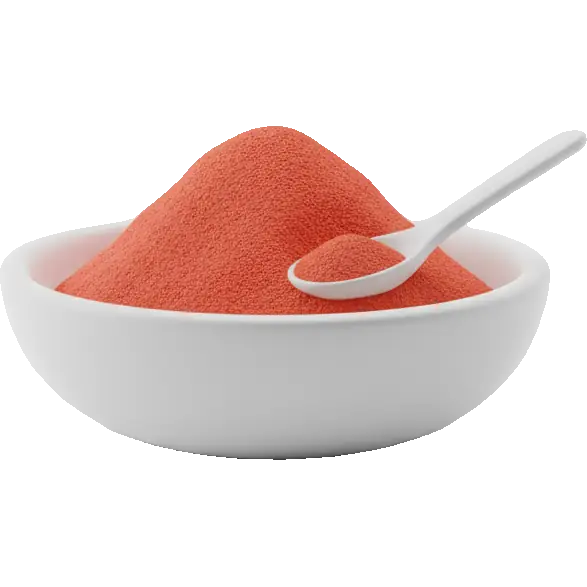
Hungarian paprika is ground Capsicum annuum grown mainly around Szeged and Kalocsa, and Hungary grades it more finely than anyone else: eight official classes running from kulonleges, the mildest and brightest, through edesnemes or noble sweet, which is the grade almost all exported Hungarian paprika belongs to, up to csipos and eros at the pungent end. That is a heat and colour classification, not a safety one. On triggers it grades nightshade C and salicylate C, with glutamates, oxalate and histamine liberation at B and everything else clean, including all five FODMAP columns, gluten, lactose, dairy protein, sulfites and nickel. The grade to take seriously is nightshade. This is a dried pepper and nothing else, and our generic paprika entry grades E on nightshade while smoked paprika grades D, so anyone running a strict nightshade or AIP elimination should treat Hungarian paprika as the pepper it is. The other thing worth knowing is the dose. Hungarian cooking does not dust with paprika, it cooks with it: a proper gulyas or paprikas takes tablespoons, not pinches.
Watch for
- Nightshade is the headline.Hungarian paprika is pure ground sweet pepper, the same botanical family as tomato, chilli and aubergine, and it is graded C here against E for generic paprika and D for smoked. If nightshades flare your joints or gut, the milder grade should not be read as a green light
- Volume separates it from other spices.Two or three tablespoons in a pot of goulash is normal, so a bowl carries a real pepper load rather than a trace. That is also where the salicylate C stops being theoretical, since salicylate reactions track total daily dose rather than any single ingredient
- It hides inside blends.We grade Old Bay seasoning, baharat and ras el hanout at nightshade C precisely because paprika is in all three, and the same applies to paprika-led sausages such as kolbasz and chorizo, barbecue rubs, rotisserie coatings and crisp seasonings. A label reading "spices" can be doing this quietly
- Sweet versus hot is a milling decision, not a different plant.Capsaicin sits in the placental tissue and seeds, so the sweet grades leave them out and the csipos grades mill them in. Choosing a sweet paprika removes the burn and changes nothing about the nightshade grade
- Colour is the freshness tell.The red comes from carotenoid pigments that fade with light and heat, so a tin that has gone brick brown by the hob is old and flat, and paprika thrown into a hot dry pan scorches and turns the dish bitter. It goes in off the heat, into fat, at the end of the browning

Explore related in Herbs & Spices
Compare similar foods to build a personalized list of swaps that work for your system.

Caffeine Guide
Everything you need to know about caffeine sensitivity and smart food choices.
Caffeine is a natural stimulant found in coffee, tea, chocolate, and many soft drinks. While safe for most people, those with caffeine sensitivity may experience anxiety, rapid heartbeat, digestive issues, or sleep disturbances even from small amounts.
Sensitivity varies widely. What triggers one person may be fine for another. Track your reactions to find your personal threshold.








These foods have moderate levels and may be tolerated in small amounts:





These foods are high in caffeine and may trigger symptoms:





If you're sensitive to Caffeine, consider these strategies:
- 1Gradually reduce caffeine to avoid withdrawal headaches
- 2Switch to decaf versions of your favorite drinks
- 3Be aware of hidden caffeine in chocolate and some medications
- 4Try herbal alternatives like rooibos or peppermint tea
- 5Caffeine sensitivity can change with age and stress levels
Pro tip: Keep a food diary to track your reactions. The Triggerbites app makes this easy with automatic pattern detection.
Want personalized tracking?
Download Triggerbites to log meals, track symptoms, and discover your unique triggers.
Get the AppFAQ
Is hungarian paprika high in Caffeine?
Caffeine: low signal for most people.
Can I still eat hungarian paprika if I'm sensitive to Caffeine?
Usually fine in normal portions.
What else should I check?
Check AIP, Nightshades, and Salicylates next for a fuller picture.