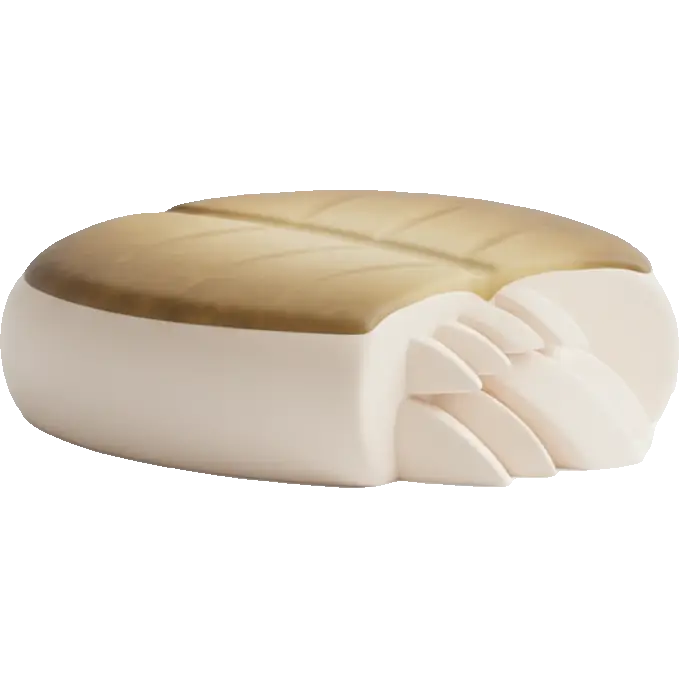
hake
Seafood
Is hake high in caffeine?
Is hake high or low in caffeine? See its exact rating, how much counts as a portion, and its FODMAP, salicylate, oxalate and diet compatibility in one place.
Related checkers
Compare hake across criteria
Sensitivity notes
Why caffeine food checker matters
Caffeine is a natural stimulant found in coffee, tea, chocolate, and many soft drinks. While safe for most people, those with caffeine sensitivity may experience anxiety, rapid heartbeat, digestive issues, or sleep disturbances even from small amounts.
- Gradually reduce caffeine to avoid withdrawal headaches
- Switch to decaf versions of your favorite drinks
- Be aware of hidden caffeine in chocolate and some medications
- Try herbal alternatives like rooibos or peppermint tea
- Caffeine sensitivity can change with age and stress levels
Sensitivities
What hake contains
FODMAPs
Histamine & Amines
Plant compounds
Irritants
Additives
Allergens
Diet fit
Where hake fits
Therapeutic diets
Lifestyle diets
Religious diets
What to know about hake
Hake, or merluza, is the everyday fish of Spanish and Portuguese kitchens, and its trigger profile is almost entirely a question of how long ago it was caught. On the columns themselves it is clean: A on gluten, on every FODMAP category, on lactose, salicylates, oxalates, nickel, sulfites, nitrites and glutamates, with histamine, histamine liberation and tyramine all sitting at a moderate B. What makes hake different from cod or haddock is the flesh. It is soft, watery and weakly structured, so it loses condition noticeably faster than a firmer whitefish, and biogenic amines climb while the fillet still looks acceptable on the counter. Almost every reported reaction to hake is really a reaction to hake that was two days older than it should have been.
Watch for
- Soft, high-moisture flesh means a short window of good condition.A fillet that has gone slack or slightly mushy under the finger, or that smells faintly of ammonia, is already past the point where amines have started to rise. Frozen at sea or bought and cooked the same day is the practical rule
- Histamine, histamine liberation and tyramine all grade B, so hake is usually workable on a low-histamine diet with one condition: cook it fresh and do not eat it again the next day.Refrigerated cooked fish is where most people reintroduce the problem they just avoided
- Battered and breadcrumbed hake (merluza a la romana or rebozada) is standard in Spain and adds wheat gluten, and many pub batters include milk or beer.The fish is gluten free, the way it usually arrives is not
- Merluza en salsa verde, the classic preparation, is built on a lot of garlic and parsley finished with white wine, sometimes with clams.Garlic is high in fructans and wine brings both sulfites and its own histamine, so the sauce carries far more trigger load than the fillet
- Hake cheeks (kokotxas) and hake in cream or pil pil sauces concentrate the same issue: gelatinous cuts are handled more and travel less well, so freshness matters even more than for the loin



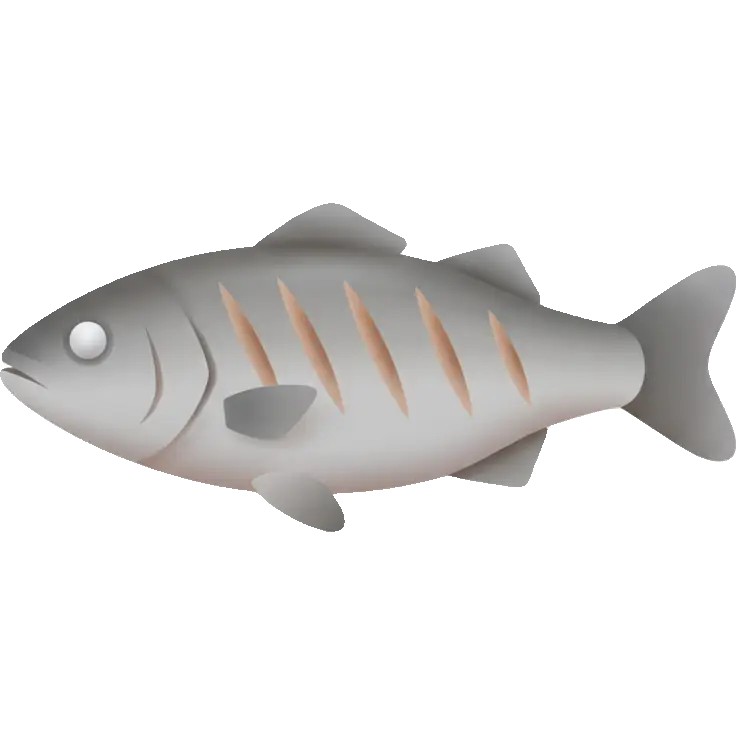

Explore related in Seafood
Compare similar foods to build a personalized list of swaps that work for your system.
Caffeine Guide
Everything you need to know about caffeine sensitivity and smart food choices.
Caffeine is a natural stimulant found in coffee, tea, chocolate, and many soft drinks. While safe for most people, those with caffeine sensitivity may experience anxiety, rapid heartbeat, digestive issues, or sleep disturbances even from small amounts.
Sensitivity varies widely. What triggers one person may be fine for another. Track your reactions to find your personal threshold.








These foods have moderate levels and may be tolerated in small amounts:






These foods are high in caffeine and may trigger symptoms:





If you're sensitive to Caffeine, consider these strategies:
- 1Gradually reduce caffeine to avoid withdrawal headaches
- 2Switch to decaf versions of your favorite drinks
- 3Be aware of hidden caffeine in chocolate and some medications
- 4Try herbal alternatives like rooibos or peppermint tea
- 5Caffeine sensitivity can change with age and stress levels
Pro tip: Keep a food diary to track your reactions. The Triggerbites app makes this easy with automatic pattern detection.
Want personalized tracking?
Download Triggerbites to log meals, track symptoms, and discover your unique triggers.
Get the AppFAQ
Is hake high in Caffeine?
Caffeine: low signal for most people.
Can I still eat hake if I'm sensitive to Caffeine?
Usually fine in normal portions.
What else should I check?
Check Fish, Vegan, and Vegetarian next for a fuller picture.