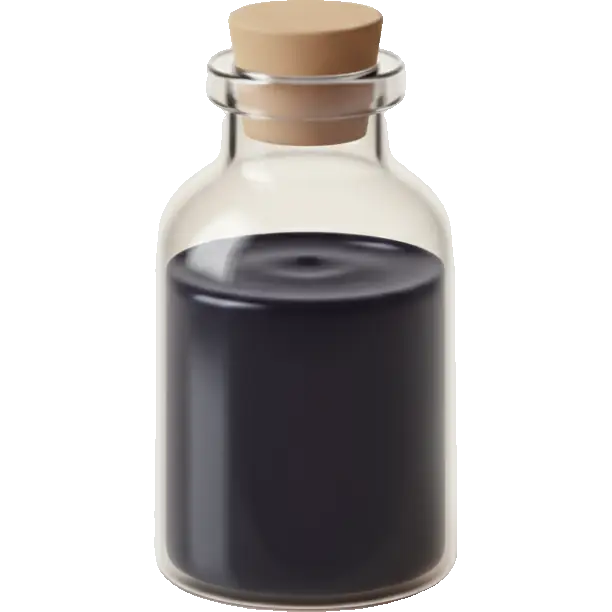
black seed oil
Oils & Fats
Is black seed oil high in caffeine?
Is black seed oil high or low in caffeine? See its exact rating, how much counts as a portion, and its FODMAP, salicylate, oxalate and diet compatibility in one place.
Related checkers
Compare black seed oil across criteria
Sensitivity notes
Why caffeine food checker matters
Caffeine is a natural stimulant found in coffee, tea, chocolate, and many soft drinks. While safe for most people, those with caffeine sensitivity may experience anxiety, rapid heartbeat, digestive issues, or sleep disturbances even from small amounts.
- Gradually reduce caffeine to avoid withdrawal headaches
- Switch to decaf versions of your favorite drinks
- Be aware of hidden caffeine in chocolate and some medications
- Try herbal alternatives like rooibos or peppermint tea
- Caffeine sensitivity can change with age and stress levels
Sensitivities
What black seed oil contains
FODMAPs
Histamine & Amines
Plant compounds
Irritants
Additives
Allergens
Diet fit
Where black seed oil fits
Therapeutic diets
Lifestyle diets
Religious diets
What to know about black seed oil
Black seed oil, pressed from Nigella sativa, is one of the few things in this database that grades A on every single trigger column: histamine, histamine liberation, tyramine, salicylates, oxalate, nickel, sulfites, nitrites, free glutamate, lectins, gluten, lactose, dairy protein and all five FODMAP groups. It is worth noting that the whole seed grades D for salicylates while the oil grades A, because those phenolics stay with the solids in the press cake. The honest caveat on this page is not a food chemical at all. Black seed oil is bought as a supplement rather than as a cooking fat, its active compound thymoquinone has measurable effects on drug-metabolising enzymes and on blood sugar and blood pressure, and the dose in a daily spoonful is nothing like the dose in a salad dressing.
Watch for
- Thymoquinone competitively inhibits CYP2C9, the enzyme that clears warfarin, and laboratory work also puts it on CYP2D6 and CYP3A4.Supplement level intakes (roughly a gram a day of oil or more) are the amounts flagged, not a pinch of the seed on bread. If you take warfarin, an anticoagulant, or anything with a narrow therapeutic window, this belongs on your medication list, not in your quiet supplement drawer
- It lowers blood glucose and blood pressure in trials, which is exactly why people take it, and exactly why it stacks with metformin, insulin or antihypertensives.Symptoms logged as a reaction (shakiness, lightheadedness on standing) can be that additive effect rather than an intolerance
- Topical use is where most reported reactions come from.Allergic contact dermatitis to black seed oil is well documented, including a case that progressed to eosinophilia with systemic symptoms and needed corticosteroids. If you use it on skin and eat it, you will not know which route caused a flare unless you separate them
- Potency is unregulated and thymoquinone content varies enormously between bottles, so two products at the same spoonful can be different doses.High doses have caused liver and kidney damage in animal studies, with human data lacking
- A tablespoon of any pressed oil is a fat load.Loose stools or reflux after a morning spoonful are usually the fat and the empty stomach, not a trigger chemical



Explore related in Oils & Fats
Compare similar foods to build a personalized list of swaps that work for your system.
Caffeine Guide
Everything you need to know about caffeine sensitivity and smart food choices.
Caffeine is a natural stimulant found in coffee, tea, chocolate, and many soft drinks. While safe for most people, those with caffeine sensitivity may experience anxiety, rapid heartbeat, digestive issues, or sleep disturbances even from small amounts.
Sensitivity varies widely. What triggers one person may be fine for another. Track your reactions to find your personal threshold.








These foods have moderate levels and may be tolerated in small amounts:








These foods are high in caffeine and may trigger symptoms:






If you're sensitive to Caffeine, consider these strategies:
- 1Gradually reduce caffeine to avoid withdrawal headaches
- 2Switch to decaf versions of your favorite drinks
- 3Be aware of hidden caffeine in chocolate and some medications
- 4Try herbal alternatives like rooibos or peppermint tea
- 5Caffeine sensitivity can change with age and stress levels
Pro tip: Keep a food diary to track your reactions. The Triggerbites app makes this easy with automatic pattern detection.
Want personalized tracking?
Download Triggerbites to log meals, track symptoms, and discover your unique triggers.
Get the AppFAQ
Is black seed oil high in Caffeine?
Caffeine: low signal for most people.
Can I still eat black seed oil if I'm sensitive to Caffeine?
Usually fine in normal portions.
What else should I check?
Check AIP, Gastroparesis Diet, and Reflux Diet next for a fuller picture.