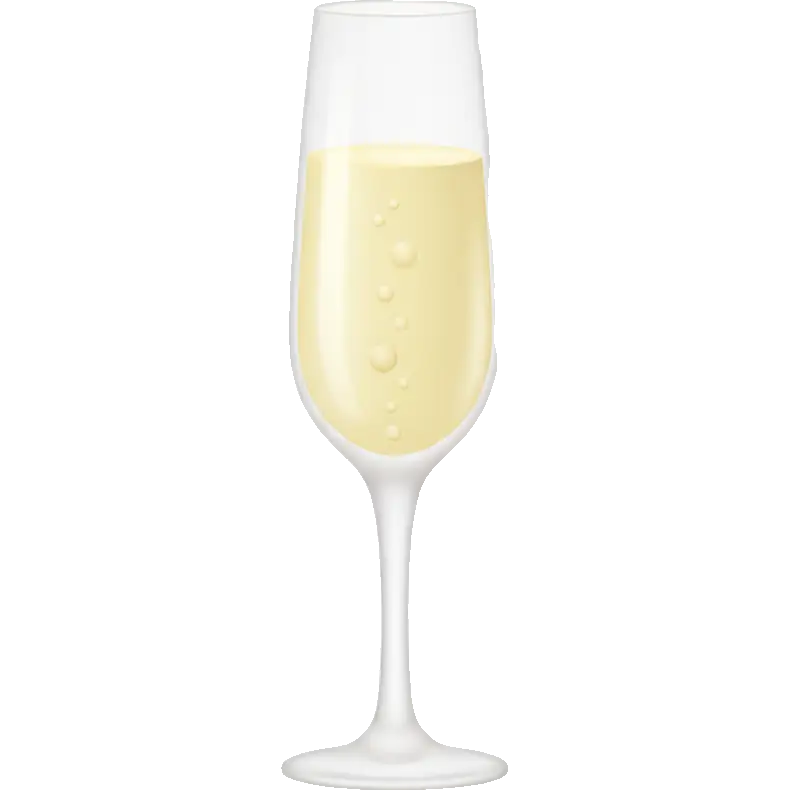
champagne
Beverages
Is champagne high in acidic foods?
Is champagne high or low in acidic foods? See its exact rating, how much counts as a portion, and its FODMAP, salicylate, oxalate and diet compatibility in one place.
Related checkers
Compare champagne across criteria
Sensitivity notes
Why acidic foods food checker matters
Acidic Foods affects how your body responds to certain foods. Understanding your personal tolerance helps you make informed choices.
- Keep a detailed food and symptom diary to track your personal reactions
- Eliminate the suspected trigger completely for 2-4 weeks
- Reintroduce gradually to find your personal tolerance threshold
- Work with a healthcare provider or registered dietitian for guidance
- Remember that food sensitivities can change over time
Sensitivities
What champagne contains
FODMAPs
Histamine & Amines
Plant compounds
Irritants
Additives
Allergens
Diet fit
Where champagne fits
Therapeutic diets
Lifestyle diets
Religious diets
What to know about champagne
Champagne is a sparkling wine, and like other wines it is fermented and aged on the lees, which makes it high in histamine and a common trigger for flushing, a blocked nose, headaches or hives. On top of that it carries moderate sulfites from winemaking and moderate tyramine, and the carbonation speeds how fast the alcohol reaches your bloodstream. If a glass of bubbly reliably brings on a headache or a red face, the histamine and sulfites, not just the alcohol, are usually why.
Watch for
- High in histamine from fermentation and ageing, so it is one of the more reliable drink triggers for flushing, congestion, headache and hives in histamine-sensitive people.
- Moderate sulfites, both added and formed during winemaking, which can bring on wheezing or a stuffy nose separately from the histamine.
- The bubbles matter: carbonation speeds alcohol absorption, so symptoms can come on faster than with a still wine.
- Moderate tyramine plus some fructose, so it stacks with aged cheese, cured meats or a heavy meal.




Explore related in Beverages
Compare similar foods to build a personalized list of swaps that work for your system.



Acidic Foods Guide
Everything you need to know about acidic foods sensitivity and smart food choices.
Acidic Foods affects how your body responds to certain foods. Understanding your personal tolerance helps you make informed choices.
Sensitivity varies widely. What triggers one person may be fine for another. Track your reactions to find your personal threshold.
These foods are generally well-tolerated for Acidic Foods sensitivity:
View all safe options












These foods are high in acidic foods and may trigger symptoms:
View full list

If you're sensitive to Acidic Foods, consider these strategies:
- 1Keep a detailed food and symptom diary to track your personal reactions
- 2Eliminate the suspected trigger completely for 2-4 weeks
- 3Reintroduce gradually to find your personal tolerance threshold
- 4Work with a healthcare provider or registered dietitian for guidance
- 5Remember that food sensitivities can change over time
Pro tip: Keep a food diary to track your reactions. The Triggerbites app makes this easy with automatic pattern detection.
Want personalized tracking?
Download Triggerbites to log meals, track symptoms, and discover your unique triggers.
Get the AppFAQ
Is champagne high in Acidic Foods?
Acidic Foods: higher signal - consider smaller servings or swaps.
Can I still eat champagne if I'm sensitive to Acidic Foods?
Best to avoid or test carefully with a small amount.
What else should I check?
Check AIP, Reflux Diet, and Specific Carbohydrate next for a fuller picture.