High-fructose foods: the complete list
The foods that cause trouble carry more fructose than glucose. Here's the full list, and why the ratio matters.
If fructose is a problem for you, the list that matters is foods with excess fructose, meaning more fructose than glucose. That ratio explains why an apple can cause trouble while a banana doesn't.
Below is the complete list of high-fructose foods, with the science behind it.
What "excess fructose" means
Fructose is absorbed in the small intestine by a specific, fairly low-capacity transporter called GLUT5.1 When more fructose arrives than GLUT5 can carry, the surplus travels on to the large intestine, where it draws in water and is fermented by gut bacteria - producing the bloating, wind and loose stool of fructose malabsorption.2
Glucose helps fructose get absorbed. When a food has glucose and fructose in roughly equal amounts, the fructose is carried along fine. The problem foods are the ones with more fructose than glucose - "excess fructose."2 The ratio is what decides it, which is why apples, pears and honey cause trouble while bananas and berries usually don't. (We cover the full mechanism in fructose malabsorption explained.)
One name to keep straight: this page is about fructose malabsorption, a common capacity-based limit. Hereditary fructose intolerance is a separate condition, a rare and serious genetic enzyme disorder.3
The high-fructose foods
Below is the full list of foods high in excess fructose - drawn directly from the Triggerbites ingredient database.

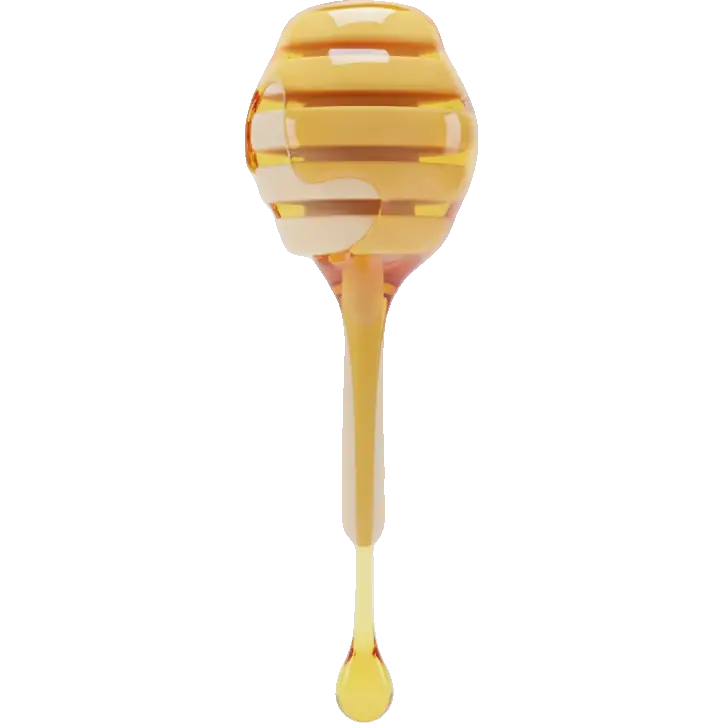

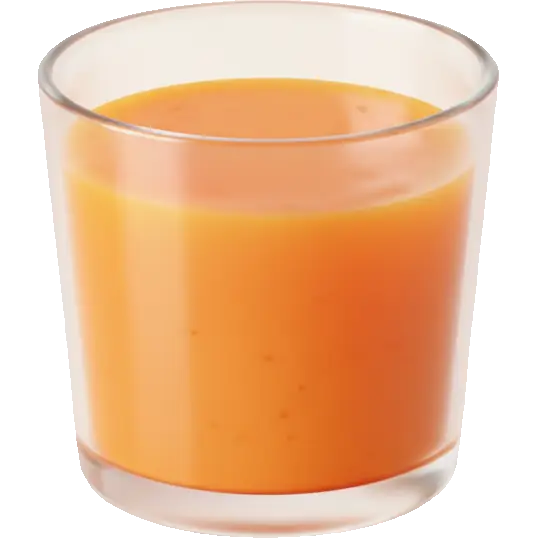
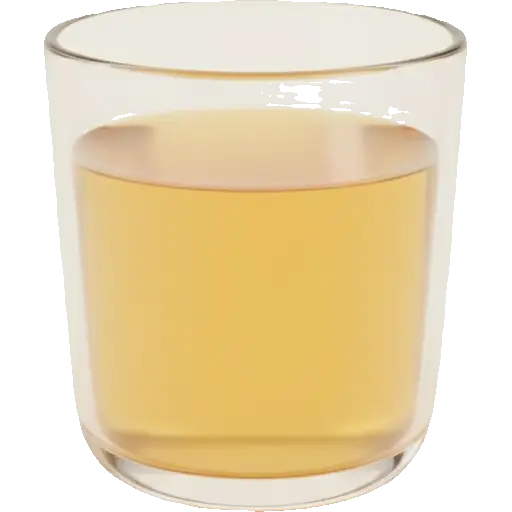


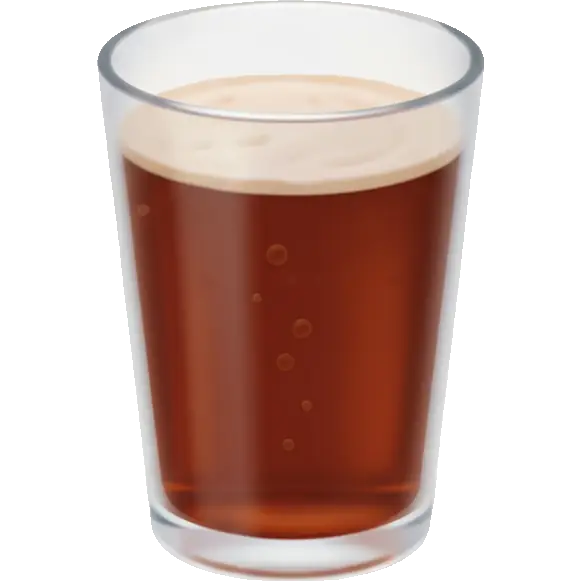
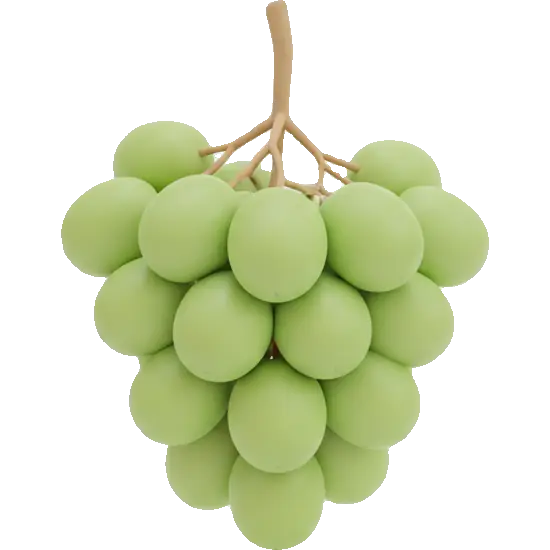
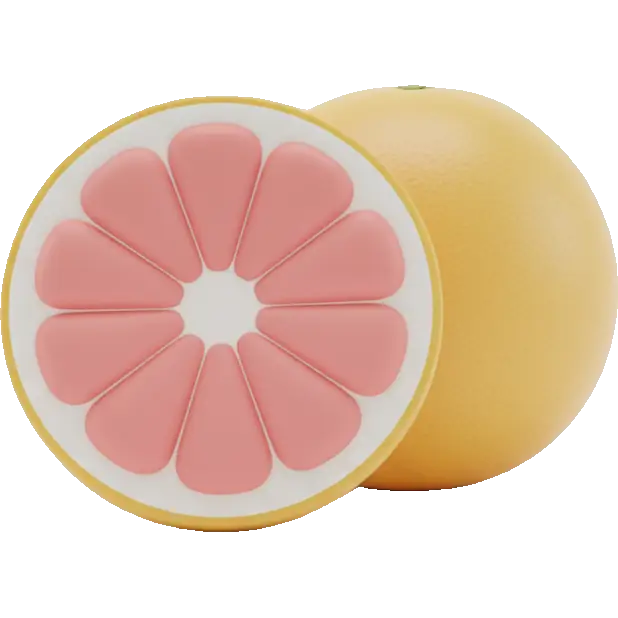
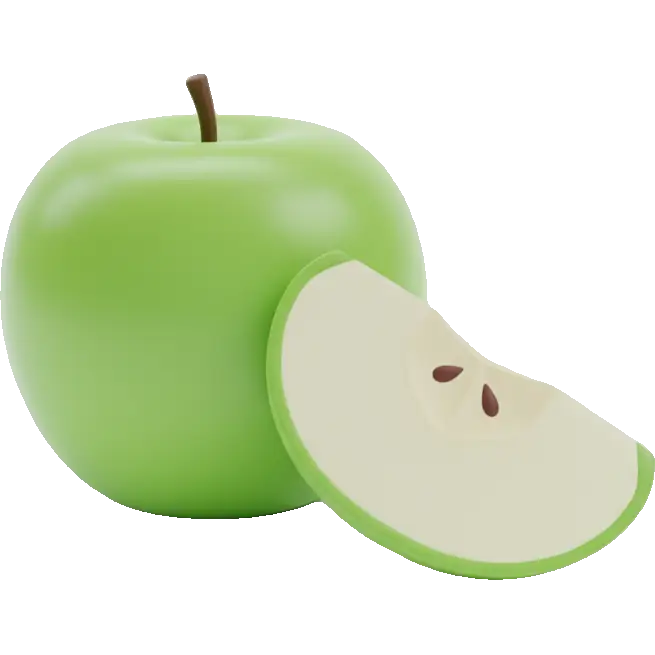


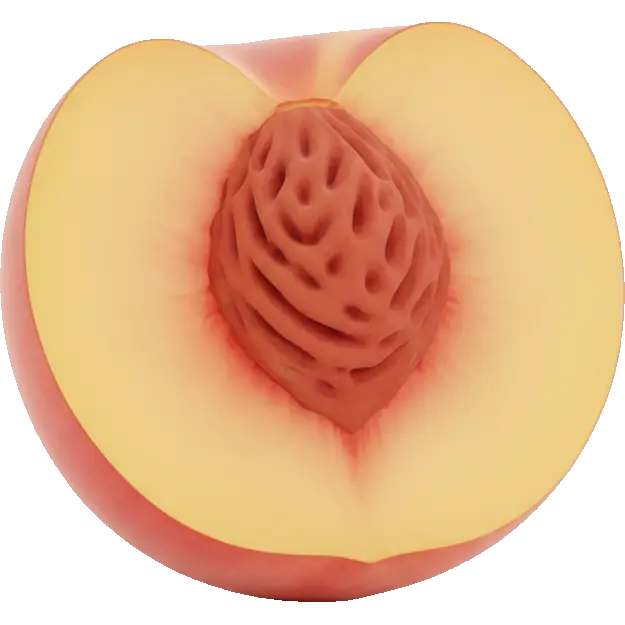



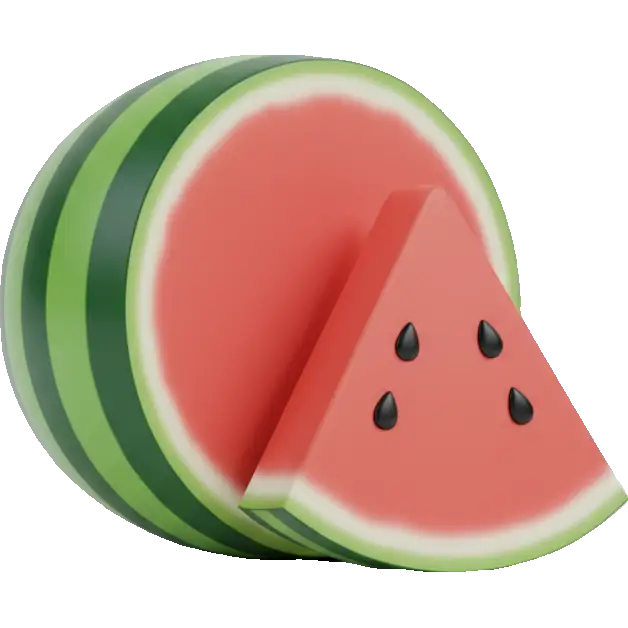


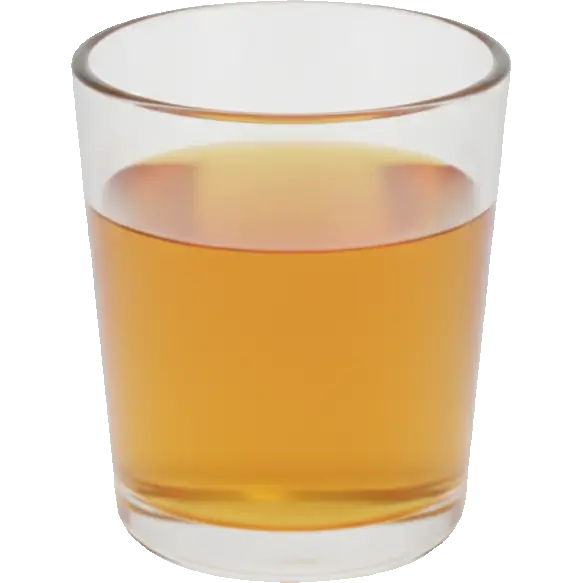
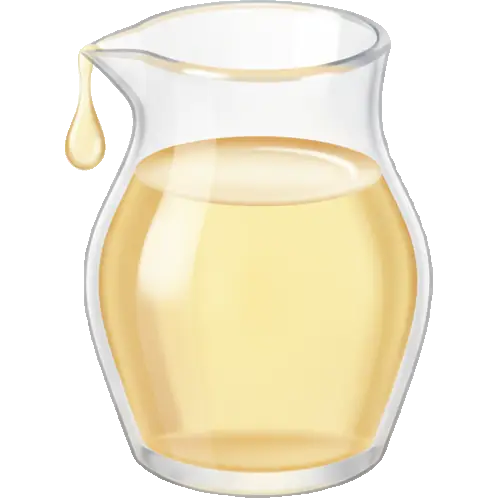

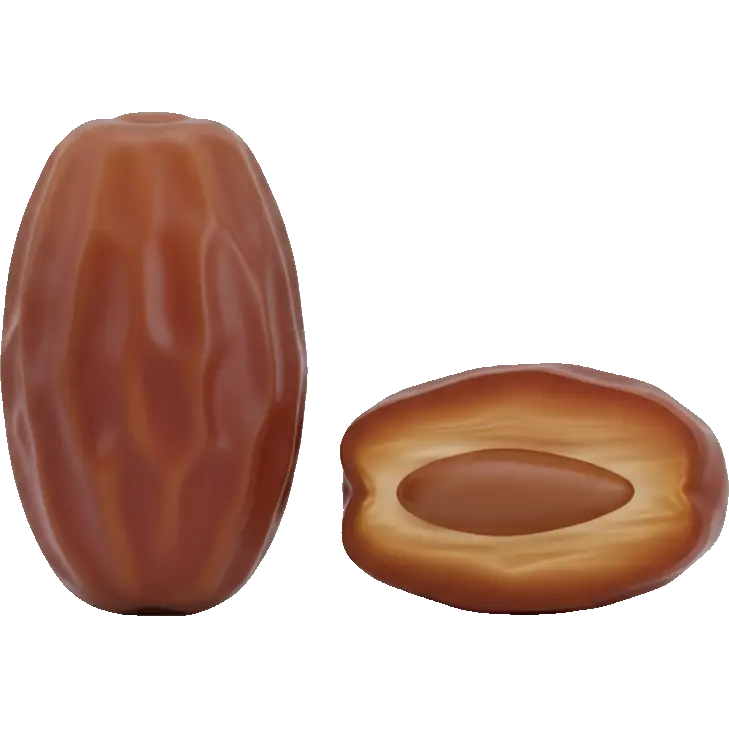
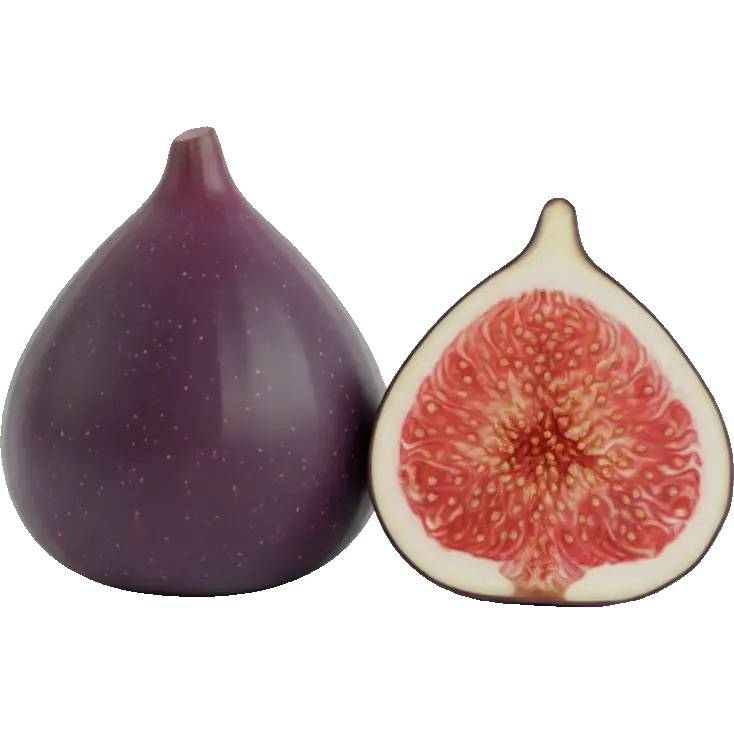
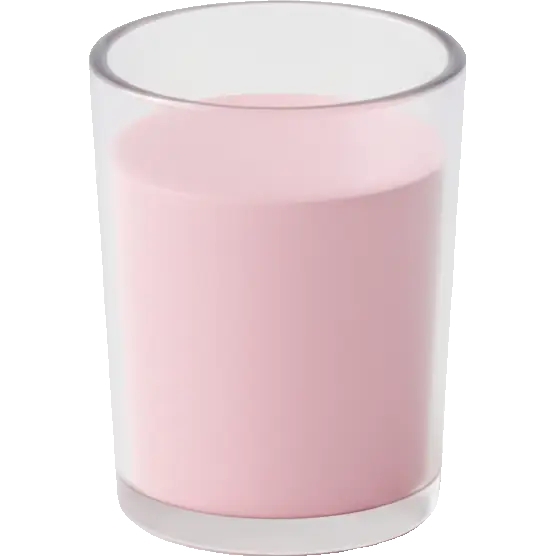

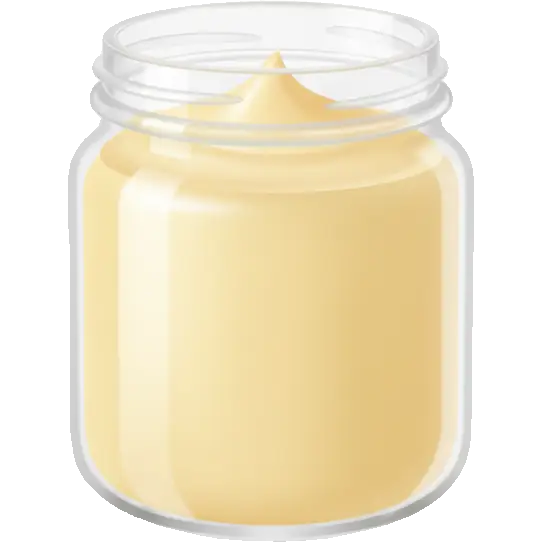
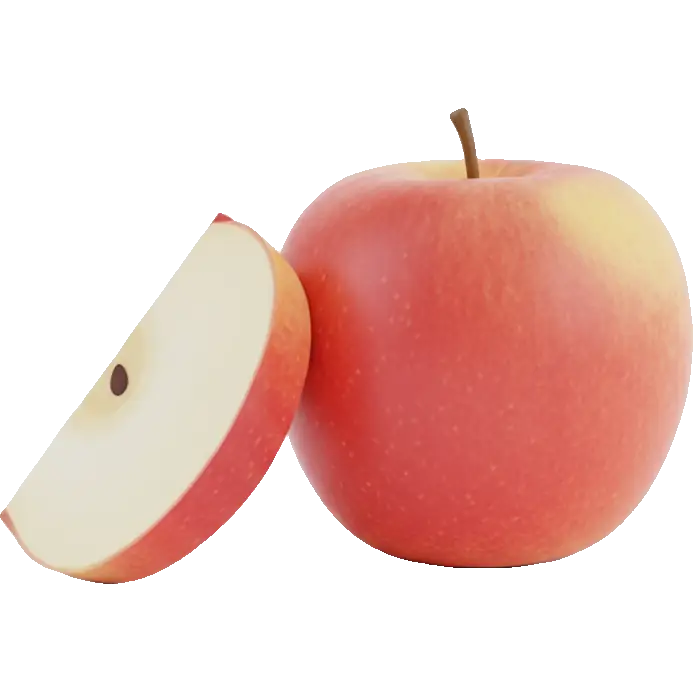
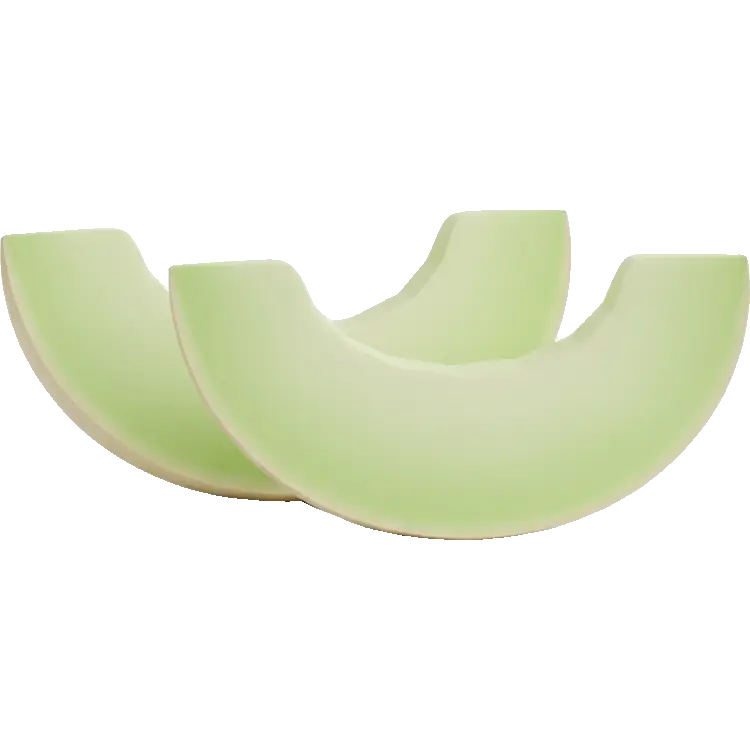

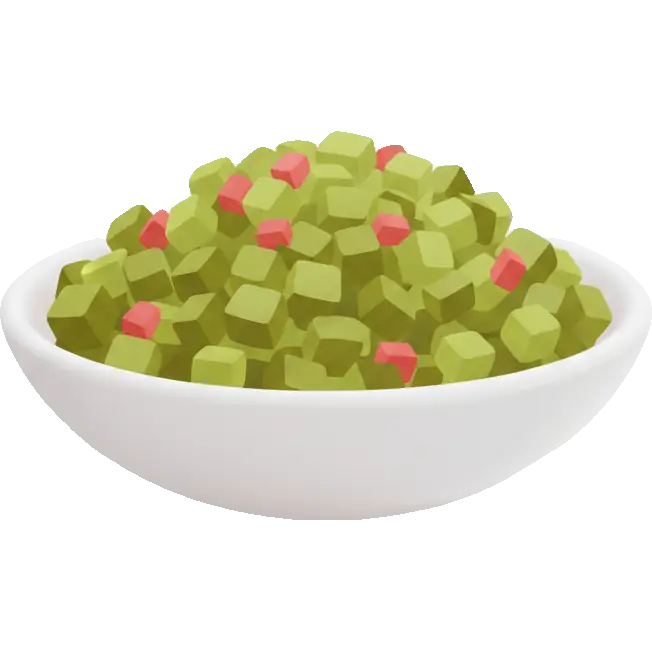

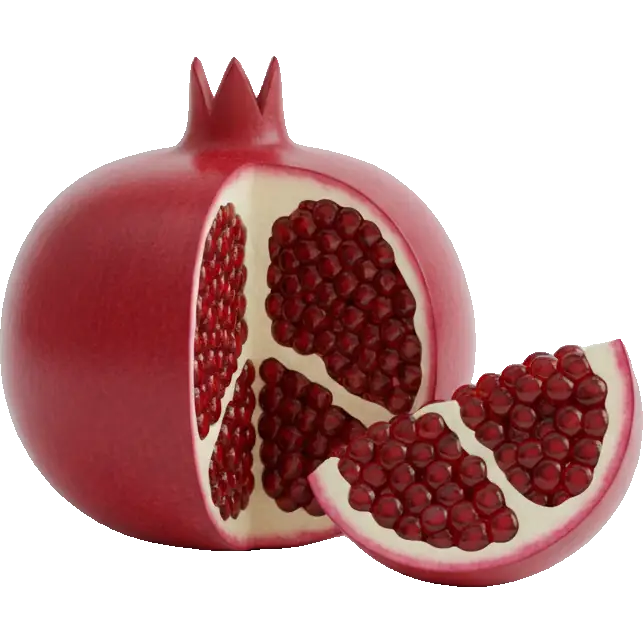




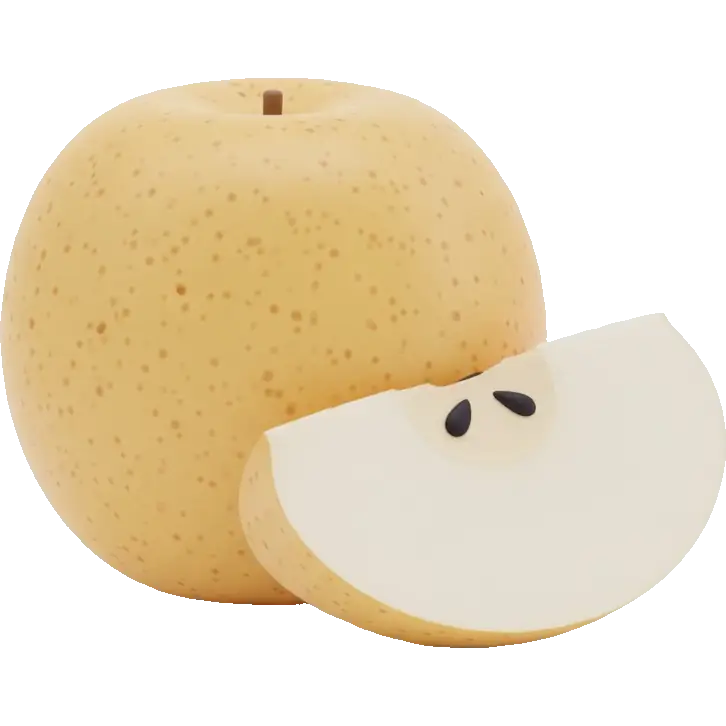


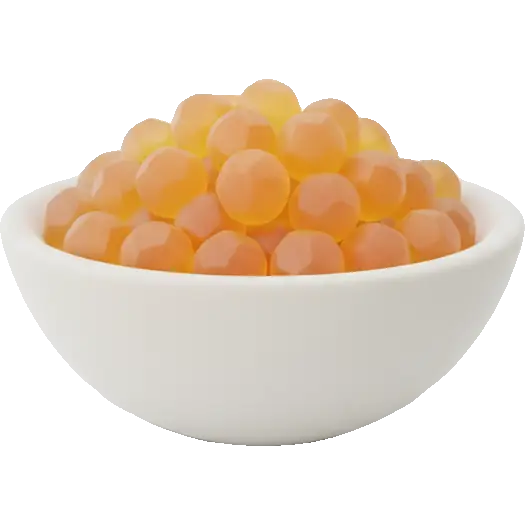

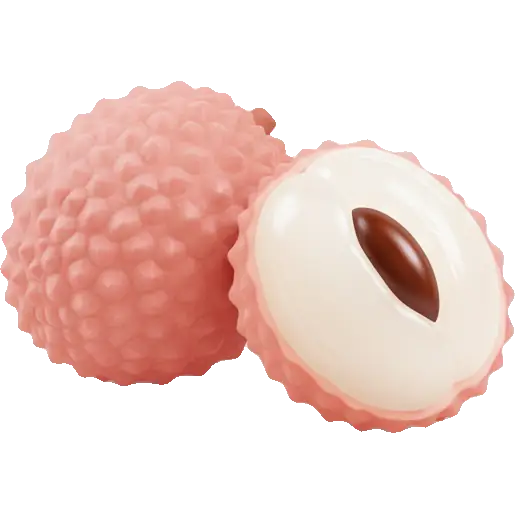


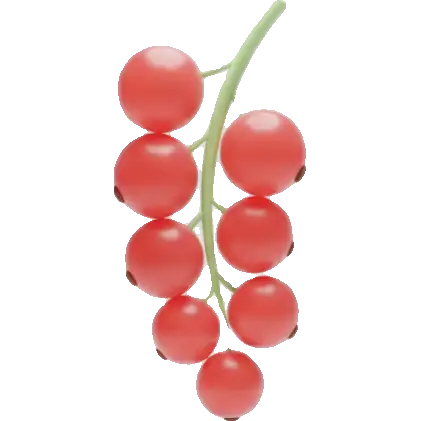



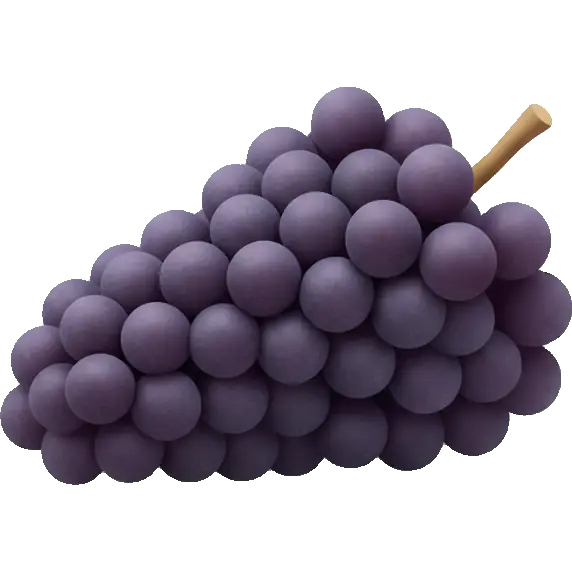
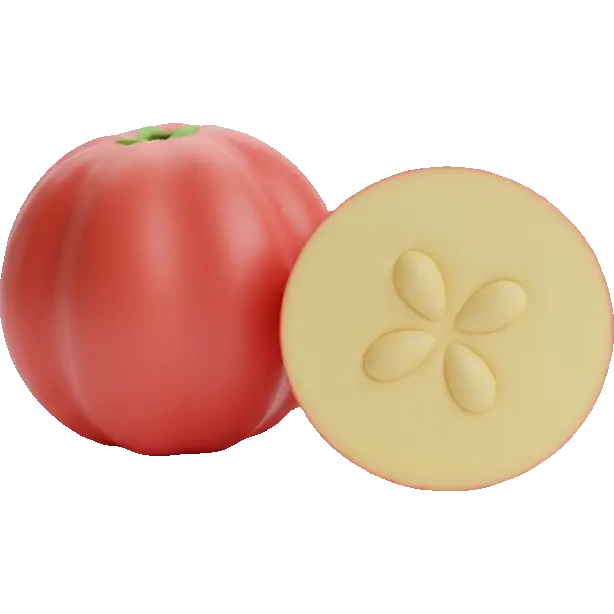
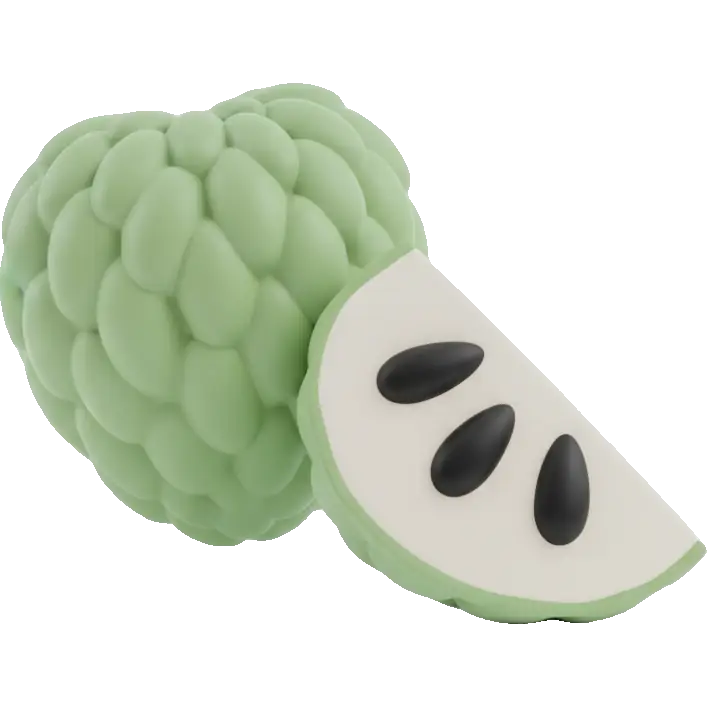
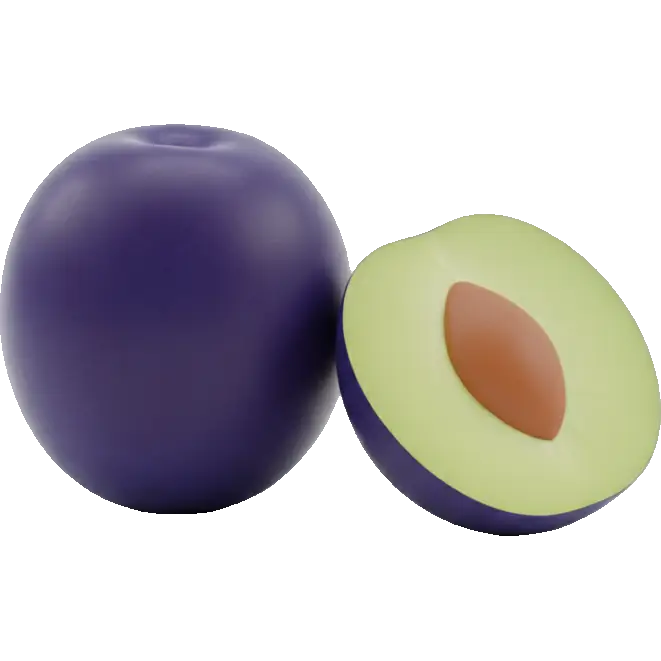

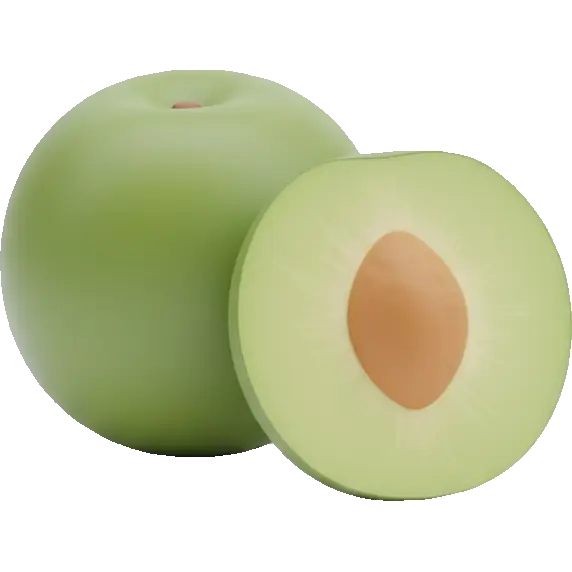
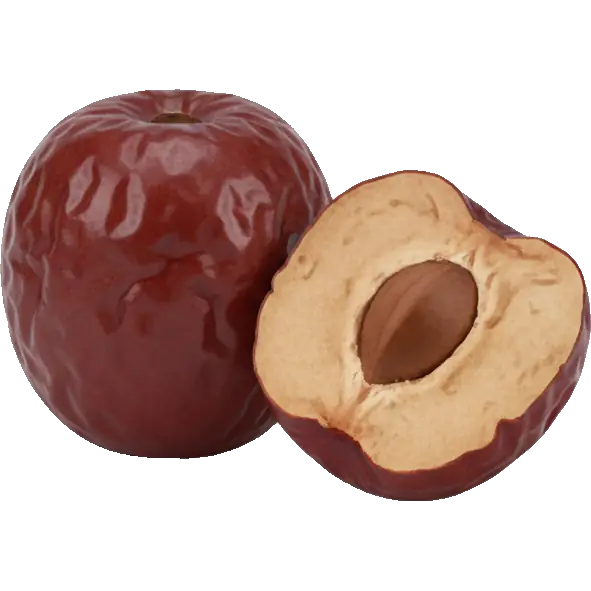
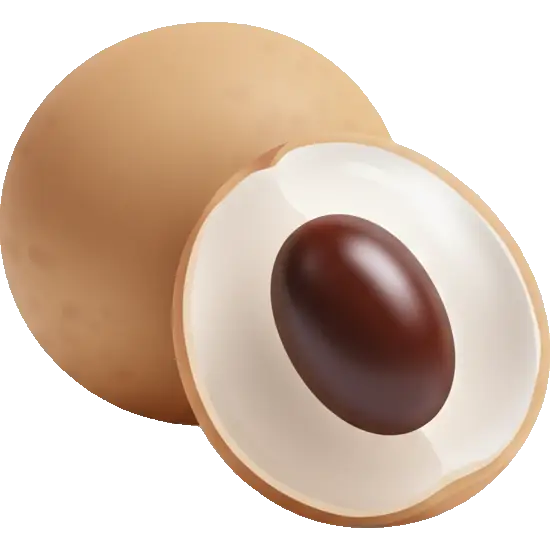
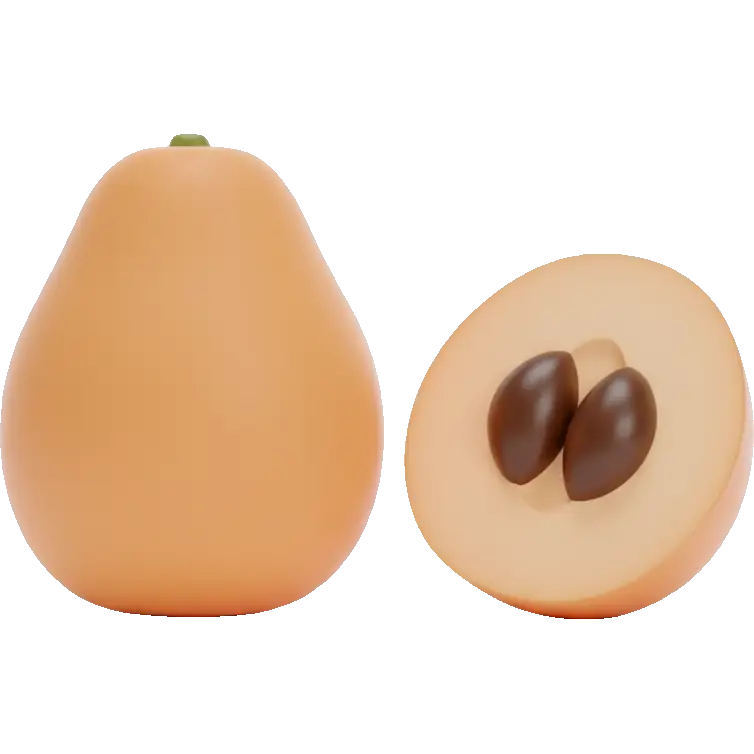


Three themes run through it: certain fruits (apples, pears, mango, cherries, watermelon), honey and high-fructose sweeteners (agave, HFCS, corn syrup), and fruit juices and sweetened drinks.
It's dose-dependent
Fructose malabsorption is a threshold effect. A small amount of a high-fructose food often passes fine; symptoms appear once the fructose load crosses your personal limit.2 A few cherries are not a large bowl. And sugar alcohols (polyols) eaten alongside tend to make matters worse.
So this is a list to be portion-aware about, not to eliminate wholesale.
Finding your pattern
The things worth tracking are the dose (small fine, large not?), whether a food is fructose-heavy or glucose-balanced, and whether polyol-containing foods landed alongside.
Where Triggerbites fits in
This list comes straight from the food data inside Triggerbites, which tags every ingredient for excess fructose alongside 40+ other trigger criteria.
So when you log meals in plain language, Triggerbites extracts the ingredients, tags the fructose load, and correlates it with your symptoms across time windows - including how dose-dependent your reactions are.
It takes seconds a day, and it turns "fruit hates me" into something far more precise.






Triggerbites Features
- Log your day in 30 seconds: Text, voice or photo. Log as you go, or recap it all in the evening.
- Your food, broken down: Meals become ingredients and sensitivity profiles: histamine, salicylates, FODMAPs, allergens, and even the additives on packaged food.
- Everything in the same journal: Symptoms, supplements, sleep, stress, exercise and mood, beside what you ate.
- See what repeats over time: Patterns between what you eat and how you feel, including delayed reactions that show up days later.
For the science, see fructose malabsorption explained and what is the low FODMAP diet?
Live, love, log. 🧡
References
- 1Jones HF, Butler RN, Brooks DA "Intestinal fructose transport and malabsorption in humans" American Journal of Physiology - Gastrointestinal and Liver Physiology, 2011American Physiological Society
- 2
- 3
 American Physiological Society
Article References and Citations
- Jones HF, Butler RN, Brooks DA: "Intestinal fructose transport and malabsorption in humans", American Journal of Physiology - Gastrointestinal and Liver Physiology, 2011 - https://journals.physiology.org/doi/full/10.1152/ajpgi.00457.2010
- Molecular and Cellular Pediatrics (PMC): "Fructose malabsorption", 2016 - https://www.ncbi.nlm.nih.gov/pmc/articles/PMC4755956/
- MedlinePlus Genetics: "Hereditary fructose intolerance" - https://medlineplus.gov/genetics/condition/hereditary-fructose-intolerance/