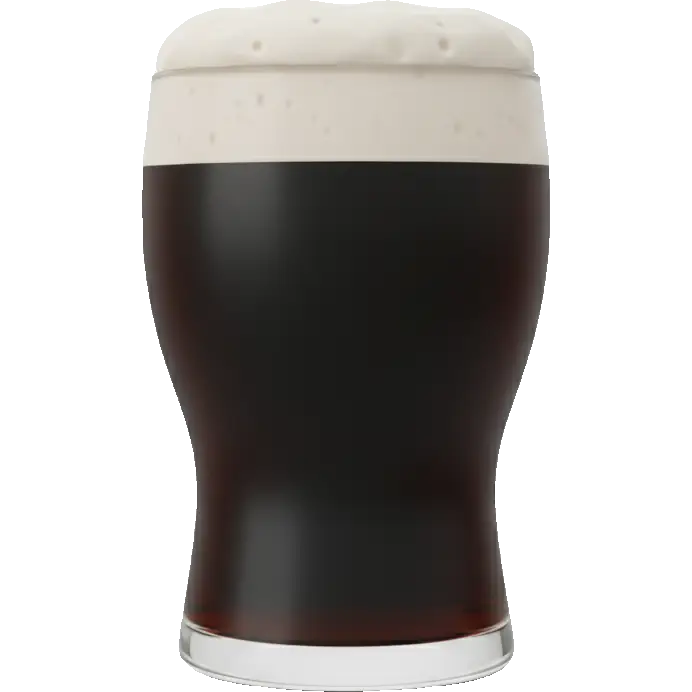
stout
Beverages
Is stout mediterranean-compatible?
See whether stout fits a mediterranean diet, with a clear compatible-or-avoid verdict plus its FODMAP, histamine and other trigger ratings in one place.
Related checkers
Compare stout across criteria
Sensitivity notes
Why mediterranean diet checker matters
The Mediterranean diet is based on traditional foods from countries bordering the Mediterranean Sea. It emphasizes olive oil, fish, vegetables, whole grains, and moderate wine consumption while limiting red meat and processed foods.
- Make olive oil your primary fat source
- Eat fish at least twice per week
- Enjoy meals with family and friends - it's part of the lifestyle
- Red wine in moderation (optional) with meals
- Limit red meat to a few times per month
Sensitivities
What stout contains
FODMAPs
Histamine & Amines
Plant compounds
Irritants
Additives
Allergens
Diet fit
Where stout fits
Therapeutic diets
Lifestyle diets
Religious diets
What to know about stout
Stout is a dark beer built on roasted barley, and that roast is the whole point: it is where the coffee and dark chocolate flavour comes from, and it is also why stout is gluten E like every other barley beer. Roasting changes the colour and the taste of the grain, not its gluten, so a pint of stout is off limits for coeliac disease and for non-coeliac gluten sensitivity in exactly the way a pale lager is. Beyond gluten, fermentation gives it high histamine (D) with moderate tyramine (C) and moderate sulfites (C), the usual reason a beer drinker gets a flushed face, a blocked nose or a thumping head from one pint. It grades poorly for SIBO (D) but only B for FODMAPs, so the gut complaints people report are more often about alcohol and carbonation than about fermentable sugars. Despite tasting of coffee, plain stout is caffeine free (A).
Watch for
- Gluten E.Roasted barley is still barley, and roasting does not degrade gluten, so stout is not safe on a coeliac diet no matter how dark or how dry it is
- Histamine D, the highest trigger on this page after gluten, produced during fermentation and made harder to clear because alcohol slows the diamine oxidase enzyme
- Milk stout, cream stout and sweet stout are brewed with added lactose that the yeast cannot ferment, so those styles carry lactose that a dry stout does not.The grades here describe a standard dry stout
- Moderate sulfites (C) and moderate tyramine (C) from fermentation, a combination that shows up as headache and flushing rather than gut symptoms
- Nitro stouts are poured with nitrogen rather than carbon dioxide, which gives the creamy head and much less dissolved gas.If your problem with beer is bloating and burping rather than gluten, that difference is real, but it changes nothing about the gluten or the histamine





Explore related in Beverages
Compare similar foods to build a personalized list of swaps that work for your system.



Mediterranean Guide
Everything you need to know about mediterranean compatibility and smart food choices.
The Mediterranean diet is based on traditional foods from countries bordering the Mediterranean Sea. It emphasizes olive oil, fish, vegetables, whole grains, and moderate wine consumption while limiting red meat and processed foods.
These foods are typically compatible with a Mediterranean approach:
View all safe options






Practical guidance for following a Mediterranean diet:
- 1Make olive oil your primary fat source
- 2Eat fish at least twice per week
- 3Enjoy meals with family and friends - it's part of the lifestyle
- 4Red wine in moderation (optional) with meals
- 5Limit red meat to a few times per month
Pro tip: Keep a food diary to track your reactions. The Triggerbites app makes this easy with automatic pattern detection.
Want personalized tracking?
Download Triggerbites to log meals, track symptoms, and discover your unique triggers.
Get the AppFAQ
Does stout fit a mediterranean diet?
Mediterranean: avoid for strict plans.
What if I eat it occasionally?
Occasional use may break strict plans.
What are safer swaps?
Compare within the Beverages group.