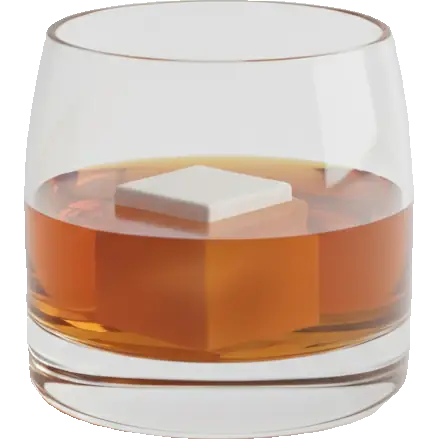
scotch
Beverages
Is scotch mediterranean-compatible?
See whether scotch fits a mediterranean diet, with a clear compatible-or-avoid verdict plus its FODMAP, histamine and other trigger ratings in one place.
Related checkers
Compare scotch across criteria
Sensitivity notes
Why mediterranean diet checker matters
The Mediterranean diet is based on traditional foods from countries bordering the Mediterranean Sea. It emphasizes olive oil, fish, vegetables, whole grains, and moderate wine consumption while limiting red meat and processed foods.
- Make olive oil your primary fat source
- Eat fish at least twice per week
- Enjoy meals with family and friends - it's part of the lifestyle
- Red wine in moderation (optional) with meals
- Limit red meat to a few times per month
Sensitivities
What scotch contains
FODMAPs
Histamine & Amines
Plant compounds
Irritants
Additives
Allergens
Diet fit
Where scotch fits
Therapeutic diets
Lifestyle diets
Religious diets
What to know about scotch
Scotch is malt or grain whisky matured in oak in Scotland, and the question people search most is the barley one: it is made from malted barley yet grades A for gluten, because the gluten protein is far too large to travel with the alcohol vapour during distillation. What actually separates scotch from a young bourbon or a blended whiskey is the ageing and the smoke. Minimum three years in cask, often ten to twenty, frequently finished in barrels that previously held sherry, and in Islay styles dried over peat fire. That maturation is why scotch grades tyramine C, a notch above the B we give whiskey and vodka, alongside histamine C and sulfite B.
Watch for
- Tyramine grades C, higher than most spirits we cover, which matters if you get migraines from aged foods or take an MAOI: long cask maturation and sherry cask finishing are the plausible routes
- Peated whiskies carry measurable smoke phenols, quoted in parts per million on the malt, and people who react to smoked or barbecued food often find heavily peated drams the hardest even though scotch grades only B for salicylates
- Histamine grades C and the alcohol suppresses DAO, so a dram taken with cheese is a compound exposure rather than a single one
- Scotch is a heavy congener spirit compared with vodka, and congener load tracks with how rough the next morning feels, which is worth logging separately from any food trigger
- Cask strength bottlings can be over 50 percent alcohol, so a dram poured by eye may be nearly double a standard measure







Explore related in Beverages
Compare similar foods to build a personalized list of swaps that work for your system.



Mediterranean Guide
Everything you need to know about mediterranean compatibility and smart food choices.
The Mediterranean diet is based on traditional foods from countries bordering the Mediterranean Sea. It emphasizes olive oil, fish, vegetables, whole grains, and moderate wine consumption while limiting red meat and processed foods.
These foods are typically compatible with a Mediterranean approach:
View all safe options






Practical guidance for following a Mediterranean diet:
- 1Make olive oil your primary fat source
- 2Eat fish at least twice per week
- 3Enjoy meals with family and friends - it's part of the lifestyle
- 4Red wine in moderation (optional) with meals
- 5Limit red meat to a few times per month
Pro tip: Keep a food diary to track your reactions. The Triggerbites app makes this easy with automatic pattern detection.
Want personalized tracking?
Download Triggerbites to log meals, track symptoms, and discover your unique triggers.
Get the AppFAQ
Does scotch fit a mediterranean diet?
Mediterranean: avoid for strict plans.
What if I eat it occasionally?
Occasional use may break strict plans.
What are safer swaps?
Compare within the Beverages group.