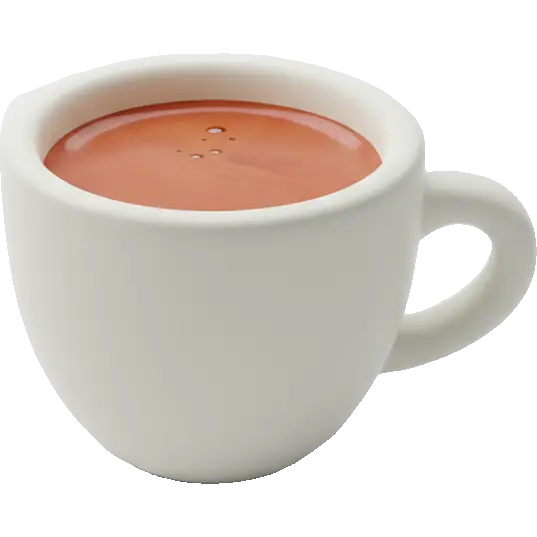
espresso
Beverages
Is espresso mediterranean-compatible?
See whether espresso fits a mediterranean diet, with a clear compatible-or-avoid verdict plus its FODMAP, histamine and other trigger ratings in one place.
Related checkers
Compare espresso across criteria
Sensitivity notes
Why mediterranean diet checker matters
The Mediterranean diet is based on traditional foods from countries bordering the Mediterranean Sea. It emphasizes olive oil, fish, vegetables, whole grains, and moderate wine consumption while limiting red meat and processed foods.
- Make olive oil your primary fat source
- Eat fish at least twice per week
- Enjoy meals with family and friends - it's part of the lifestyle
- Red wine in moderation (optional) with meals
- Limit red meat to a few times per month
Sensitivities
What espresso contains
FODMAPs
Histamine & Amines
Plant compounds
Irritants
Additives
Allergens
Diet fit
Where espresso fits
Therapeutic diets
Lifestyle diets
Religious diets
What to know about espresso
Espresso is the most concentrated way to drink caffeine: around 2 mg per ml, roughly five times the caffeine density of drip coffee, packed into a 30 ml shot. A single shot runs about 60 to 80 mg and hits fast, which is why espresso and doppio-based drinks can trigger jitters, a racing heart, reflux or poor sleep even though the cup looks tiny. Coffee is also a mild histamine liberator, so a strong espresso can add to a histamine load.
Watch for
- Very concentrated caffeine, about 2 mg per ml, so a small shot delivers a fast 60 to 80 mg hit
- Caffeine can set off palpitations, anxiety, reflux and disrupted sleep, and the speed of a shot makes the spike sharper
- A mild histamine liberator, so espresso can nudge symptoms in people managing histamine intolerance


Explore related in Beverages
Compare similar foods to build a personalized list of swaps that work for your system.


Mediterranean Guide
Everything you need to know about mediterranean compatibility and smart food choices.
The Mediterranean diet is based on traditional foods from countries bordering the Mediterranean Sea. It emphasizes olive oil, fish, vegetables, whole grains, and moderate wine consumption while limiting red meat and processed foods.
These foods are typically compatible with a Mediterranean approach:
View all safe options






Practical guidance for following a Mediterranean diet:
- 1Make olive oil your primary fat source
- 2Eat fish at least twice per week
- 3Enjoy meals with family and friends - it's part of the lifestyle
- 4Red wine in moderation (optional) with meals
- 5Limit red meat to a few times per month
Pro tip: Keep a food diary to track your reactions. The Triggerbites app makes this easy with automatic pattern detection.
Want personalized tracking?
Download Triggerbites to log meals, track symptoms, and discover your unique triggers.
Get the AppFAQ
Does espresso fit a mediterranean diet?
Mediterranean: mixed fit - check ingredients.
What if I eat it occasionally?
Keep portions small and verify ingredients.
What are safer swaps?
Compare within the Beverages group.