 Back to Mediterranean diet checker
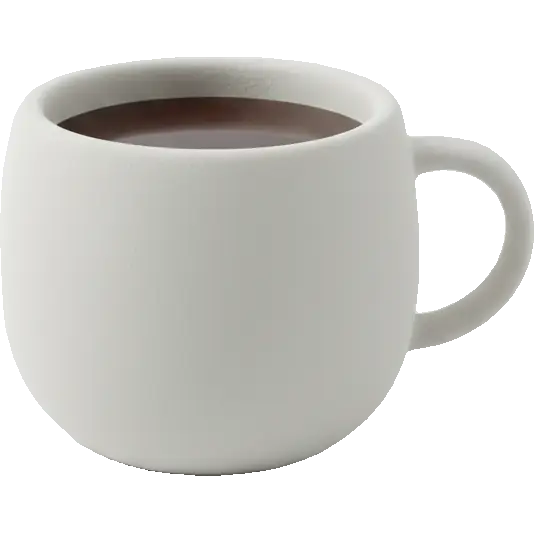
coffee
Beverages
Is coffee mediterranean-compatible?

See whether coffee fits a mediterranean diet, with a clear compatible-or-avoid verdict plus its FODMAP, histamine and other trigger ratings in one place.

Related checkers
Compare coffee across criteria

Sensitivity notes
Why mediterranean diet checker matters
The Mediterranean diet is based on traditional foods from countries bordering the Mediterranean Sea. It emphasizes olive oil, fish, vegetables, whole grains, and moderate wine consumption while limiting red meat and processed foods.
- Make olive oil your primary fat source
- Eat fish at least twice per week
- Enjoy meals with family and friends - it's part of the lifestyle
- Red wine in moderation (optional) with meals
- Limit red meat to a few times per month

Sensitivities
What coffee contains
FODMAPs







Histamine & Amines



Plant compounds




Irritants




Additives



Allergens
















Diet fit
Where coffee fits
Therapeutic diets










Lifestyle diets









Religious diets






What to know about coffee
Most people assume a bad reaction to coffee is the caffeine, and often it is: brewed coffee grades at the top of the caffeine scale, around 95 mg in a standard cup, which is enough to drive jitters, palpitations, anxiety and broken sleep in sensitive drinkers. But coffee does two other things that have nothing to do with caffeine. It sets the colon moving within minutes, which is the actual reason coffee sends people to the bathroom, and decaf does the same thing more gently. It also prompts the stomach to produce more acid while relaxing the valve at the top of the stomach, which is why it aggravates heartburn and reflux whether or not the caffeine is still in it. The brew itself is otherwise clean, with no gluten, lactose, FODMAPs or salicylates, so what you pour into the cup is a separate question worth logging separately.
Watch for
- Graded high in caffeine.A standard brewed cup runs about 95 mg, espresso is more concentrated by volume, and decaf is far lower. Caffeine has a half-life of roughly five hours, so a mid-afternoon cup is still measurable at bedtime.
- Coffee stimulates colonic activity within minutes of the first sips, and decaffeinated coffee produces a weaker version of the same effect, so switching to decaf often fails to fix urgency or loose stools
- It raises stomach acid output and loosens the lower esophageal sphincter, a reflux mechanism entirely separate from the caffeine that survives decaffeination
- The brew is clean but the additions rarely are: milk brings lactose and dairy protein, oat milk is high FODMAP, and flavoured syrups and creamers add sugar alcohols, inulin and gums
- Caffeine clearance varies widely between people, so a shared rule like two cups a day means little.Your own cutoff hour matters more than the count.

Explore related in Beverages
Compare similar foods to build a personalized list of swaps that work for your system.

Mediterranean Guide
Everything you need to know about mediterranean compatibility and smart food choices.
The Mediterranean diet is based on traditional foods from countries bordering the Mediterranean Sea. It emphasizes olive oil, fish, vegetables, whole grains, and moderate wine consumption while limiting red meat and processed foods.
These foods are typically compatible with a Mediterranean approach:
View all safe options







Practical guidance for following a Mediterranean diet:
- 1Make olive oil your primary fat source
- 2Eat fish at least twice per week
- 3Enjoy meals with family and friends - it's part of the lifestyle
- 4Red wine in moderation (optional) with meals
- 5Limit red meat to a few times per month
Pro tip: Keep a food diary to track your reactions. The Triggerbites app makes this easy with automatic pattern detection.
Want personalized tracking?
Download Triggerbites to log meals, track symptoms, and discover your unique triggers.
Get the AppFAQ
Does coffee fit a mediterranean diet?
Mediterranean: mixed fit - check ingredients.
What if I eat it occasionally?
Keep portions small and verify ingredients.
What are safer swaps?
Compare within the Beverages group.