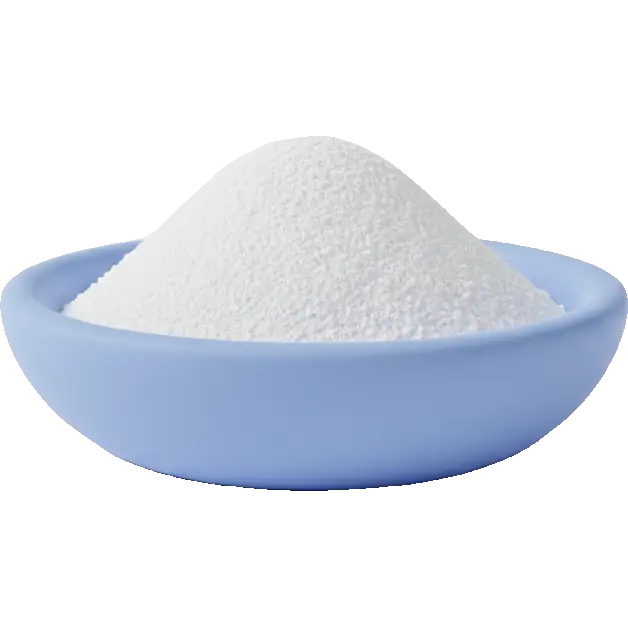
sodium citrate
Additives & Leavening
Is sodium citrate halal-compatible?
See whether sodium citrate fits a halal diet, with a clear compatible-or-avoid verdict plus its FODMAP, histamine and other trigger ratings in one place.
Related checkers
Compare sodium citrate across criteria
Sensitivity notes
Why halal diet checker matters
Halal affects how your body responds to certain foods. Understanding your personal tolerance helps you make informed choices.
- Keep a detailed food and symptom diary to track your personal reactions
- Eliminate the suspected trigger completely for 2-4 weeks
- Reintroduce gradually to find your personal tolerance threshold
- Work with a healthcare provider or registered dietitian for guidance
- Remember that food sensitivities can change over time
Sensitivities
What sodium citrate contains
FODMAPs
Histamine & Amines
Plant compounds
Irritants
Additives
Allergens
Diet fit
Where sodium citrate fits
Therapeutic diets
Lifestyle diets
Religious diets
What to know about sodium citrate
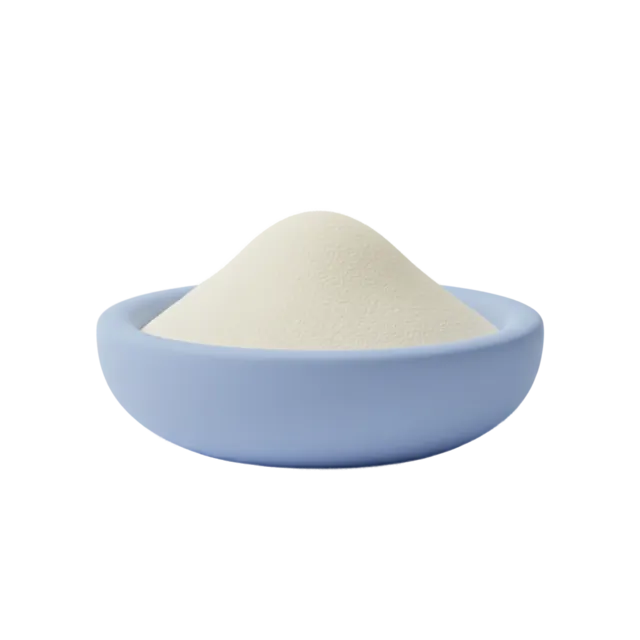
Sodium citrate (E331) does two jobs: it buffers acidity in soft drinks, electrolyte powders and jams, and it is the emulsifying salt that makes processed cheese slices and cheese sauce melt smooth instead of splitting. Despite the name it has nothing to do with citrus fruit protein or citrus peel salicylates, so a citrus reaction does not predict a citrate reaction. Where it earns a place in a trigger journal is as a marker: the foods that need an emulsifying salt are usually the same processed cheese and soft drinks that carry the triggers people actually react to.
Watch for
- In processed cheese and cheese sauce the citrate is the least likely culprit in the tub.Lactose, casein and the histamine of an aged cheese base all sit in the same product and all have far stronger evidence behind them
- Manufactured citric acid and its citrate salts are fermented on Aspergillus niger rather than squeezed from lemons.A 2018 report described four people with inflammatory symptoms they attributed to the manufactured version, which is a hypothesis worth knowing about and nowhere near enough to call it a common trigger
- It is a sodium salt, so it quietly adds to the sodium in packaged food.That is the reason it is only borderline on DASH rather than clean
- Not a flavour enhancer.Sodium citrate is regularly mistaken for monosodium glutamate because of the name, but it carries no added free glutamate and no umami effect

Explore related in Additives & Leavening
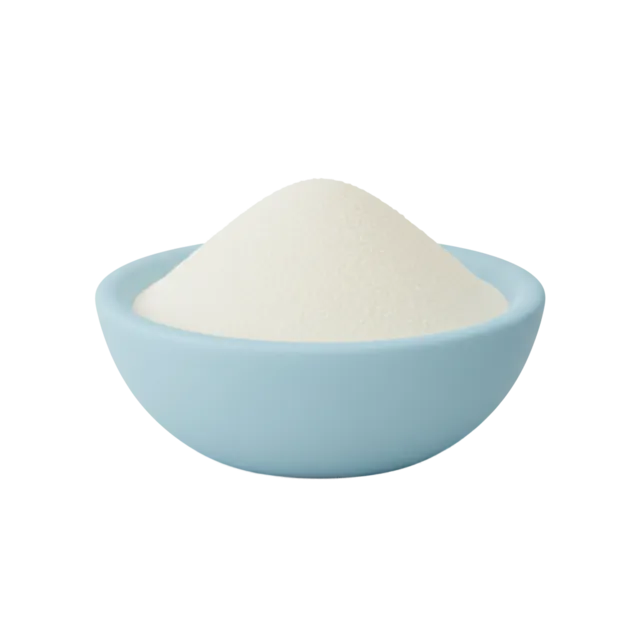
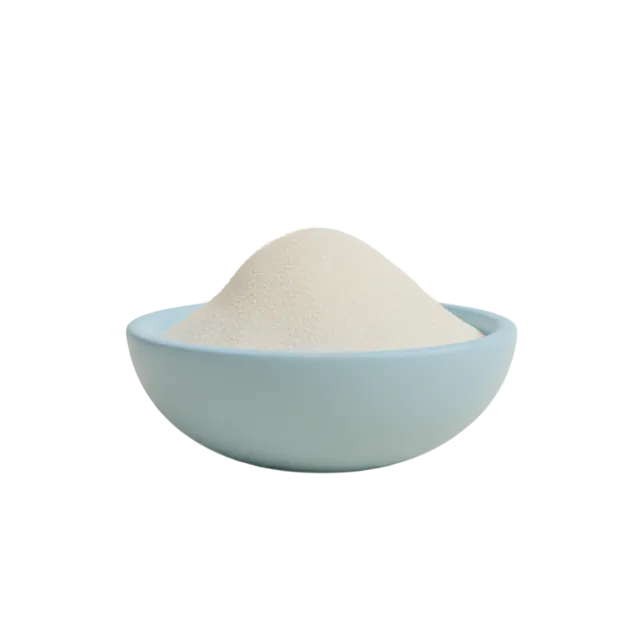
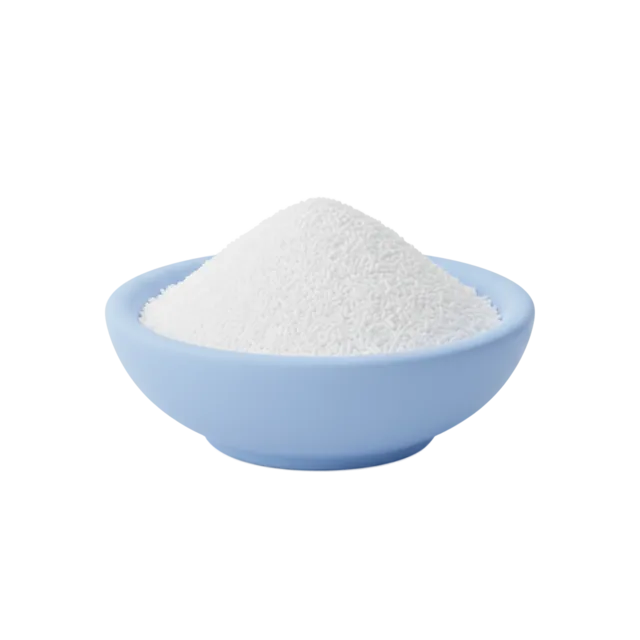
Compare similar foods to build a personalized list of swaps that work for your system.

Halal Guide
Everything you need to know about halal compatibility and smart food choices.
Halal affects how your body responds to certain foods. Understanding your personal tolerance helps you make informed choices.
These foods are typically compatible with a Halal approach:
View all safe options







Practical guidance for following a Halal diet:
- 1Keep a detailed food and symptom diary to track your personal reactions
- 2Eliminate the suspected trigger completely for 2-4 weeks
- 3Reintroduce gradually to find your personal tolerance threshold
- 4Work with a healthcare provider or registered dietitian for guidance
- 5Remember that food sensitivities can change over time
Pro tip: Keep a food diary to track your reactions. The Triggerbites app makes this easy with automatic pattern detection.
Want personalized tracking?
Download Triggerbites to log meals, track symptoms, and discover your unique triggers.
Get the AppFAQ
Does sodium citrate fit a halal diet?
Halal: fits well for most plans.
What if I eat it occasionally?
Still check preparation and add-ins.
What are safer swaps?
Compare within the Additives & Leavening group.