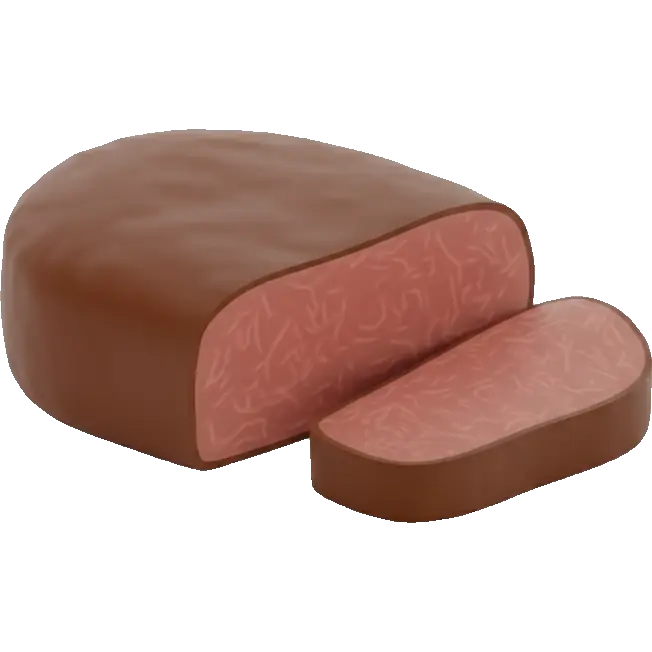
moose
Meat
Is moose high in caffeine?
Is moose high or low in caffeine? See its exact rating, how much counts as a portion, and its FODMAP, salicylate, oxalate and diet compatibility in one place.
Related checkers
Compare moose across criteria
Sensitivity notes
Why caffeine food checker matters
Caffeine is a natural stimulant found in coffee, tea, chocolate, and many soft drinks. While safe for most people, those with caffeine sensitivity may experience anxiety, rapid heartbeat, digestive issues, or sleep disturbances even from small amounts.
- Gradually reduce caffeine to avoid withdrawal headaches
- Switch to decaf versions of your favorite drinks
- Be aware of hidden caffeine in chocolate and some medications
- Try herbal alternatives like rooibos or peppermint tea
- Caffeine sensitivity can change with age and stress levels
Sensitivities
What moose contains
FODMAPs
Histamine & Amines
Plant compounds
Irritants
Additives
Allergens
Diet fit
Where moose fits
Therapeutic diets
Lifestyle diets
Religious diets
What to know about moose
Moose is the only large game animal in this database graded moderate for histamine and mild for tyramine, and the reason is logistics rather than biology. A bull moose dresses out at several hundred kilos, which means a carcass that cannot be cooled quickly in the field, days of hanging before butchering, and a chest freezer emptied in thawed batches across a winter. Every one of those steps is where bacteria turn histidine into histamine. Outside the amine column the chart is clean: no gluten, no lactose, no FODMAPs, no salicylate, oxalate, nickel, sulfite, nitrite or free glutamate. The two other things people search for on moose are both real, and neither is in the muscle: cadmium in the liver, and lead fragments in the mince.
Watch for
- Moderate histamine and mild tyramine describe handling, not the species.The single biggest variable is how fast the carcass came down in temperature. A moose quartered onto ice within hours behaves nothing like one packed out over a warm day and hung for a week.
- Moose liver and kidney are the parts Nordic food authorities advise against eating.Cadmium accumulates in cervid offal over the animal life span, so older moose carry the most, and the advice tightens further for children and in pregnancy. It applies to the offal specifically, not to the muscle meat.
- Lead from rifle ammunition fragments on impact and scatters well beyond the wound channel.Mince is the worst case, because a single fragmented shoulder gets distributed through an entire batch of moose burger. Copper or other non-lead bullets remove the issue entirely.
- Moose is a cervid, so chronic wasting disease surveillance covers it.It has been confirmed in moose in Norway, Sweden and Finland as well as in North America, and the prion is unaffected by cooking or freezing.
- Almost no moose is eaten as plain meat.It gets ground with pork fat to make it workable, or braised for hours with onion, juniper and red wine, and those additions carry far more trigger load than the moose does.
- Alpha-gal syndrome includes moose as it includes all mammalian meat.

Explore related in Meat
Compare similar foods to build a personalized list of swaps that work for your system.
Caffeine Guide
Everything you need to know about caffeine sensitivity and smart food choices.
Caffeine is a natural stimulant found in coffee, tea, chocolate, and many soft drinks. While safe for most people, those with caffeine sensitivity may experience anxiety, rapid heartbeat, digestive issues, or sleep disturbances even from small amounts.
Sensitivity varies widely. What triggers one person may be fine for another. Track your reactions to find your personal threshold.








These foods have moderate levels and may be tolerated in small amounts:







These foods are high in caffeine and may trigger symptoms:






If you're sensitive to Caffeine, consider these strategies:
- 1Gradually reduce caffeine to avoid withdrawal headaches
- 2Switch to decaf versions of your favorite drinks
- 3Be aware of hidden caffeine in chocolate and some medications
- 4Try herbal alternatives like rooibos or peppermint tea
- 5Caffeine sensitivity can change with age and stress levels
Pro tip: Keep a food diary to track your reactions. The Triggerbites app makes this easy with automatic pattern detection.
Want personalized tracking?
Download Triggerbites to log meals, track symptoms, and discover your unique triggers.
Get the AppFAQ
Is moose high in Caffeine?
Caffeine: low signal for most people.
Can I still eat moose if I'm sensitive to Caffeine?
Usually fine in normal portions.
What else should I check?
Check Alpha-gal, Vegan, and Vegetarian next for a fuller picture.