
cognac
Beverages
Is cognac high in caffeine?
Is cognac high or low in caffeine? See its exact rating, how much counts as a portion, and its FODMAP, salicylate, oxalate and diet compatibility in one place.
Related checkers
Compare cognac across criteria
Sensitivity notes
Why caffeine food checker matters
Caffeine is a natural stimulant found in coffee, tea, chocolate, and many soft drinks. While safe for most people, those with caffeine sensitivity may experience anxiety, rapid heartbeat, digestive issues, or sleep disturbances even from small amounts.
- Gradually reduce caffeine to avoid withdrawal headaches
- Switch to decaf versions of your favorite drinks
- Be aware of hidden caffeine in chocolate and some medications
- Try herbal alternatives like rooibos or peppermint tea
- Caffeine sensitivity can change with age and stress levels
Sensitivities
What cognac contains
FODMAPs
Histamine & Amines
Plant compounds
Irritants
Additives
Allergens
Diet fit
Where cognac fits
Therapeutic diets
Lifestyle diets
Religious diets
What to know about cognac
Cognac is grape brandy from a protected appellation around the town of Cognac in the Charente, made almost entirely from Ugni Blanc wine, distilled twice in copper pot stills and then left in French oak for years. Each of those steps shows up in the grading. Double distillation strips the fermentable sugars and leaves nothing gluten-derived behind, and the base was wine to begin with, so cognac grades A on FODMAPs, gluten, lactose, salicylates, oxalates and nickel. What carries through is the amine side: histamine C, histamine liberation C and tyramine C, all moderate rather than high, plus B for sulfites inherited from the sulfited wine base. The age classes tell you how long it sat in barrel, VS at two years minimum, VSOP at four and XO at ten, and more oak time means more congeners in the glass. That is the usual explanation for why a good XO leaves some people with a headache out of proportion to the amount they drank.
Watch for
- Histamine C, histamine liberation C and tyramine C all at once.Each is moderate alone, but they stack, and ethanol itself blocks diamine oxidase, the enzyme that clears dietary histamine. That combination is why a single measure can hit harder than any one grade suggests
- Sulfites B, carried over from the wine that was distilled.Well below wine level, but not zero, and worth knowing if sulfites are the thing you already react to
- Congener-heavy by design.Long oak ageing loads a spirit with fermentation and barrel byproducts, and congener content tracks with hangover severity, which is why dark aged spirits generally treat sensitive drinkers worse than clear ones
- Graded C on SIBO fermentability despite carrying no sugars.Alcohol slows gut motility and irritates the mucosa on its own terms, so a spirit being carb-free does not make it gut-neutral
- Cocktails change the answer entirely.A sidecar adds lemon, which is graded a strong histamine liberator, and sweetened liqueurs add their own load. The mixer is often the bigger trigger than the cognac


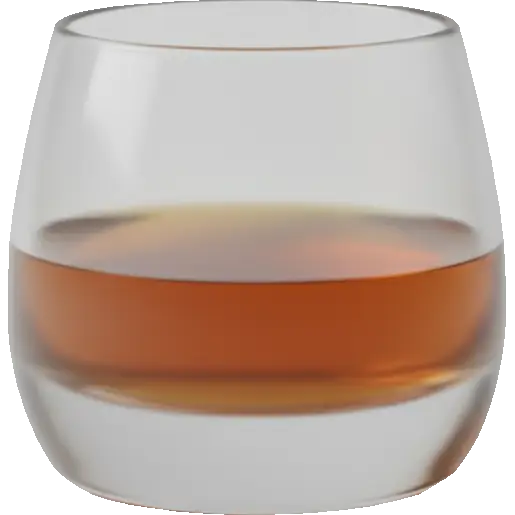


Explore related in Beverages
Compare similar foods to build a personalized list of swaps that work for your system.



Caffeine Guide
Everything you need to know about caffeine sensitivity and smart food choices.
Caffeine is a natural stimulant found in coffee, tea, chocolate, and many soft drinks. While safe for most people, those with caffeine sensitivity may experience anxiety, rapid heartbeat, digestive issues, or sleep disturbances even from small amounts.
Sensitivity varies widely. What triggers one person may be fine for another. Track your reactions to find your personal threshold.







These foods have moderate levels and may be tolerated in small amounts:






These foods are high in caffeine and may trigger symptoms:




If you're sensitive to Caffeine, consider these strategies:
- 1Gradually reduce caffeine to avoid withdrawal headaches
- 2Switch to decaf versions of your favorite drinks
- 3Be aware of hidden caffeine in chocolate and some medications
- 4Try herbal alternatives like rooibos or peppermint tea
- 5Caffeine sensitivity can change with age and stress levels
Pro tip: Keep a food diary to track your reactions. The Triggerbites app makes this easy with automatic pattern detection.
Want personalized tracking?
Download Triggerbites to log meals, track symptoms, and discover your unique triggers.
Get the AppFAQ
Is cognac high in Caffeine?
Caffeine: low signal for most people.
Can I still eat cognac if I'm sensitive to Caffeine?
Usually fine in normal portions.
What else should I check?
Check Alcohol, AIP, and Reflux Diet next for a fuller picture.