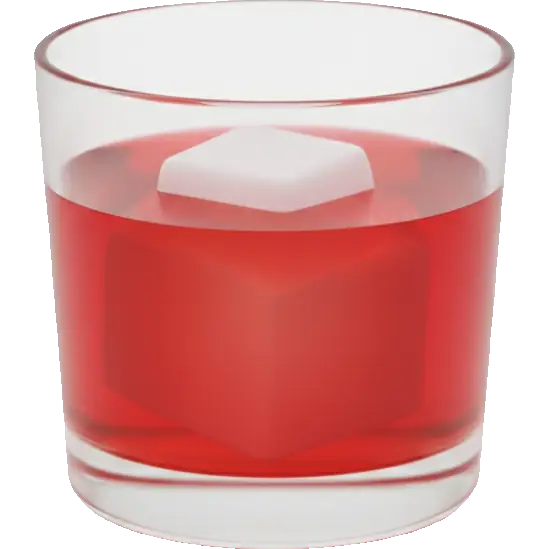
campari
Beverages
Is campari high in caffeine?
Is campari high or low in caffeine? See its exact rating, how much counts as a portion, and its FODMAP, salicylate, oxalate and diet compatibility in one place.
Related checkers
Compare campari across criteria
Sensitivity notes
Why caffeine food checker matters
Caffeine is a natural stimulant found in coffee, tea, chocolate, and many soft drinks. While safe for most people, those with caffeine sensitivity may experience anxiety, rapid heartbeat, digestive issues, or sleep disturbances even from small amounts.
- Gradually reduce caffeine to avoid withdrawal headaches
- Switch to decaf versions of your favorite drinks
- Be aware of hidden caffeine in chocolate and some medications
- Try herbal alternatives like rooibos or peppermint tea
- Caffeine sensitivity can change with age and stress levels
Sensitivities
What campari contains
FODMAPs
Histamine & Amines
Plant compounds
Irritants
Additives
Allergens
Diet fit
Where campari fits
Therapeutic diets
Lifestyle diets
Religious diets
What to know about campari
Campari is the Milanese red bitter at the centre of the Negroni and the Americano, and it is a genuinely unusual entry on a trigger list because almost everything is graded clean. It comes in at the safe end for gluten, FODMAPs, fructose, tyramine, salicylates, oxalates, nickel and free glutamate, which is a rare sweep for an alcoholic drink and reflects the fact that it is an infusion of herbs and fruit rather than a sugary fortified wine. The two grades that are high are histamine and histamine liberation, and both come from the alcohol itself: ethanol releases stored histamine and inhibits the enzyme that clears it, which is why a Negroni can produce flushing and a thumping head out of proportion to its size. The other thing worth knowing about Campari is the colour. Its signature red came from carmine, the dye extracted from cochineal insects, until the company discontinued it in 2006 and moved to synthetic colourants in its main markets. That history is the reason its vegan and vegetarian status is still recorded as unrated here rather than as compliant, and the reason people with a documented carmine allergy still ask about it.
Watch for
- Graded high for both histamine and histamine liberation.The alcohol is doing the work in both directions, releasing your own histamine and slowing the enzyme that clears it
- Vegan and vegetarian status is recorded as unrated.Carmine, a red dye made from cochineal insects, was used until 2006 and was replaced with synthetic colouring in most markets, but the recipe is not published and some regional stock has been reported as still carrying it
- Sulfite content is unrated rather than graded clean.Campari is spirit based rather than wine based, so it does not carry a wine sulfite load by construction, but this is not a confirmed low sulfite grade
- Clean on FODMAPs, gluten, tyramine and salicylates, which is unusual for a bitter and makes it a much simpler drink than a sweet vermouth or a fortified wine
- Rated poor for SIBO and for DASH, the ordinary consequences of being an alcoholic drink with sugar in it

Explore related in Beverages
Compare similar foods to build a personalized list of swaps that work for your system.



Caffeine Guide
Everything you need to know about caffeine sensitivity and smart food choices.
Caffeine is a natural stimulant found in coffee, tea, chocolate, and many soft drinks. While safe for most people, those with caffeine sensitivity may experience anxiety, rapid heartbeat, digestive issues, or sleep disturbances even from small amounts.
Sensitivity varies widely. What triggers one person may be fine for another. Track your reactions to find your personal threshold.







These foods have moderate levels and may be tolerated in small amounts:




These foods are high in caffeine and may trigger symptoms:


If you're sensitive to Caffeine, consider these strategies:
- 1Gradually reduce caffeine to avoid withdrawal headaches
- 2Switch to decaf versions of your favorite drinks
- 3Be aware of hidden caffeine in chocolate and some medications
- 4Try herbal alternatives like rooibos or peppermint tea
- 5Caffeine sensitivity can change with age and stress levels
Pro tip: Keep a food diary to track your reactions. The Triggerbites app makes this easy with automatic pattern detection.
Want personalized tracking?
Download Triggerbites to log meals, track symptoms, and discover your unique triggers.
Get the AppFAQ
Is campari high in Caffeine?
Caffeine: low signal for most people.
Can I still eat campari if I'm sensitive to Caffeine?
Usually fine in normal portions.
What else should I check?
Check Alcohol, AIP, and Reflux Diet next for a fuller picture.